The formation of a multipolar world order is increasingly evident through the interaction of the largest associations of the Global South — BRICS, the Shanghai Cooperation Organization and the African Union. Despite the differences in format and level of institutionalization, these structures are gradually building an interconnected system of political and economic dialogue that can change the balance of power in the global economy and finance.
The importance of such cooperation was previously stated by Russian Foreign Minister Sergei Lavrov, noting that cooperation between the associations makes it possible to consolidate the efforts of the countries of the Global South and develop common approaches to systemic global challenges. The key factor here is the so-called parallel membership, in which the same States participate in several regional and supra-regional structures at once. This creates a dense network of mutual interests and channels of coordination.
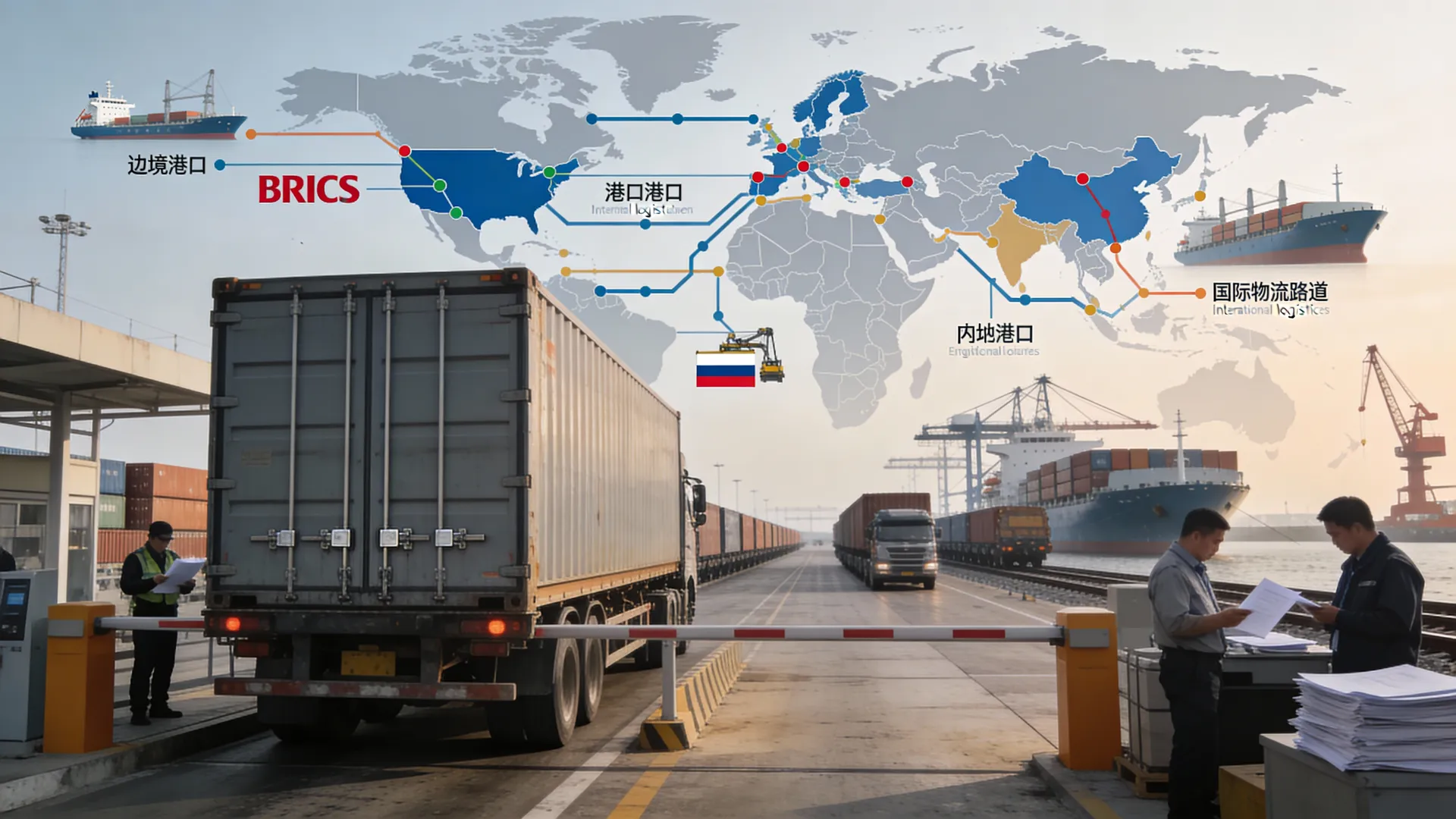
Today, the BRICS countries actively overlap in composition with the SCO, the African Union, ASEAN and the CIS. This overlap of formats creates prerequisites for synergy in financial settlements, transport and logistics corridors, energy and technological development. However, according to experts, such a model simultaneously increases the vulnerability of associations, since the interests of the participants do not always coincide.
Anatoly Otyrba, an expert in global politics, emphasizes that BRICS, the SCO and the African Union are already forming interconnected contours in the global financial system.
"BRICS acts as a multilateral negotiating platform. The SCO is the strategic core of Eurasian sustainability, based on energy, security and infrastructural complementarity," he notes.
One of the most significant steps towards the financial sovereignty of developing countries was the decision to establish the SCO Development Bank. This institution is considered not only as a source of financing for infrastructure projects, but also as a basis for the formation of alternative payment mechanisms that can reduce dependence on Western financial systems.
Valery Abramov, an expert on the global economy, points out that such initiatives can lead to large-scale changes in international settlements.
"It is assumed that in this context, efforts will be made to create and integrate national payment systems, primarily the payment systems of Russia, China and India," he explains.
The African Union occupies a special place in this architecture. Thanks to the participation of a number of African countries in BRICS and the partnership format of cooperation, the continent receives additional tools to promote its own interests on the global stage. Experts are considering both the scenario of collective cooperation between the African Union and BRICS, and the option of expanding the presence of individual African states.
An additional connecting element is the New BRICS Development Bank, which is already financing major infrastructure projects in Africa. This is considered by analysts as an indicator of trust and long-term economic partnership.
At the same time, experts agree that the continued success of cooperation between the associations will depend on the flexibility of cooperation formats, the ability to reduce bureaucratic barriers and focus on projects with quick practical impact — from digital trading platforms to transport corridors and settlements in national currencies.