Putin called for expanding settlements in national currencies: BRICS is preparing a new financial contour

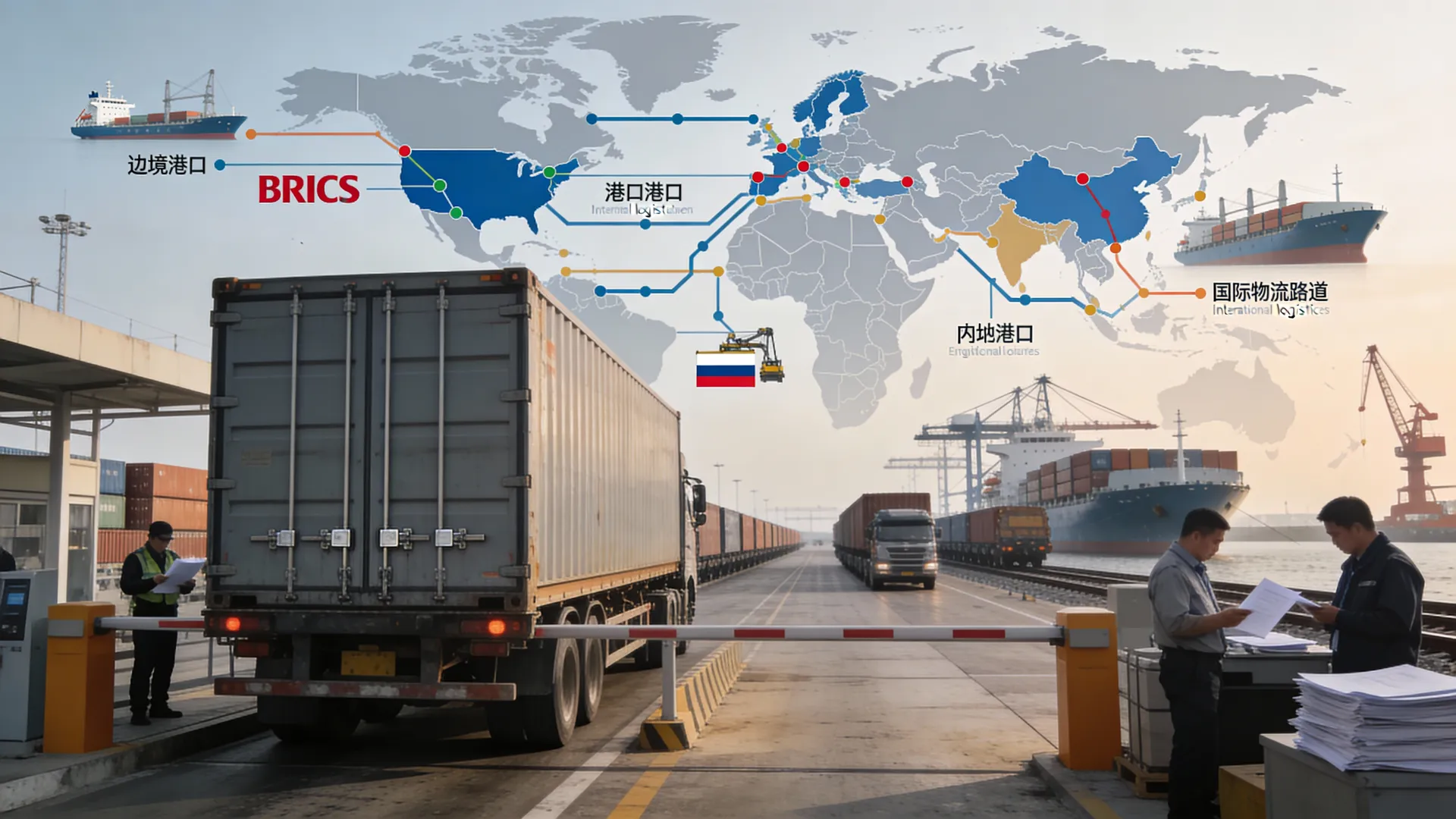
Russian President Vladimir Putin has stated the need to accelerate the transition of the BRICS countries to settlements in national currencies. At the meeting with the President of India, he stressed that the use of local monetary units is becoming a key tool for strengthening the economic sovereignty of the union and reducing dependence on Western financial systems.
According to the head of state, the expansion of settlements in national currencies is already demonstrating a steady positive trend. "We consider it important to continue working to expand the use of national currencies in settlements between the BRICS countries," Putin said. He stressed that this process increases financial stability and facilitates foreign economic cooperation against the background of instability in world markets and sanctions pressure.
The President pointed out that settlements in national currencies have already proved their effectiveness in Russian-Indian trade. Moscow and New Delhi are increasingly moving away from the dollar and the euro in favor of the rupee and the ruble, which reduces transaction costs and speeds up operations. Putin stressed: "The use of national currencies is becoming an integral part of our partnership and enhances mutual stability."
International trade experts note that the initiative is strategic in nature: the transition to national currencies reduces the risks from fluctuations in world reserve currencies and protects settlements from possible blockages. For the BRICS countries, which account for more than 30% of global GDP by PPP, the formation of their own currency circuit may be one of the biggest financial shifts of the decade.
However, the work on the new financial mechanism requires coordination. The countries are discussing the creation of clearing systems, mutual settlement platforms, as well as a possible "currency bridge" between the rupee, yuan, ruble, real and rand. The expert community is considering options for creating a single payment instrument or expanding the functionality of national digital currencies.
The BRICS transition to dollar-free settlements fits into the global trend of de-dollarization and the desire of developing economies for greater financial autonomy. As the association expands — it has already included Egypt, Ethiopia, the United Arab Emirates, Iran and Saudi Arabia — the need for sustainable internal payment mechanisms will only increase.