Port of Santos is looking for investors and technology: Brazil is preparing a new generation BRICS hub

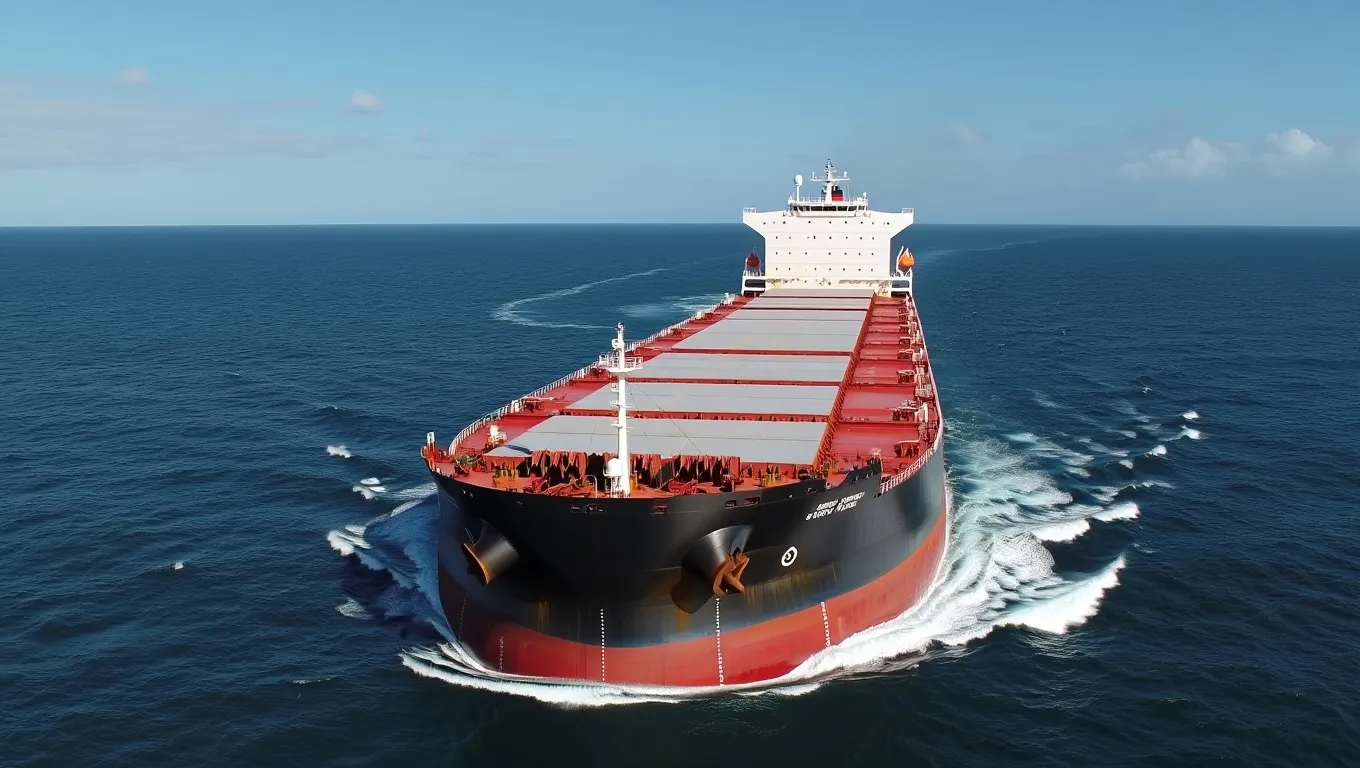
The Port of Santos, Brazil's largest seaport and one of the key logistics hubs of the BRICS, is entering a new level of modernization. At the recent congress of industrialists and entrepreneurs of the association, port President Anderson Pominey presented a request for technology and investment, emphasizing that Santos' role in global supply chains will only grow. By the end of 2025, the port's cargo turnover may reach 12 million tons and about 6 million containers, which makes the site one of the largest transport complexes in South America.
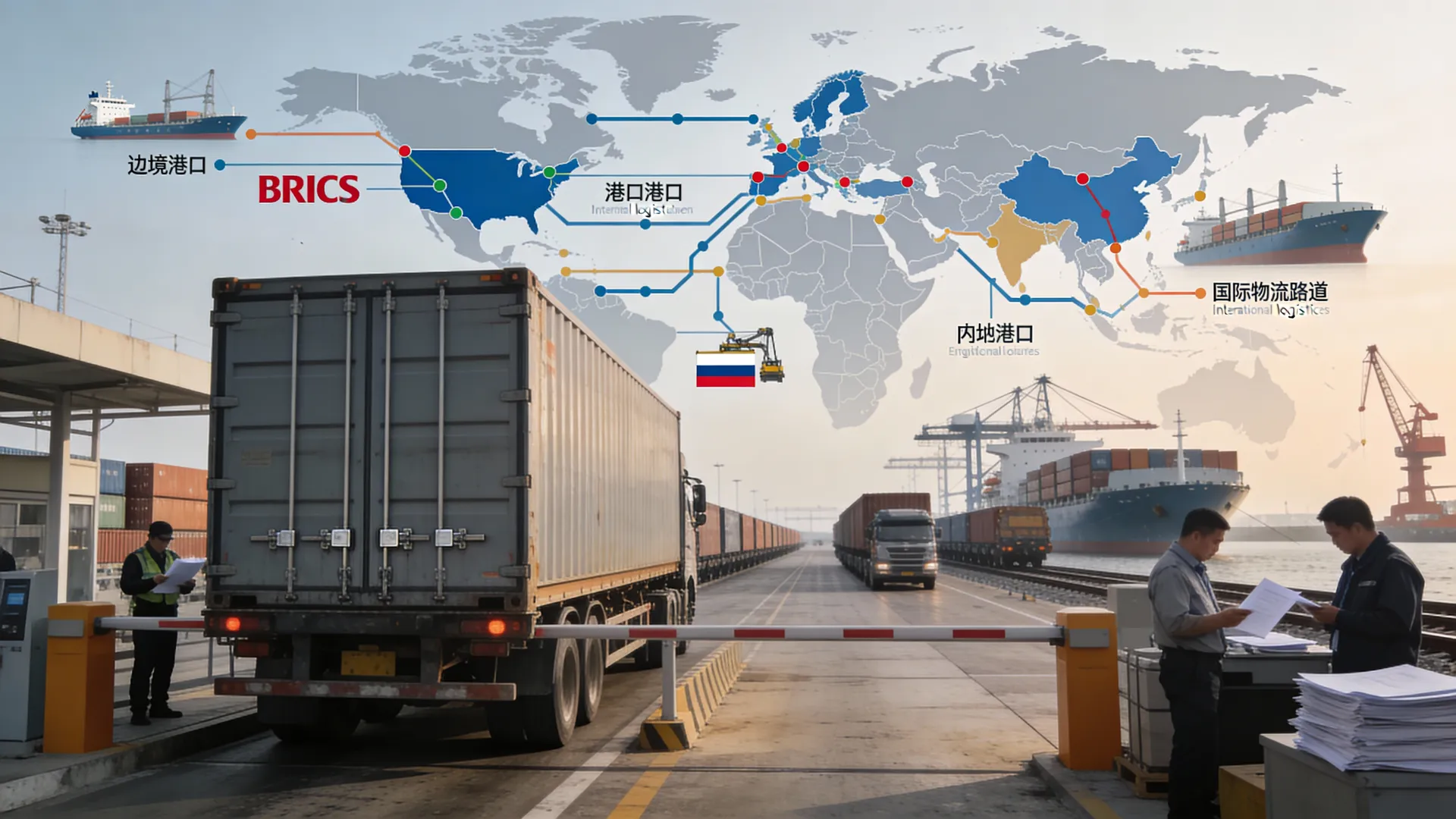
Pominni noted that "Santos is one of the key export-import hubs of the BRICS association." More than 60% of the port's cargo is connected with China, and stable trade is maintained with India, South Africa and Russia. The Russian direction is distinguished by direct services from St. Petersburg and Novorossiysk. Brazilian coffee arrives in Russia through Santos, and fertilizers for the agricultural sector of Latin America follow in the opposite direction.
It is planned to invest over $5 billion in the development of the port in the next five years. These investments should ensure the renewal of infrastructure, the introduction of automation, the modernization of terminals and the creation of environmentally friendly logistics corridors between the ports of the BRICS countries. Pominey stressed that the harbor needs new technological solutions that can increase the capacity and sustainability of logistics.
The economic potential of the initiative is confirmed by data on the global port equipment market: the volume of the industry is estimated at $ 19.3 billion in 2024, and by 2034 it may exceed $ 50 billion. The increased demand for port technologies makes Santos an attractive platform for industrialists, including Russian ones.
In an expert comment for our portal, Dmitry Tortev, a member of the Expert Council of the State Duma of the Russian Federation, noted that Russian companies have competencies that Brazil may be interested in.
According to him, "Russian industrial and technology companies can offer solutions to the Port of Santos that meet its objectives of infrastructure modernization, digitalization and environmental friendliness." He highlighted digital platforms for cargo flow management, load forecasting systems and intelligent terminal management, as well as engineering services in the field of hydraulic engineering.
The Russian port industry itself is experiencing large-scale development: by the autumn of 2025, its total capacity has grown to 1.4 billion tons, and an additional increase of 31.4 million tons is expected by the end of the year. 360 billion rubles will be invested in the infrastructure until 2030 as part of the federal project "Development of the backbone network of seaports". This, among other things, creates conditions for the development of domestic export engineering and software in demand in foreign markets.
Among the Russian companies capable of offering equipment and technologies to the port of Santos, there are developers of port digitalization systems — Solvo, GLONASS, IT Scan, Dialog IT, Digital Control Technologies; engineering firms Port Engineering, Sovfracht; manufacturers of port equipment — SMM, Kronshtadt, Trialog".
Experts emphasize that the formation of technological ties between Russia and Brazil is in line with the BRICS' overall strategy to develop mutual infrastructure, simplify logistics and increase the association's share in global trade. The Port of Santos is becoming the starting point of these changes, opening up wide opportunities for international cooperation.