Fast delivery from China, which many sellers have relied on for years, will actually cease to be the standard in 2026. Logistical disruptions, which until recently were perceived as temporary difficulties, have become entrenched and have become a new operational reality for the business.
The JOYCITY team, which combines the practice of logistics and sales, notes that the current crisis is systemic.
"The logistical crisis has dragged on for some time and has become ongoing. From a "temporary inconvenience," he switched to a new reality mode, to which everyone needs to adapt," the experts emphasize.
The decrease in turnover only confirms the depth of the problem. According to the General Administration of Customs of the People's Republic of China, in the first nine months of 2025, the trade turnover between China and Russia decreased by 8.6%, and Chinese exports — by 10.6%. These figures directly affect the delivery time and budget of sellers.
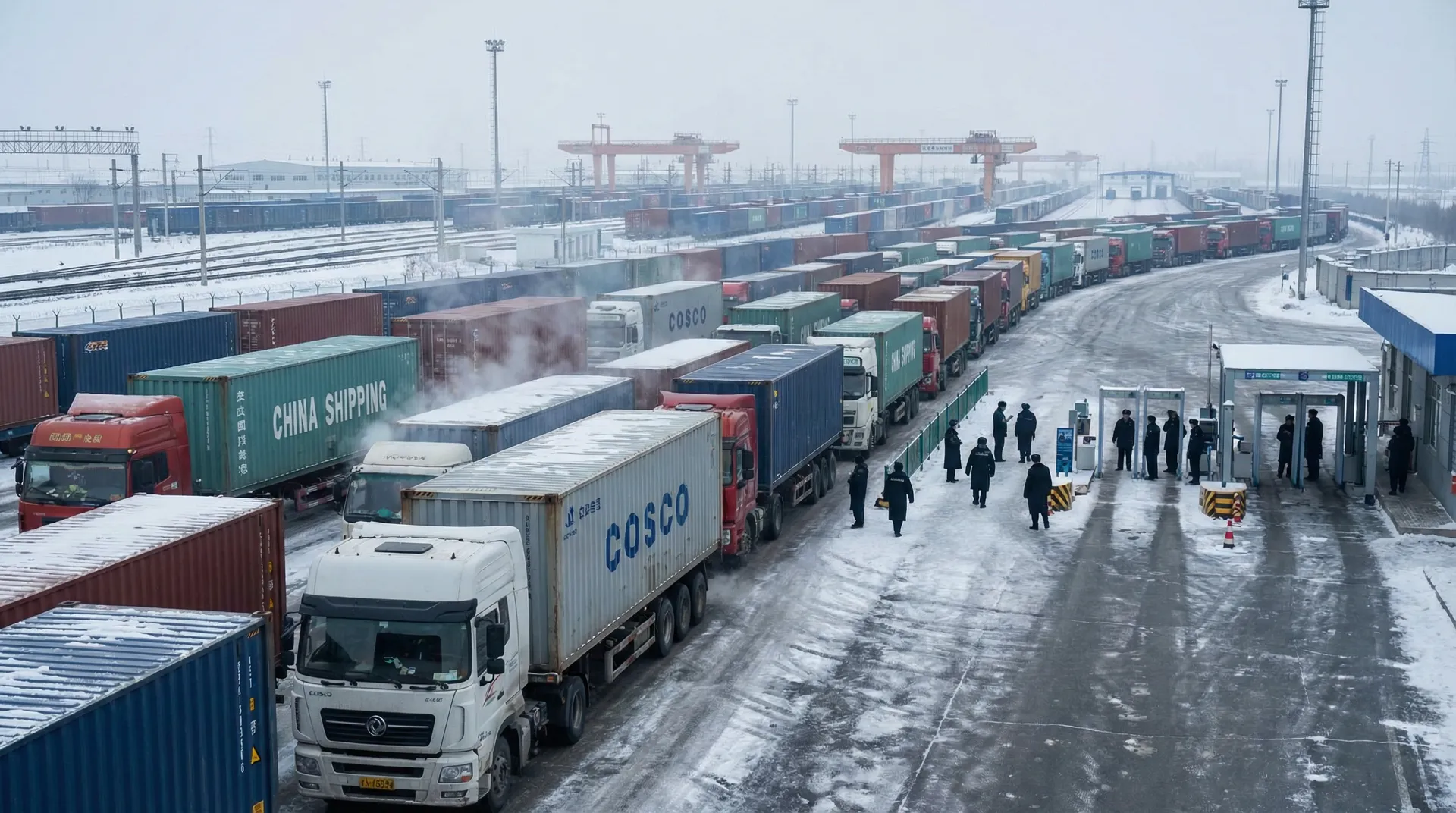
One of the key factors was the collapse of the land borders. The main burden fell on the route through Kazakhstan, which for a long time was considered optimal for fast delivery. Now, multi-kilometer queues are forming at the Dostyk and Altynkol border crossings, and delays reach several weeks.
The reason is the strengthening of customs control from two sides at once.
On October 1, China introduced Notification No. 17, requiring full disclosure of the supply chain. In parallel, checks have been tightened and fees increased in Russia since July, and any inaccurate paperwork practically guarantees a long cargo downtime.
In fact, this put an end to the usual deadlines. As logisticians note, delivery in 10-15 days can now be considered more as an exception than as a working standard.
The situation is aggravated by the seasonal factor — the approach of the Chinese New Year, which in 2026 falls on the period from February 17 to March 3.
Before the holiday, factories slow down production, transport corridors are overloaded, work in China practically stops during the holiday, and after that, the market faces the effect of "untying the knot" from accumulated orders.
Ignoring these factors results in direct losses for businesses.
These are frozen working capital, stuck at the border or awaiting shipment, disruption of seasonal sales in March, and additional costs in the form of marketplace fines and downtime in warehouses.
Experts agree that 2026 requires a revision of logistics models. Fast delivery is no longer a guarantee, and timing and cash flow planning are coming to the fore. Those companies that do not adapt to the new conditions in advance risk facing cash gaps and loss of competitive positions at the beginning of the spring season.