Ministry of Finance: Russian Railways financial plan will allow maintaining stability with debt growth

The Russian Ministry of Finance believes that the approved parameters of the Russian Railways financial plan and investment program for 2026 will allow the company to maintain financial stability, despite a noticeable reduction in capital investments and an increase in the debt burden, which has been the subject of active market discussion in recent months.
The Board of Directors of Russian Railways has approved an investment program for 2026 in the amount of 713.6 billion rubles. Compared to the approved plan for 2025, which amounted to 890.9 billion rubles, investments have been reduced by about 20%. This step reflects the company's transition to a more conservative financial model in the face of pressure on cash flows and the need to service significant debt.
The main part of the investments — 531.4 billion rubles — will be used to maintain fixed assets and ensure the safety of the transportation process. Of these, 288 billion rubles are provided for major repairs of infrastructure and rolling stock. Another 161.7 billion rubles were allocated for the purchase of new rolling stock, including the purchase of up to 400 locomotives and about 190 passenger cars.
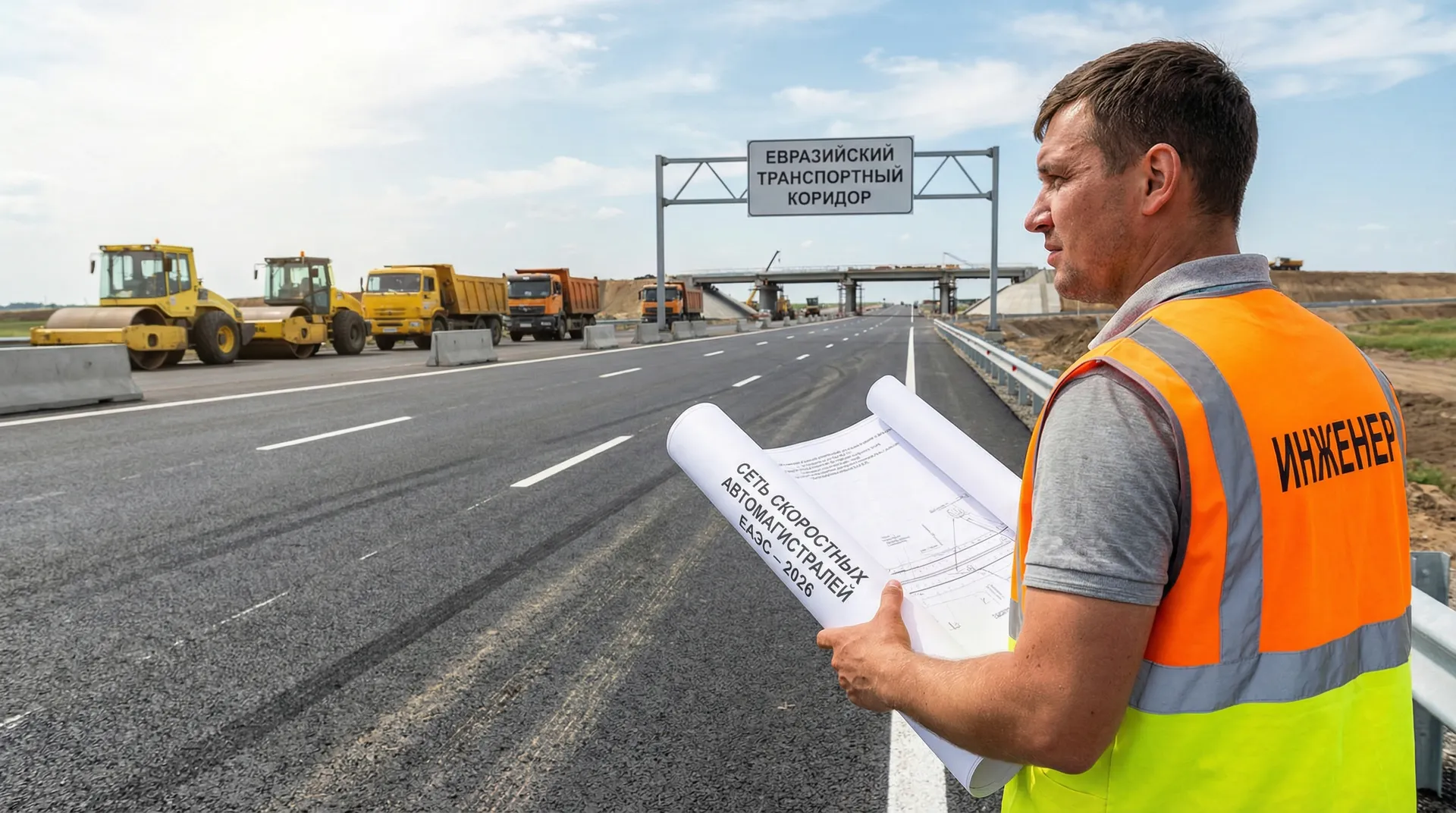
Financing of strategic projects remains a separate line in the investment program. 120 billion rubles are planned for the implementation of the high-speed highway, and another 62.2 billion rubles will be allocated for the development of the main infrastructure. Thus, even with a general reduction in investments, the company continues to support projects of long-term importance for the country's transport system.
The Ministry of Finance stressed that the financial stability of Russian Railways is ensured not only by adjusting the investment program, but also by a set of managerial and government measures. The department noted support for the actions of the company's management, including efforts to increase loading volumes and sell non-core assets. In addition, Russian Railways receives government support in the form of subsidies for the purchase of rolling stock, partial compensation for operating expenses and an extension of insurance premiums.
As stated by Irina Okladnikova, a member of the Board of Directors of Russian Railways, First Deputy Minister of Finance.:
"The decisions made will help maintain the company's stable financial condition."
The financial situation of the holding remains tense. Russian Railways' net profit under IFRS for the first nine months of 2025 decreased 4.2 times and amounted to 24.9 billion rubles, while EBITDA increased by 13.7% to 808.1 billion rubles. Against this background, the group's short-term liabilities exceeded current assets by 2.2 trillion rubles at the end of September 2025.
Finance Minister Anton Siluanov previously noted that the company is actively working on debt restructuring and is cooperating with credit institutions to reduce its debt burden in 2026. Together, these measures form a more stable financial configuration for the country's largest carrier against the backdrop of a difficult macroeconomic environment.