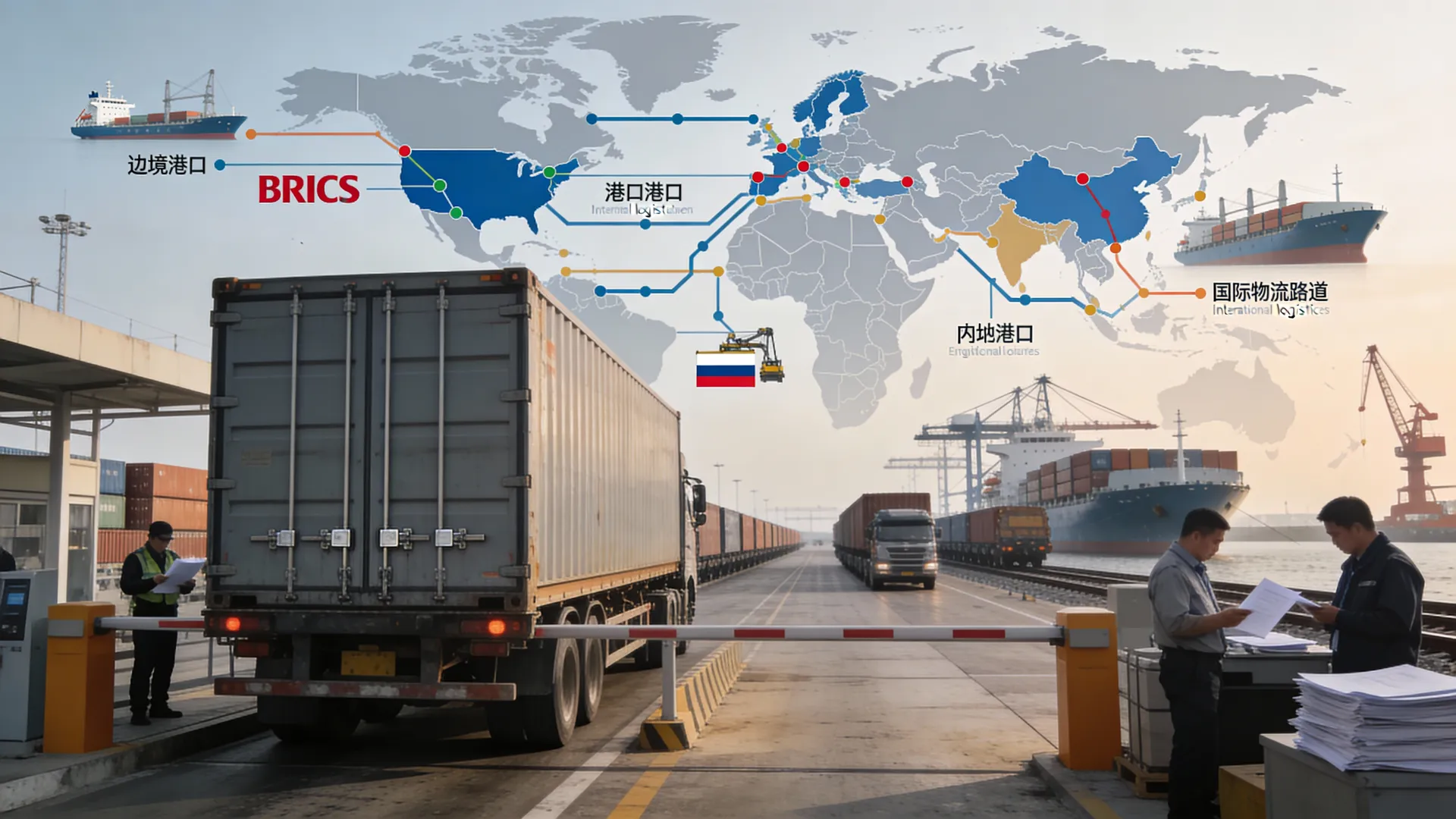
Russia and China continue to strengthen transport cooperation by developing rail and road links between the two countries. According to the press service of the Russian government, traffic volumes are steadily growing, reflecting the positive dynamics of mutual trade and economic integration.
The Office of the Cabinet of Ministers stressed that transport cooperation between the two countries is developing steadily. The increase in transportation is due to the growth of bilateral trade, as well as the expansion of logistics corridors connecting Russia with Chinese industrial regions.
From November 3 to 4, Russian Prime Minister Mikhail Mishustin will pay a working visit to China. Meetings with Chinese President Xi Jinping and talks with Premier of the State Council of China Li Qiang are planned as part of the trip. New transport projects, joint infrastructure investments and logistics initiatives are expected to be discussed.
In recent years, the countries have significantly strengthened overland trade routes, including railways through Zabaikalsk and Primorye, as well as bridges over the Amur River, which allow for faster cargo movement.
Experts note that the active increase in transport flows between Russia and China contributes to the formation of a single Eurasian economic space and opens up new opportunities for cooperation within the framework of the BRICS association and the One Belt— One Road initiative.