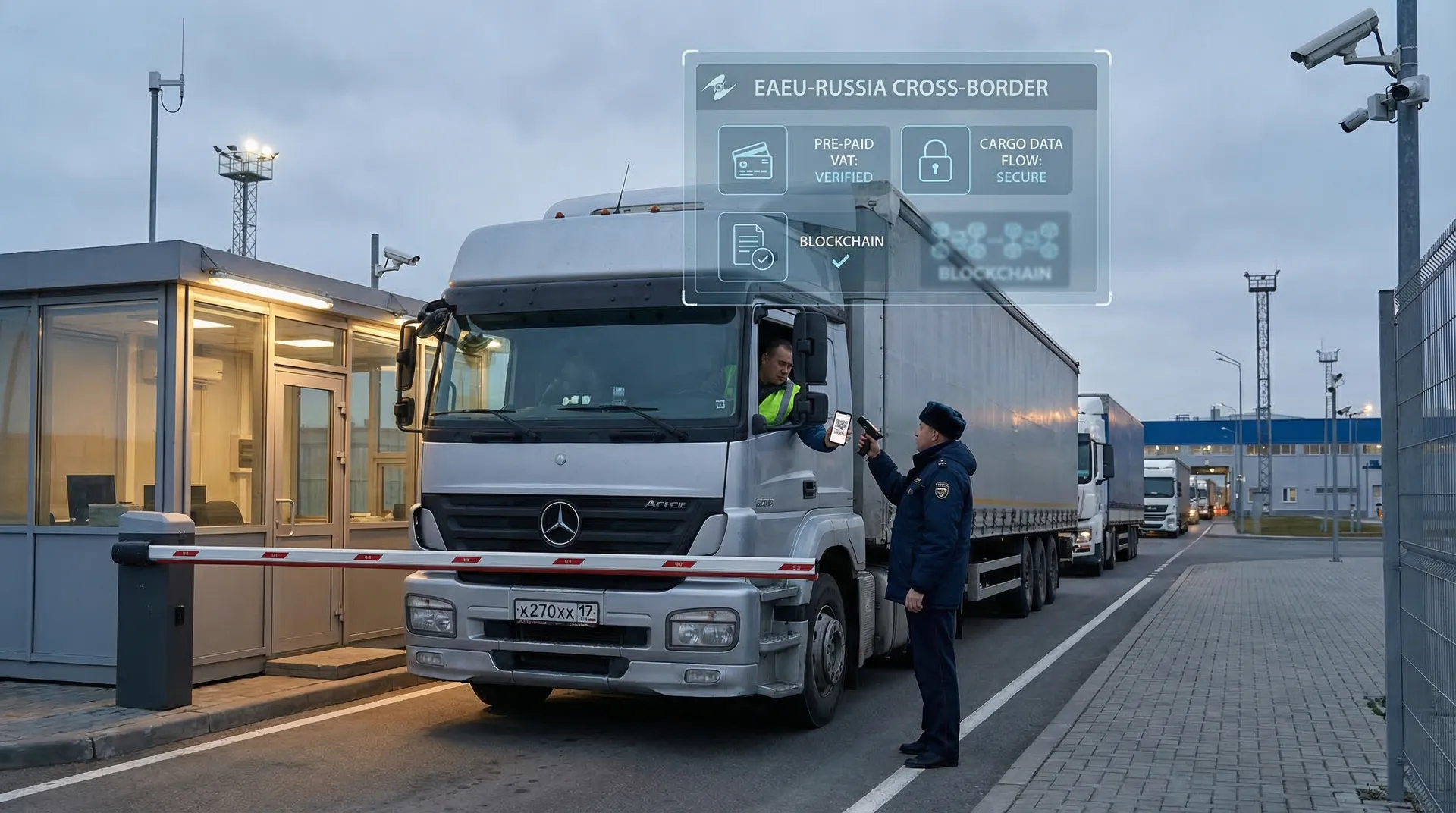
The EAEU countries have fixed a common guideline for 2026: transport control on the external contour of the Union should switch to a full-format digital exchange, including the electronic format of waybills and permits for cargo transportation. The solution is being worked out through the overall process of the Union's integrated information system, which links the control bodies and allows information exchange without manual duplication.
The system is already operating in a "combat" mode in conjunction with Belarus and Russia. This is an important indicator of the maturity of the project: there is a practical outline, there is a real data flow, there is experience in troubleshooting and building unified reference books. The next stage, by the end of 2026, involves connecting the rest of the EAEU countries to a full-format model so that carriers and regulatory authorities have a single information field during checks on the route and at the external border.
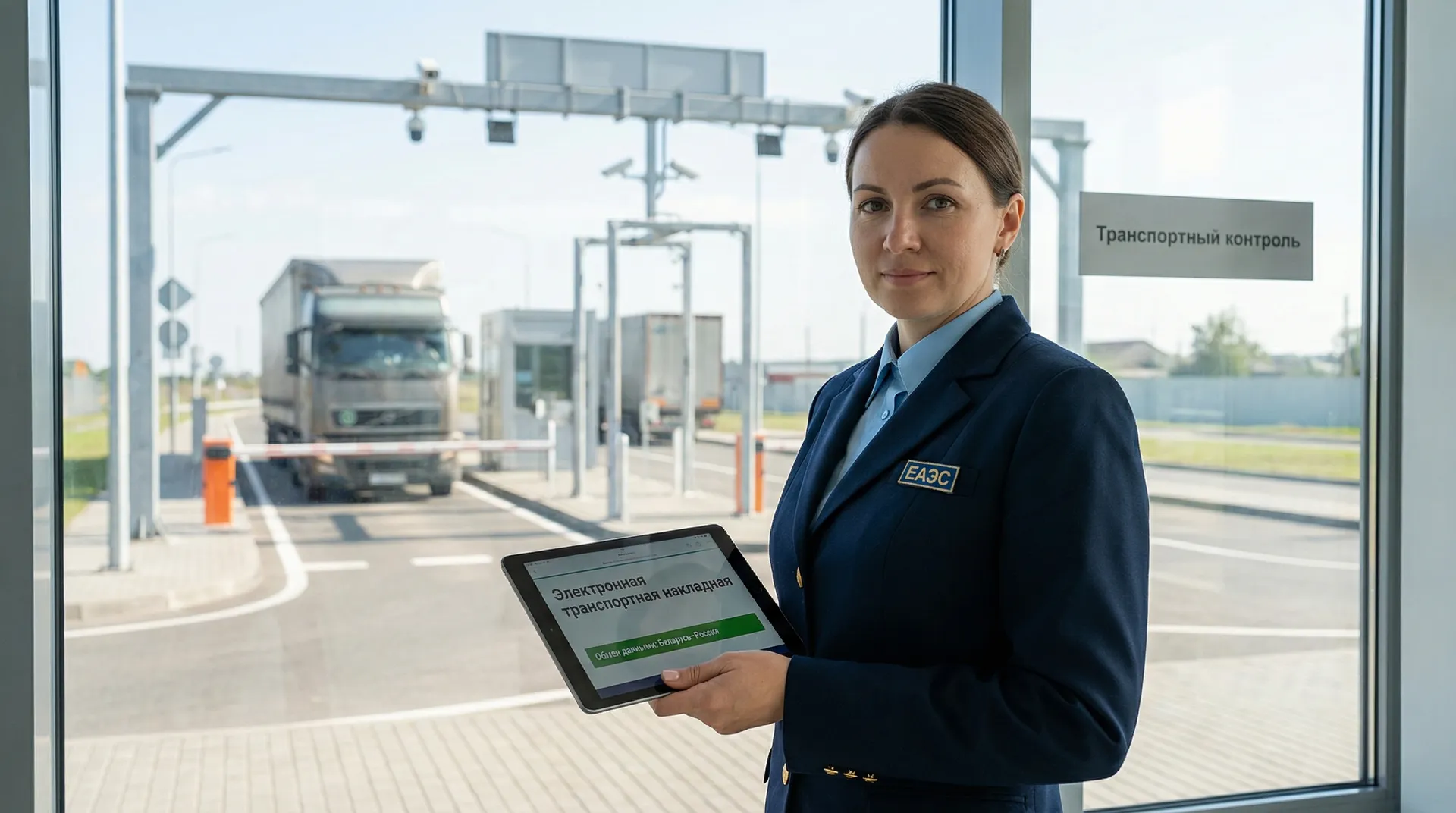
In parallel, an experiment on the introduction of an electronic international consignment note is being discussed. This is one of the most noticeable acceleration levers for the trucking market. An electronic consignment note makes it possible to transmit in advance a complete set of data about the cargo, route, participants in transportation and accompanying documents, and then reuse this information in control, at the terminal, when crossing the border and in settlements between the parties.
The second block, which directly affects the speed of the flight, concerns electronic travel permits for heavy and oversized vehicles. The idea of a service for foreign carriers is also important here. When a permit becomes a digital service, delays due to paper issuance disappear, it is easier to control deadlines, routes and parameters, and the risk of errors in banking details decreases.
What does this mean for companies as early as 2026:
- The value of correct cargo and route data will increase, because control will rely on information received before arrival.
- It will be necessary to coordinate electronic formats with contractors and forwarders so that the invoice and permits do not "break" at the joints.
- For carriers that operate in several EAEU countries at once, there will be a chance to reduce downtime during inspections due to a single set of data and uniform exchange procedures.