In 2026, the financial logistics of foreign trade is entering a phase where crypto tools are beginning to move closer to the familiar banking infrastructure. The market is discussing a regime in which banks and brokers will be able to conduct some of the crypto operations on a notification basis, based on current permits. In public rhetoric, there was a formulation that business already perceives as a guideline.:
Banks and brokers may be allowed to operate as crypto exchanges without a separate full—fledged license - on a notice basis, based on existing permits.
For foreign economic activity, this means a new scenario of settlements with suppliers and agency networks. Companies want predictability in terms of payment deadlines, a clear package of supporting documents, and a stable conversion channel. With increasing checks on the sources of funds and the purpose of payment, businesses will have to prepare the transaction structure in advance: a contract, invoices, transport documents, a description of the flow of goods, a chain of counterparties, internal regulations on sanctions and AML control. The banking side will demand discipline and transparency, as the regulator is simultaneously preparing requirements aimed at reducing risks for banks and customers when dealing with cryptocurrencies in 2026.
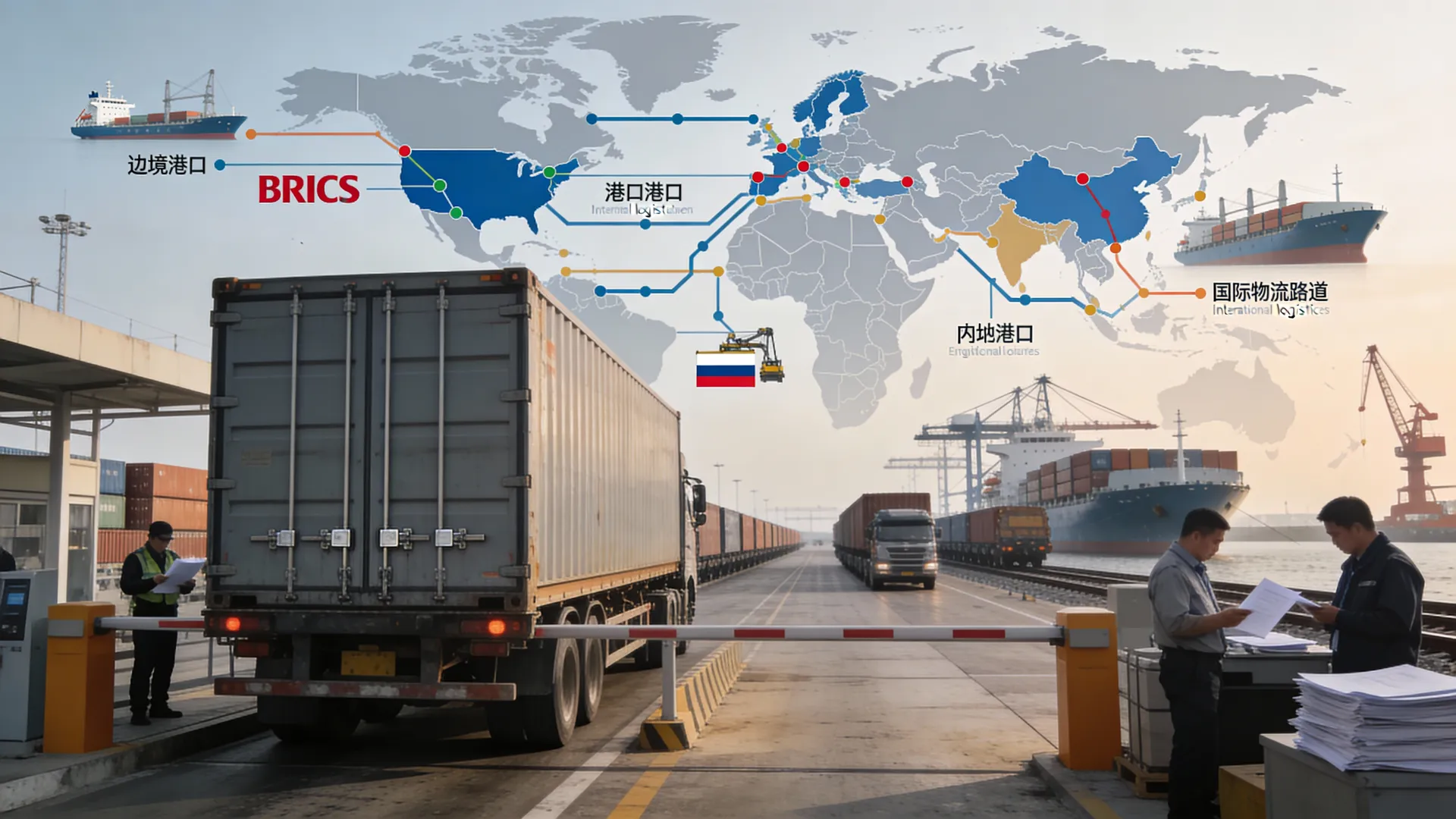
A separate area of attention is calculations in areas where the share of trade with partners from BRICS and neighboring markets is actively growing. Commodity chains in such corridors rely on fast prepayments, batch splitting, multi-currency contracts, and work through sales agents. Any delay in payment will result in downtime at the warehouse, disruption of the window at the port, a shift in auto-delivery, and overspending on storage. Therefore, the crypto channel in the banking circuit is of interest to businesses as a tool for managing the due date and commission. At the same time, market participants have already learned a lesson: alternative schemes work when risk and compliance management is built on the company's side. At the state level, the growing role of alternative methods of cross-border payments, including cryptocurrency, is also recognized against the background of restrictions and increased attention to payments.
In practice, in 2026, companies will assemble a "payment constructor": bank accounts in friendly jurisdictions, internal settlement circuits, payment agents, as well as crypto tools that are convenient for short-term leverage and urgent closing of obligations. The model will require a risk calendar. It includes the volatility of the exchange rate, transaction limits, the deadline for final crediting, the bank's requirements for the economic meaning of the transaction, the risk of suspension due to compliance, and the legal qualification of the operation in a particular country.
The market is already formulating the main principle for the coming year: speed will appear along with the discipline of documents. The material says this directly and it should be taken as a working instruction for foreign economic activity teams.:
Notification mode does not cancel compliance. It is necessary to prepare documents and assess risks day by day. Those who plan operations in advance will benefit.
On the business side, the task looks concrete. We need a matrix of risk counterparties, a procedure for confirming the origin of funds, the choice of a stable settlement asset, hedging scenarios, a communication plan with the bank before the first operation, control of details and addressees, a single archive of delivery documents. Then crypto transfers through banks will become a financial logistics tool that helps maintain a supply schedule and reduce cash gaps in international trade.