The sharp strengthening of the ruble, observed at the end of 2025, is increasingly causing doubts among participants in the foreign exchange market. Analysts and bidders agree that the current exchange rate levels do not reflect the fundamental state of the economy and may give way to a gradual weakening during 2026.
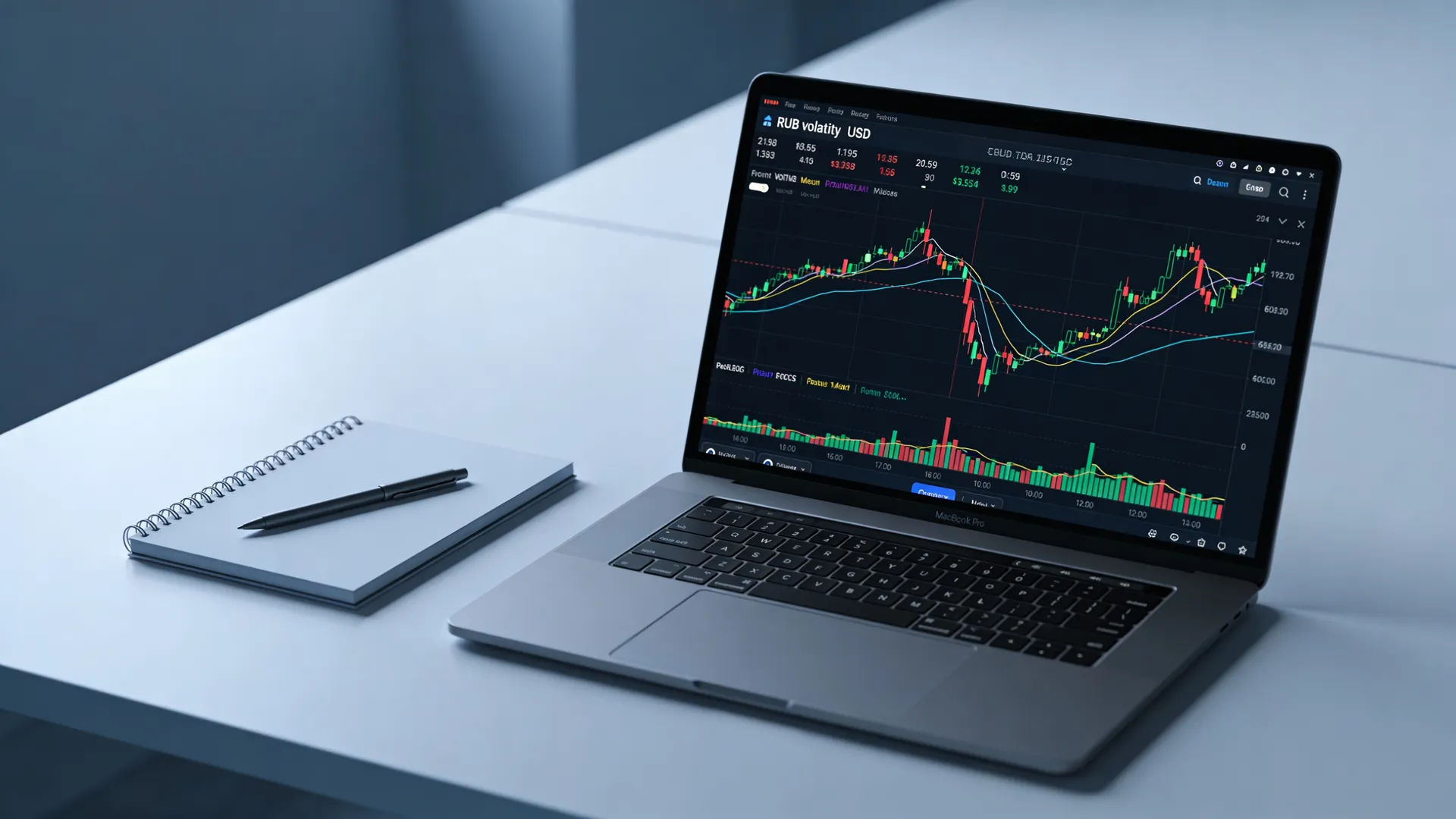
According to trading data, the dollar in the domestic market fell below 79 rubles, which became one of the strongest values of the ruble in recent years. However, experts point out that the strengthening is largely technical and administrative in nature, and is not a consequence of increased export revenues or an improved investment climate.
Tight monetary policy remains a key factor in supporting the ruble. A high key rate reduces the demand for foreign currency from importers and limits lending activity. At the same time, capital controls remain in place, which curbs the outflow of funds abroad.
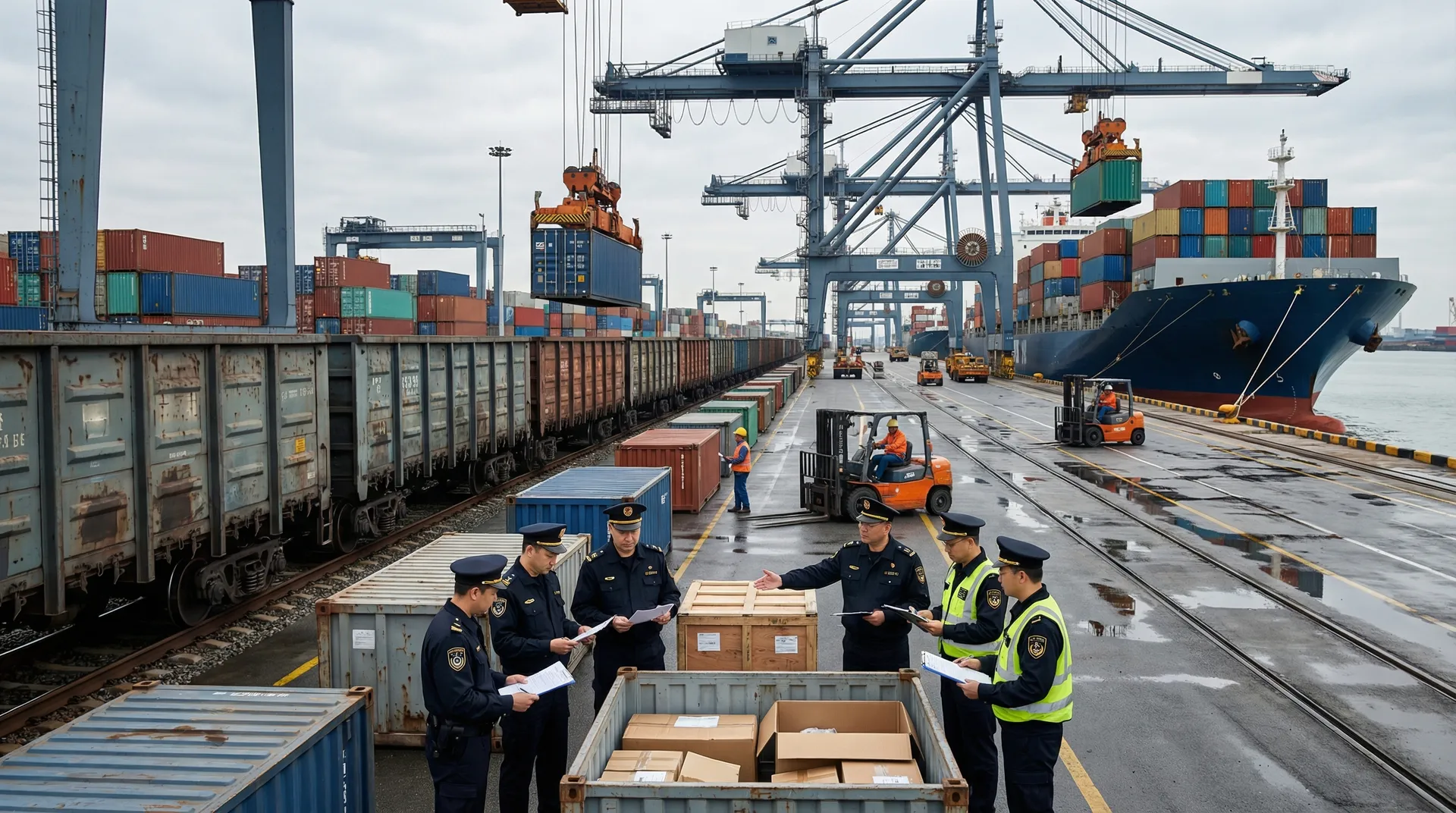
At the same time, fundamental indicators remain vulnerable. Export earnings are declining against the background of moderate oil prices and a decrease in foreign trade. Imports, on the contrary, are showing signs of recovery, which may increase demand for foreign currency in the future.
Experts note that the paradox of the current market is that the deterioration of budget parameters temporarily contributes to the strengthening of the ruble by reducing economic activity and imports. However, this effect cannot be long-term.
It is expected that as monetary policy eases and domestic demand gradually revives, the currency balance will begin to shift. This may lead to a weakening of the ruble in the second half of 2026. Analysts do not rule out a return of the dollar exchange rate to the range above 85-90 rubles, especially with an increase in budget expenditures and a decrease in export revenue.
Geopolitics and the state of global commodity markets remain an additional factor of uncertainty. Even minor changes in the structure of energy supplies or logistics can significantly affect the foreign exchange market.
Thus, experts consider the current ruble exchange rate as a temporary equilibrium formed by a combination of administrative measures and macro-financial constraints. In the medium term, the market expects a weaker ruble, reflecting real economic conditions.