"Chinese SWIFT": How the launch of CIPS 2.0 is changing global calculations and why it won't solve Russia's problems

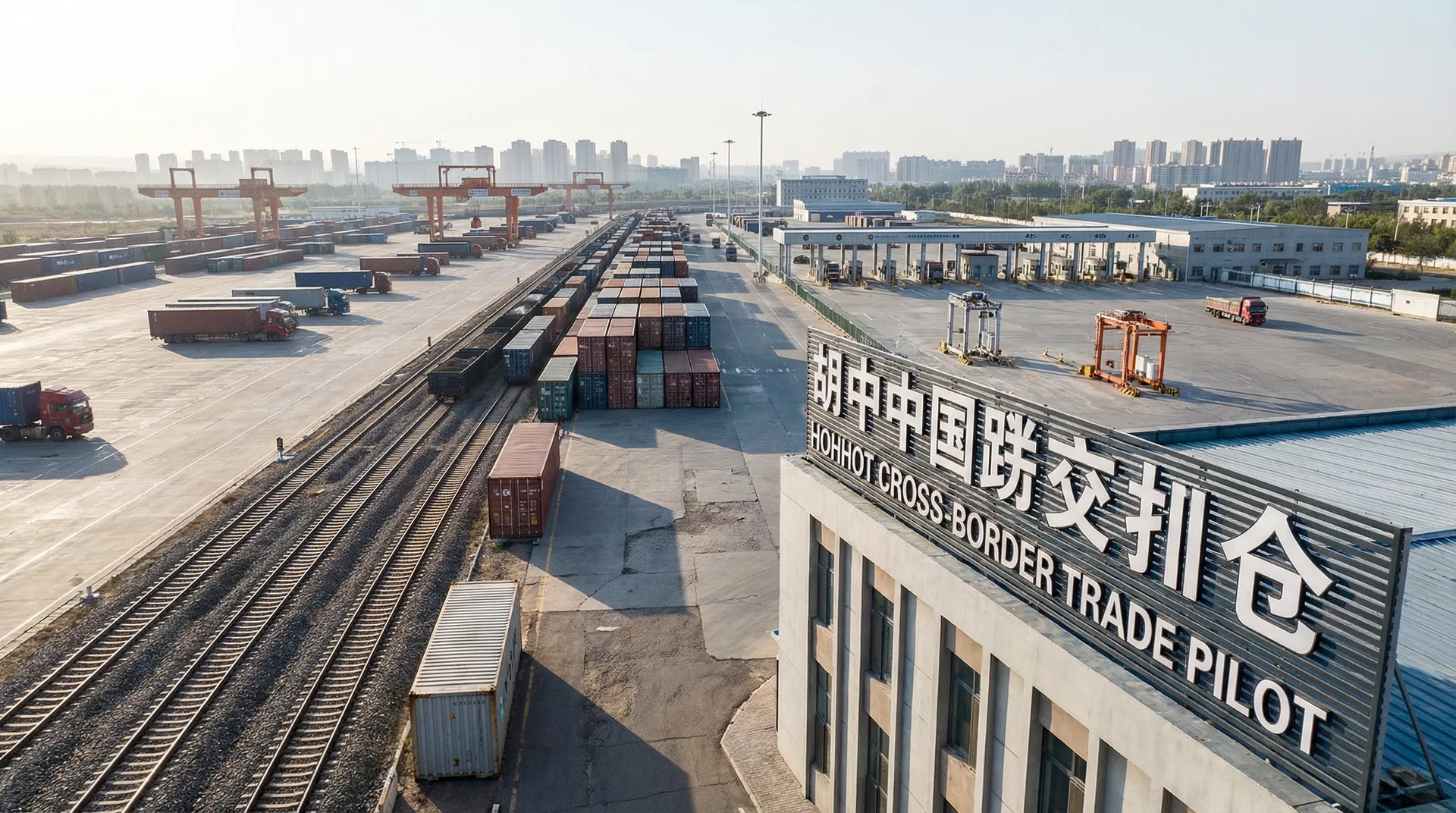
The launch of the updated Chinese CIPS 2.0 payment system has sparked a wave of discussions about the future of international settlements and China's role in the new financial architecture. Many people call it an analog or even a potential replacement for SWIFT, but the reality is much more complicated, says Andrey Mikhailishin, head of the BRICS Payments&Fintech task force. Despite technological progress, the business transition to CIPS remains limited and involves a number of barriers.
The second version of the system provides faster message processing speed, enhanced compatibility, and improved security. China is actively promoting CIPS as a pillar for global trade, especially in Asia, Africa and BRICS countries. According to experts, interest in the system is growing as national currencies are becoming more actively used in cross-border transactions. Nevertheless, it is premature to expect a massive transition from SWIFT to CIPS.

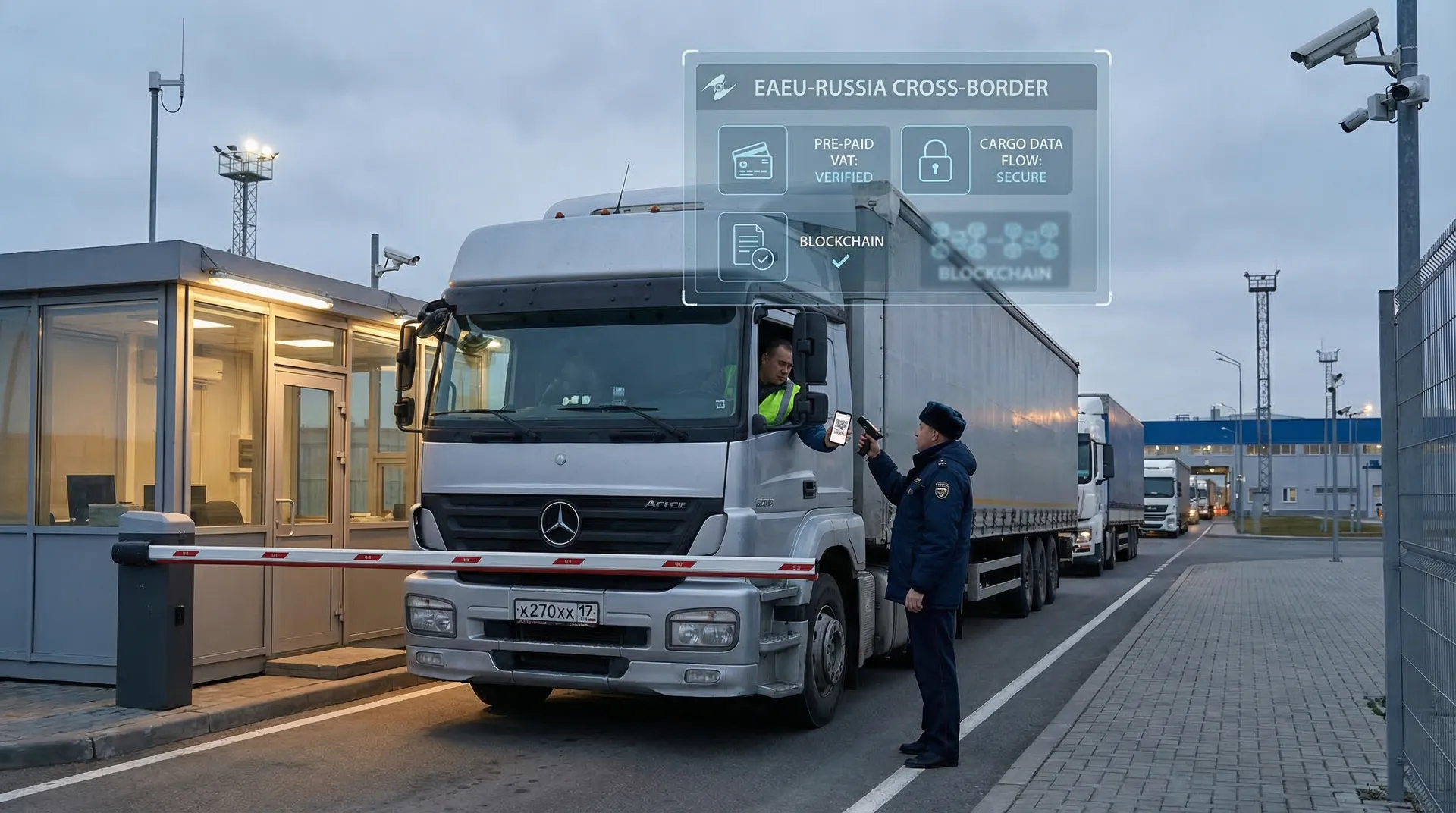
The main reason is that the system is not designed to fully replace SWIFT. Rather, it works as an infrastructure for payments in yuan, rather than as a universal communication network. This creates certain limitations for Russian companies. Although Russia is interested in alternative international payment channels, connection to CIPS is possible only if strict conditions are met, including the legal purity of transactions and the absence of sanctions risks, otherwise Chinese banks simply block participation.
In addition, the transition to CIPS may complicate the work of a business in a number of aspects. Companies will face the need to restructure processes, change software interfaces and integrations, as well as take into account the rules of Chinese regulation, which differs significantly from European and Russian ones. An additional complication is that the system is completely focused on the yuan, and not on multicurrency.
Mikhailishin emphasizes that CIPS 2.0 strengthens China's role in global trade, but it cannot become a solution to Russia's problems with international settlements. Sanctions, restrictions on conversion and the cautious position of Chinese banks remain regardless of the capabilities of the new system. Moreover, any increased dependence on one partner carries strategic risks for payment independence.
Thus, the updated system does change the rules of the game, but rather strengthens China's position rather than offering a global tool for all participants in international settlements. For Russia, the task remains to develop its own solutions, expand ruble corridors and diversify partner financial channels, which will reduce vulnerability in the face of ongoing sanctions pressure.