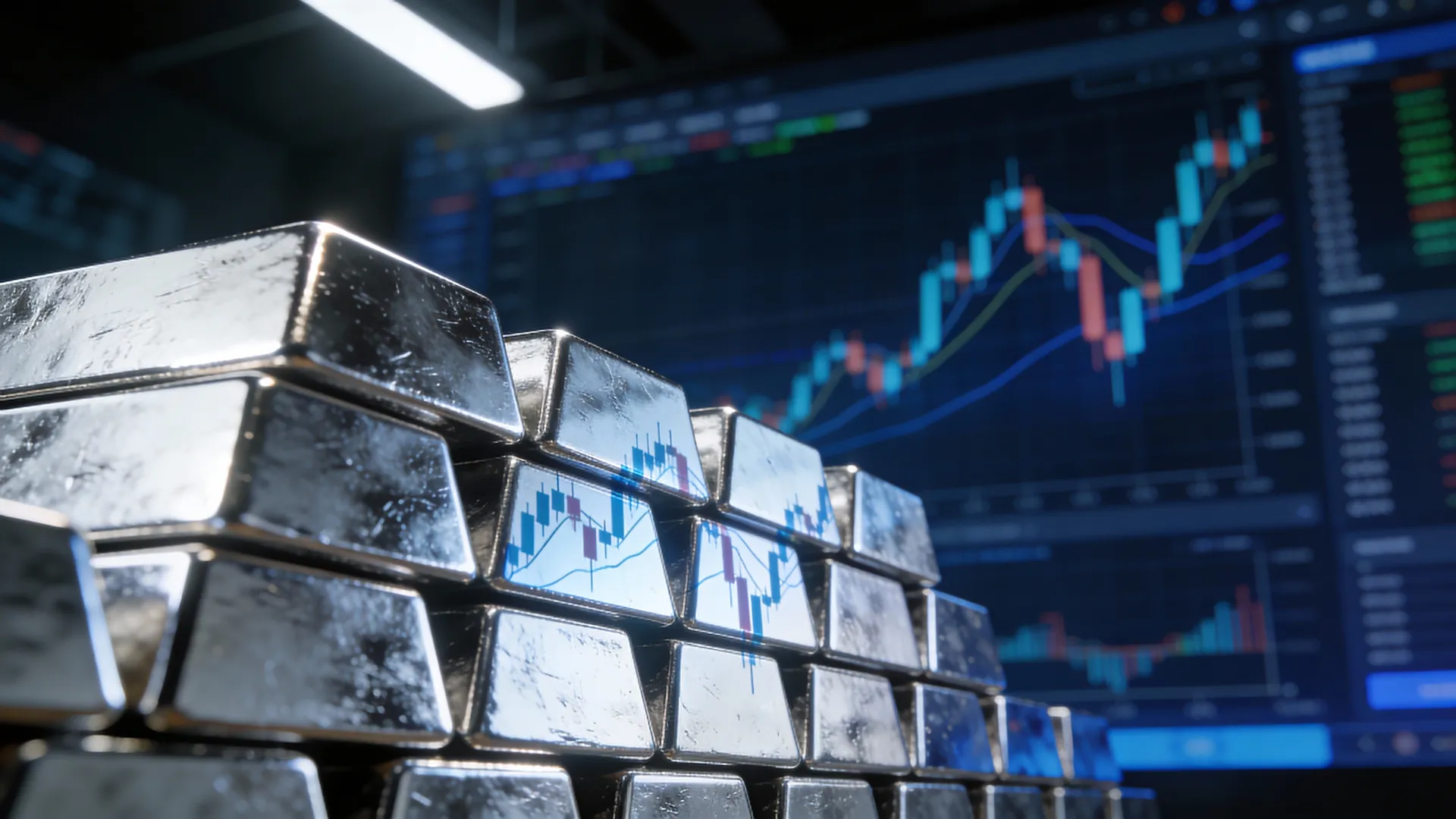
The precious metals market has recorded a historic event: The price of silver for the first time exceeded the mark of $ 82 per ounce, updating the absolute price record. Since the beginning of the year, the metal has risen in price by 185 percent, demonstrating one of the most powerful dynamics among all global assets.
The sharp rise in prices has led to an unprecedented capitalization result. The total valuation of the silver market reached $4.65 trillion, which allowed the metal to bypass one of the world's technology giants, Nvidia, and take the second place among the most expensive assets on the planet.
Analysts attribute the rapid growth of silver to several factors at once. Firstly, investment demand for defensive assets is increasing against the background of geopolitical instability, debt risks and weakening confidence in traditional currencies. Secondly, silver plays a key role in high-tech industries, from solar energy and electric vehicles to microelectronics and the defense industry.
The limited supply puts additional pressure on the market. Silver mining is growing much slower than demand, and metal stocks in stock exchange warehouses in several regions are at their lowest levels in recent years. This enhances the speculative effect and stimulates the inflow of capital into the metal from institutional investors.
Against the background of the rally, silver has ceased to be perceived solely as an industrial metal and is increasingly seen as a full-fledged alternative to gold. Previously, its dynamics largely depended on the cycles of the global economy, but now silver is showing itself