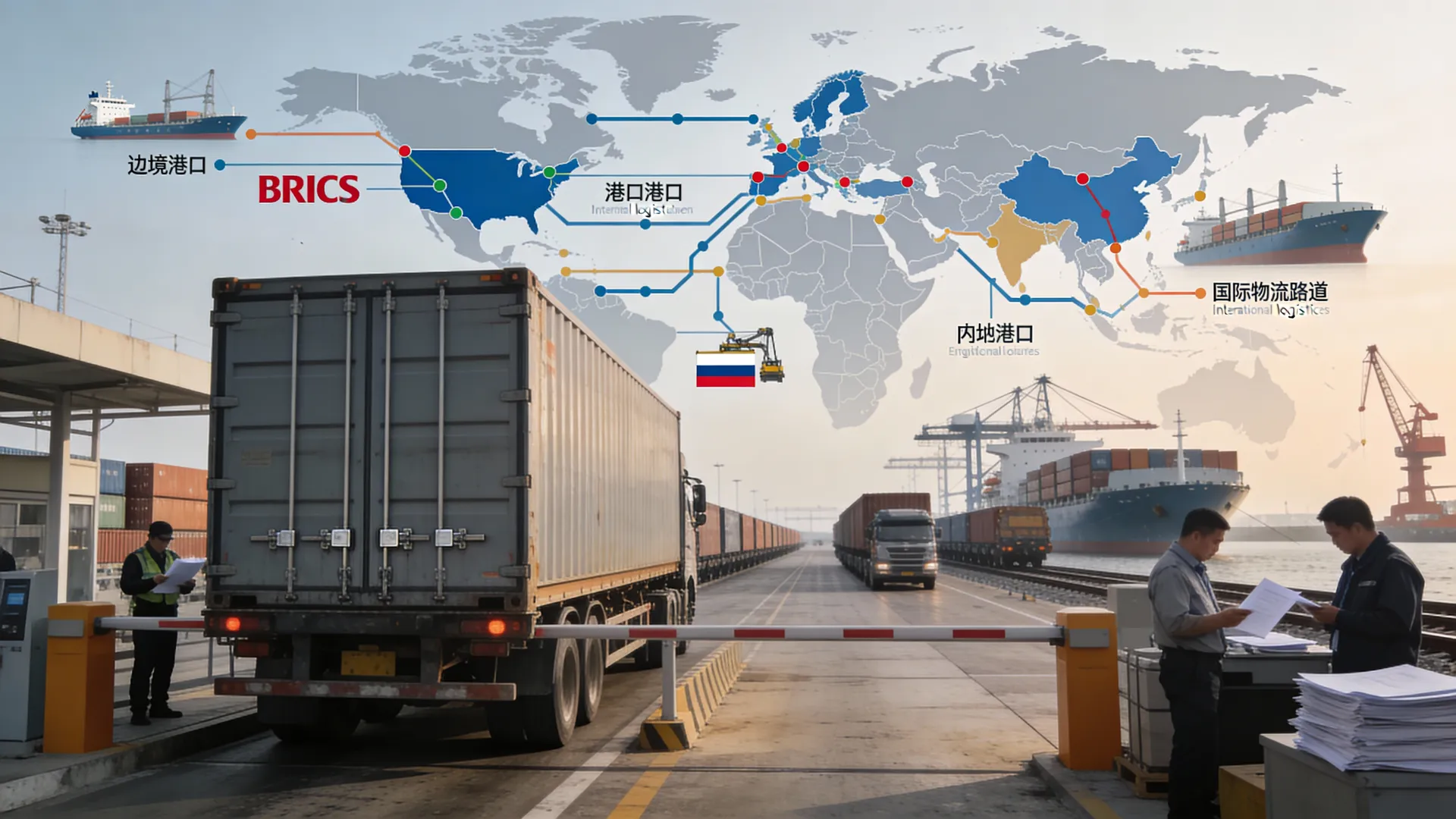
The global management system certification market continues to grow steadily, despite geopolitical and regulatory changes. According to analysts at Research Nester, in 2025 its volume exceeded $ 39.75 billion, and by 2035 it could reach $ 67.26 billion with an average annual growth rate of about 5.4%. The main drivers remain the simplification of global trade and the growing demands on the business reputation of companies from customers and partners.
For Russian business, the situation has become noticeably more complicated after 2022. The departure of a number of international certification bodies has led to a decrease in the number of both new and extended management system certificates. This is confirmed by the ISO Survey data: in 2022-2023, the number of ISO certificates issued in Russia showed a negative trend.
At the same time, the availability of a valid ISO certificate remains a critically important factor for foreign economic activity. Without it, companies lose access to export markets, international contracts and tenders, and face restrictions when working with large customers.
Haensch experts point out that in most cases, re-certification is not required. If a Western authority suspends work with a Russian company, and the validity period of the ISO 9001, ISO 14001 or ISO 45001 certificate has not expired yet, it is possible to transfer the certificate to another international certification body.
The key reason for such a transition is the IAF rules, which allow for a change of certification body without loss of certificate status. In practice, this means the possibility to continue the operation of the management system, for example, through Asian or other international structures that retain accreditation.
Experts emphasize that it is necessary to start the transfer process in advance. If there is a risk that the current certification body will cease operations, the transition should be initiated before it actually leaves the market. This avoids the suspension or revocation of the certificate.
The transfer procedure includes the preparation of a package of documents and interaction with a new accredited body. As a rule, it is required to provide a valid certificate, audit reports for the last three years, information on identified inconsistencies and corrective measures, a declaration of the validity of the certificate, information on complaints and decisions taken on them, as well as information on lawsuits related to compliance with legal requirements.
It is important to keep in mind that the transfer is not a formality, but a full—fledged verification of the continuity of the management system. The new body evaluates how well the processes were maintained and the requirements of the standards were met throughout the entire validity period of the certificate.
Experts agree that in the current conditions, transfer remains the only reliable way to maintain international certificates of management systems for Russian companies. Revocation of a certificate almost always leads to a longer, more expensive and complex re-certification procedure, which directly affects the competitiveness of a business in foreign markets.