China tightened exports: from October 2025 — mandatory NWFPs, seller disclosure and full traceability

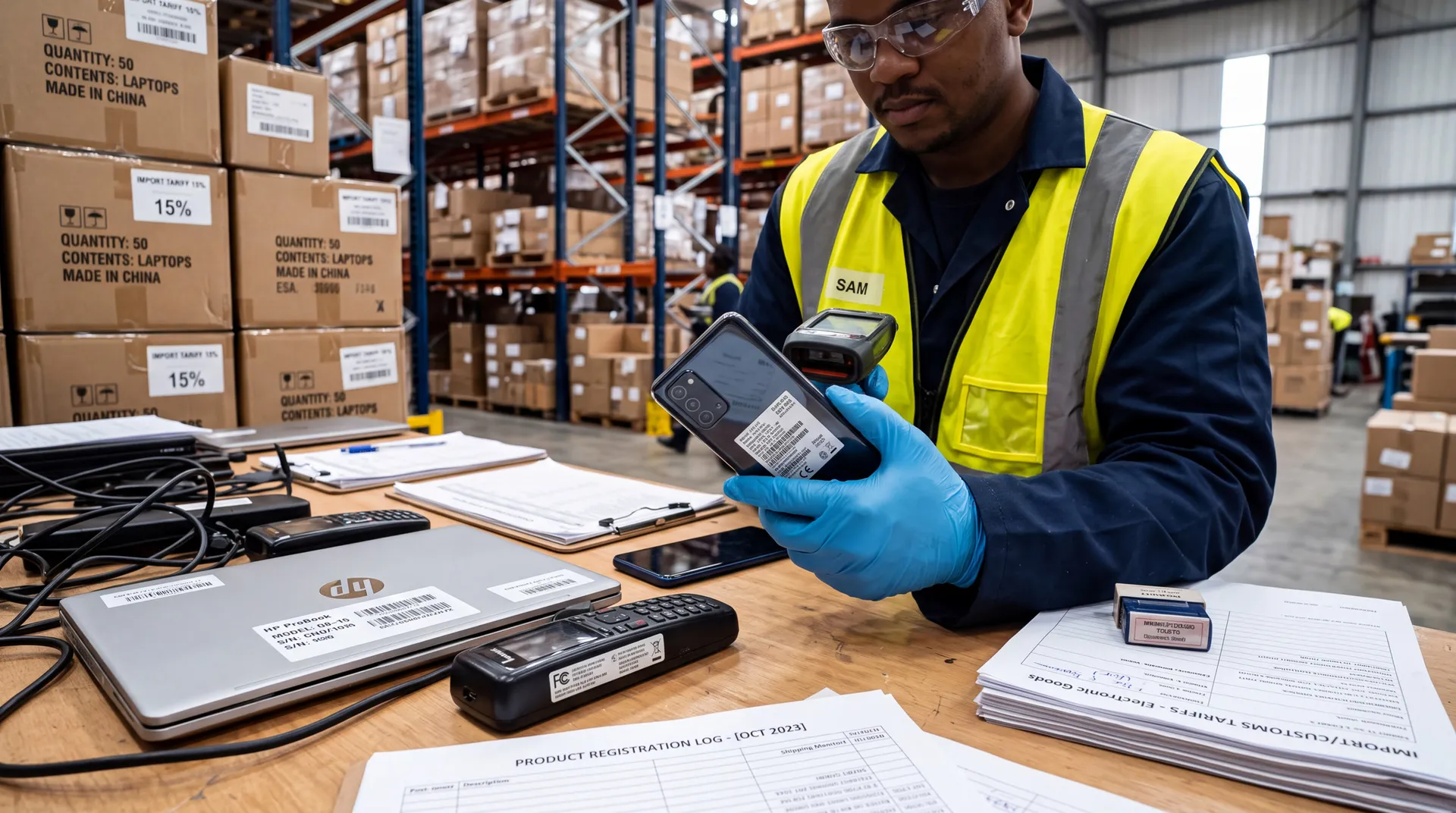
Since October 1, 2025, China has launched a large—scale reform of foreign trade control aimed at full transparency of the movement of goods - from domestic purchase to export. The country is completely rebuilding the customs declaration system, tightening requirements for exporters and making official documents mandatory, including the NWFZF— a tax invoice confirming the origin of the goods.
Now export agents are required to indicate the true seller of the goods when submitting the declaration. Chinese exporting companies, in turn, must register with the tax authorities, issue an official EPA and export directly, without intermediary schemes. If there is no NWFPS, the operation is automatically considered an intermediary, and the tax burden falls on the agent, which can lead to additional charges, fines, and cargo delays at the border.
Stricter requirements have become a consequence of the global trend towards the "whitewashing" of trade, which is simultaneously observed in both China and Russia. On the Chinese side, the government seeks to eliminate any informal schemes, strengthen the tax base, and introduce full traceability mechanisms. Russia is moving in a similar direction: introducing updated tax rules, strengthening import controls, and developing digital supply chain monitoring tools.
An additional factor is the rise in the cost of cargo logistics. Experts predict an increase in the cost of transportation by at least 20-30% due to increased taxes, increased controls and infrastructure costs necessary for the export of goods from China. As a result, the difference between gray and "white" schemes is minimized, which makes illegal operations economically meaningless.
The reform radically changes the rules of the game for Russian importers. Companies should check suppliers in advance, request official documents, and prepare for additional costs. The transition to transparent schemes is becoming not only a legal requirement, but also a condition for stable operation in the market.