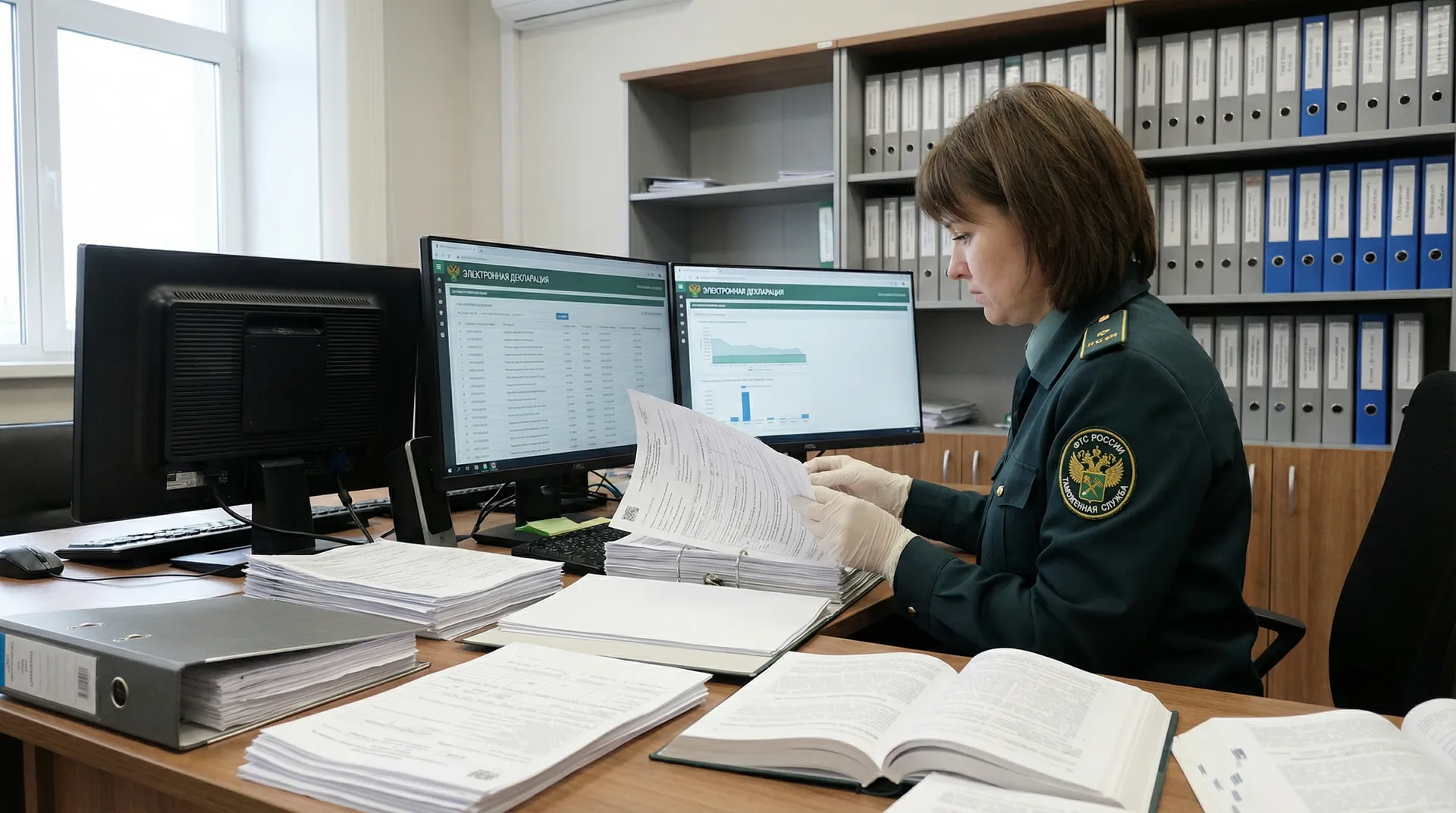
In 2025, large-scale changes affecting the procedure for customs control after the release of goods came into force. The changes significantly updated the procedures for interaction between participants in foreign economic activity and customs authorities, clarified the timing and procedure for reviewing inspection materials, and also transformed the process of checking documents and information initiated after the release of goods.
The key adjustments concerned Federal Law No. 289-FZ, which regulates customs administration. Participants in foreign economic activity are now granted the right to get acquainted with the materials of the customs inspection in accordance with the established procedure. The Customs is obliged to provide access to the documents no later than five working days after receiving the relevant application. Viewing includes the ability to photograph and copy materials, but is limited to data containing legally protected secrets. Such information may be studied only visually, without the use of technical means.
The PDS procedure, one of the most demanded forms of control, has received clear regulations. Federal Law No. 536-FZ established precise criteria for determining the date of the start of the inspection: this is either the date of registration of the declarant's application for correcting the declaration, or the date of the order of the head of the customs authority. Now, requests sent to the participant of the foreign economic activity during the inspection are required to include information about the date of its start, which increases the transparency and legal certainty of the process.
The completion of the PDS is also strictly formalized. If the audit includes several declarations, decisions on them are made within 15 working days after the first decision is made. In cases where the applicant submits an adjustment, the end date of the verification is considered to be the moment of registration of the changes or the direction of the refusal. In all other situations, the SDA ends on the day of the decision on its results. If a full-fledged customs inspection is scheduled during the SDA, the SDA itself is considered completed on the day of making such a decision.
Since July 2025, the mandatory drafting of an act based on the results of the PDS has been abolished. Now, if violations are detected, a decision in the field of customs affairs is sent to the participant of the foreign economic activity, formalized and transmitted within five working days. If no violations are found, the Customs will send a notification of the completion of the inspection within three working days after the expiration of the established deadline for the inspection.
Thus, the changes of 2025 significantly systematized the control procedure after the release of goods, made the process more structured, reduced excessive administrative actions and increased predictability for businesses. The new rules are aimed at improving the quality of inspections and reducing risks for participants in foreign economic activity, while ensuring the continued effectiveness of customs supervision.