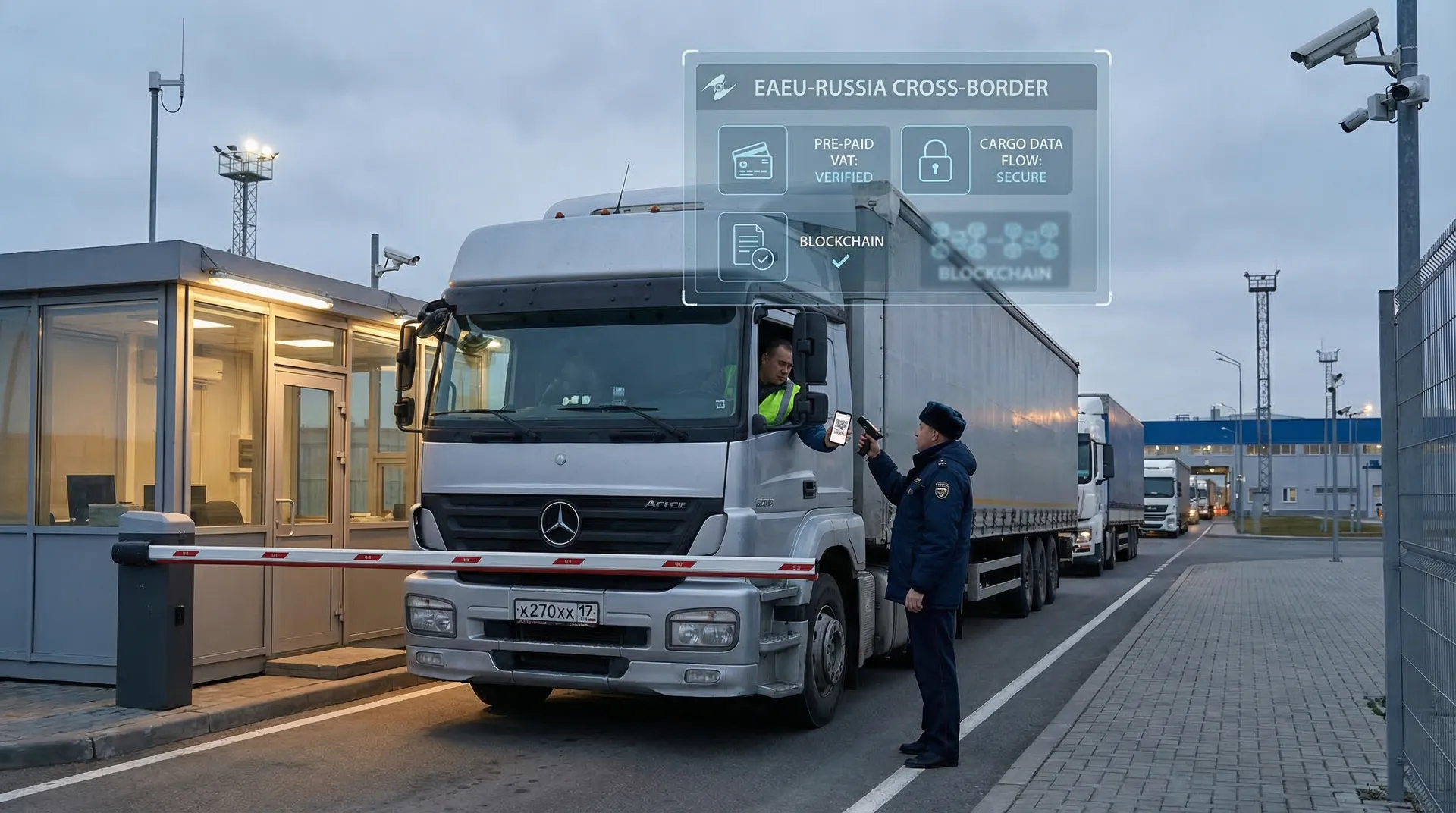
Customs inspection in a new way: The Ministry of Finance has fixed deadlines, electronic notifications and recording of results

The Ministry of Finance has approved a new procedure for customs inspection, which is one of the most sensitive procedures for participants in foreign economic activity, because this is where downtime at the SVH, disruptions of the "release window", overspending on storage and conflict situations over damages/shortages are born.
The document transfers the inspection from "on-site settings" to more regulated mechanics: the logic of assignment, information exchange and registration of results, including the electronic interaction loop, is fixed.
What is changing for business in practice
1) More time limits and actions.
The procedure stipulates that the decision on the appointment of an inspection is made promptly — the document provides for a short time frame (including a format where the decision is made within minutes after the formation of the message). This is important: if "customs accepts quickly", then delays often begin to appear on the business side — due to unprepared documents, lack of representatives, and disorganized access to cargo.
2) Electronic notifications become the basic scenario.
Interaction on the appointment and conduct of an inspection is linked to electronic data exchange: notifications, information and results must pass through the information systems of customs authorities and available channels for participants in foreign economic activity. This reduces the risk of "lost approvals", but increases the requirements for discipline: personal account, contact persons, current banking details — everything must be set up in advance.
3) Recording the results is more evidence—based.
The procedure establishes the registration of the inspection results by an act, as well as the possibility of recording the results by technical means (photos/videos and other materials). This is critical for businesses in controversial cases.: the condition of the packaging, the integrity of the seals, discrepancies in locations and labeling — now it is easier to "attach an invoice" and protect the position in case of claims.
4) There are more scenarios of “inspection without unnecessary operations".
The document describes the conditions under which the inspection can be carried out without unloading or with minimal intervention — this reduces the risk of damage and speeds up processing for certain categories of goods and packages.
Expert conclusion
The new order is a signal that customs control is being "tightened" to manage flows: more numbers, more electronic footprint, less space for discrepancies. For a conscientious participant in foreign economic activity, this is a potential advantage — predictability and fixation. But those who are ready to work in an accelerated mode will benefit: documents, access to cargo, a representative, terminal coordination should be arranged so that the inspection does not turn into a week-long downtime.