The import of electronics in Russia is entering a period of systemic changes. In 2026, the industry is facing several regulatory innovations at once, which are changing the supply economy, increasing control and increasing the financial burden on businesses.
The first factor is the growth of environmental collection. The rate has increased to 32,874 rubles/ton, and will rise even higher in 2027. At the same time, the payment procedure has changed: now the payment must be made in advance, at the time of importation of the goods. This directly affects the working capital of companies. Money is withdrawn from the business before the products are sold.
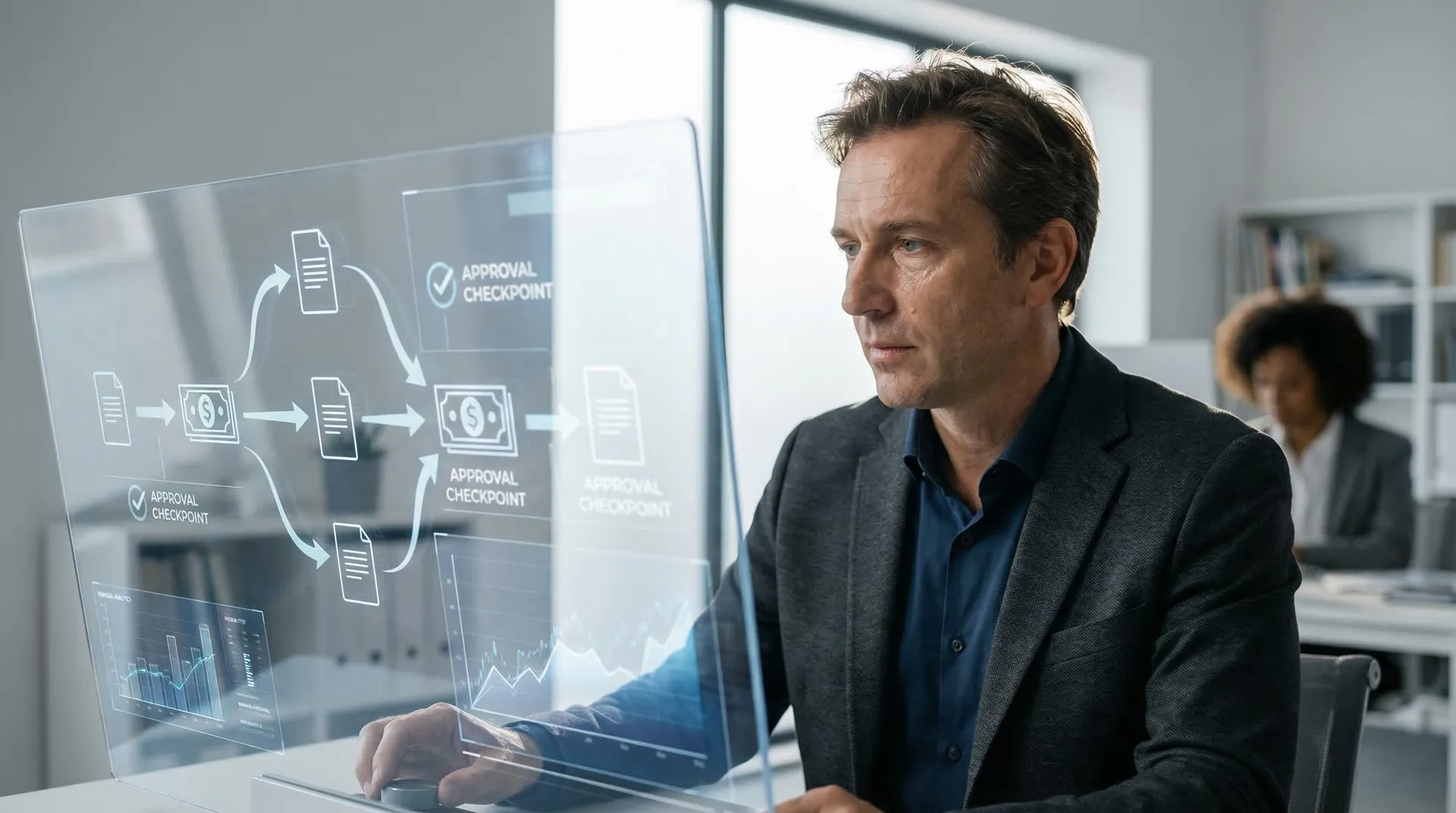
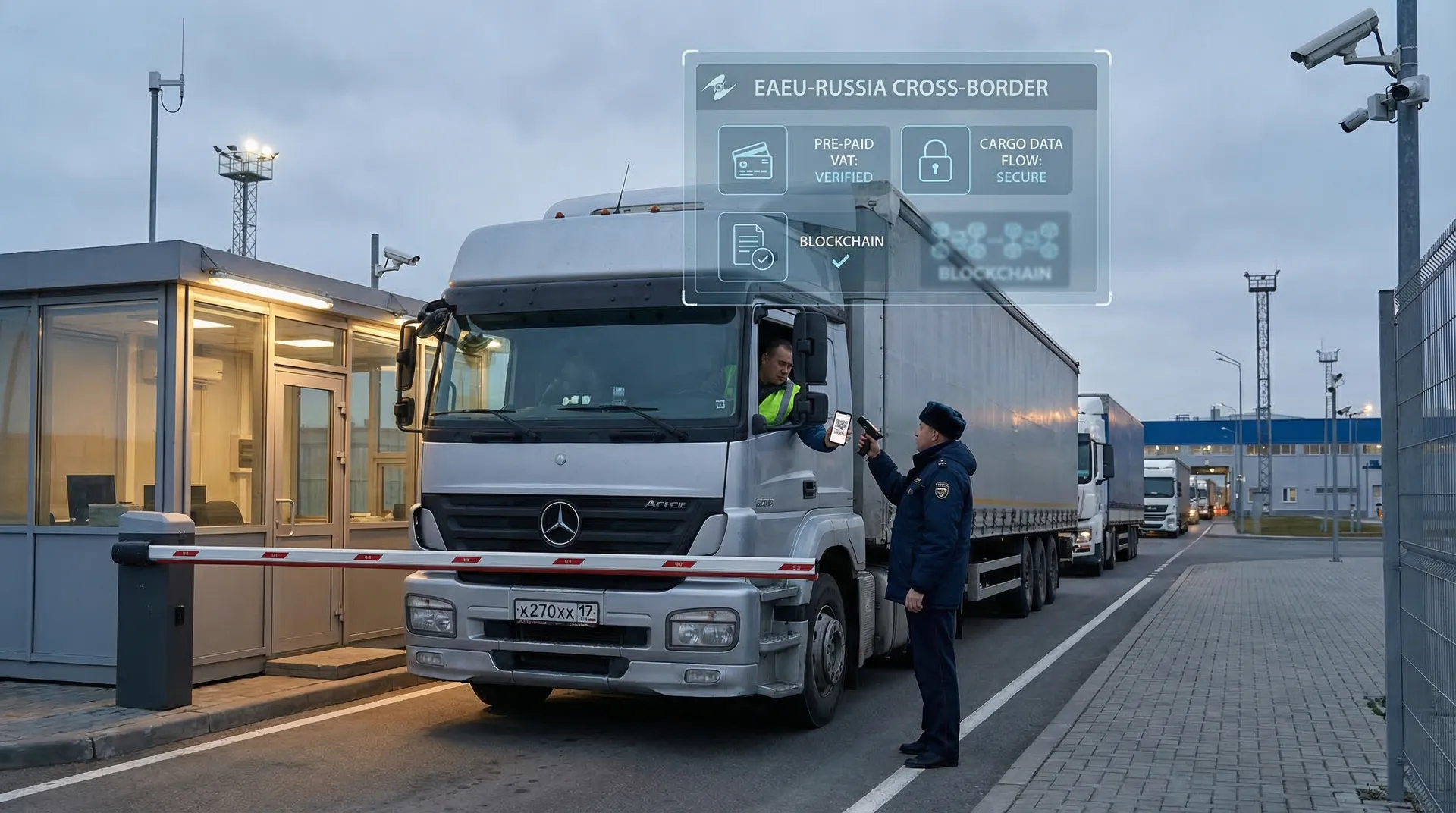
The second change is related to the launch of the SPOT system. From April 2026, it starts working in test mode, and from July it becomes mandatory. The system requires importers to notify the tax authorities in advance about the delivery, to draw up documents and to make a security payment for indirect taxes.
This adds a new layer of operational load. Each delivery requires preliminary preparation, and errors in data or late registration can lead to delays. Logistics is becoming more formalized and sensitive to documentary procedures.
The third innovation is the technology fee, which will become effective on September 1, 2026. Its size can reach up to 5% of the cost of the product. The funds will be used to develop the domestic electronics industry, including the production of chips and components.
The collection covers a wide range of products: smartphones, laptops, servers, consumer electronics, and other devices. This means that almost the entire segment of imported electronics will be under additional financial strain.
The cumulative effect of these measures is already being assessed by the market. Prices for electronics are expected to rise in the range of 10 to 30 percent. An additional factor is the possible delays in deliveries, especially at the stage of introducing new systems and adapting the business.
At the same time, the government introduces changes in stages. This approach should give the market time to adapt and reduce operational risks. For example, the technological assembly will first be applied to finished products, and further expansion of the mechanism into components will depend on the results of the first stage.
As a result, a new import model is being formed. Electronics is becoming a more regulated segment, where the price is determined not only by the purchase price and logistics, but also by the system of fees, taxes and digital controls.
For businesses, this means the need to review the entire supply chain, from pricing to financial planning. In 2026, those companies that adapt to the new rules in advance and add additional costs to the economics of transactions will benefit.