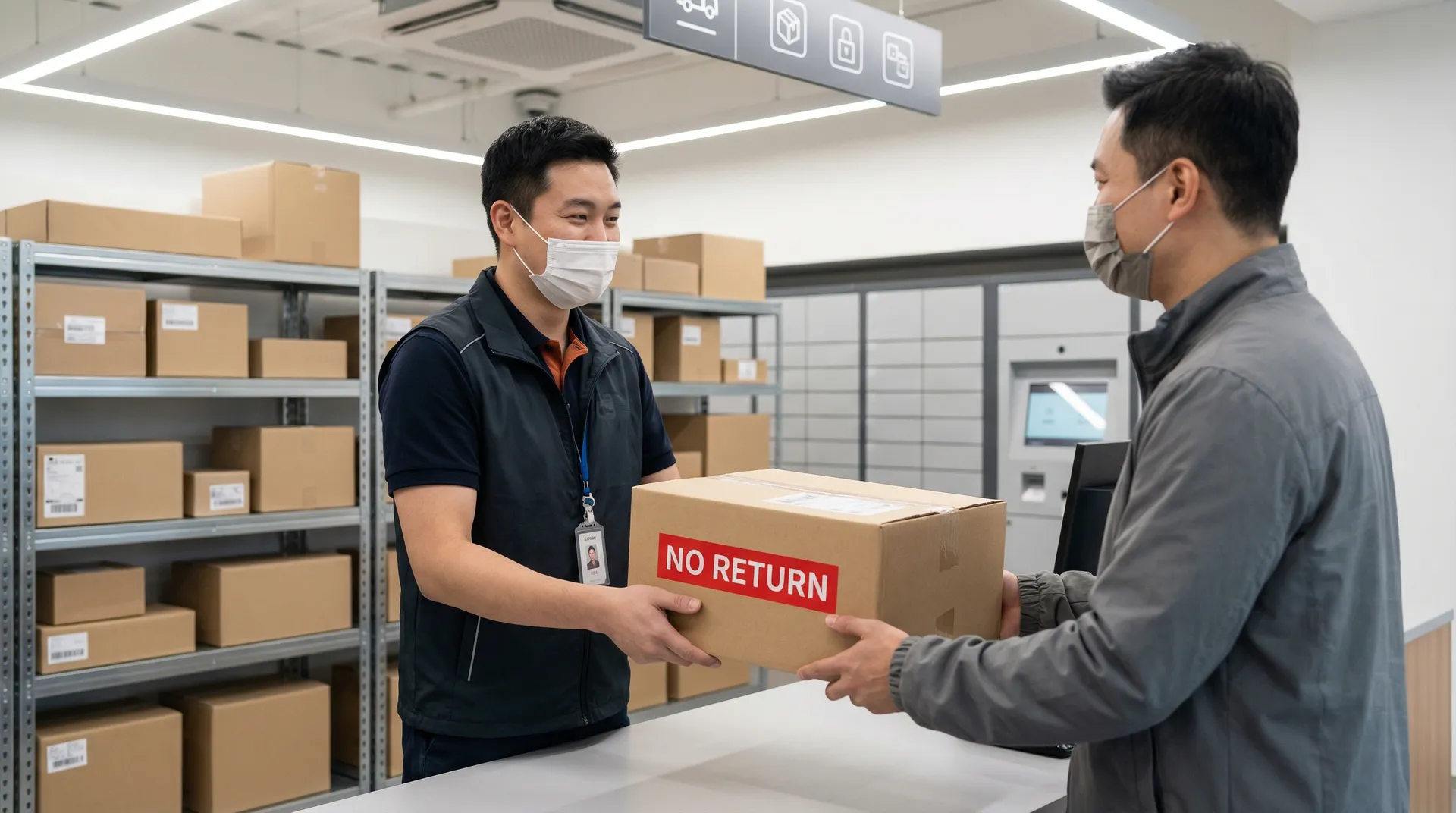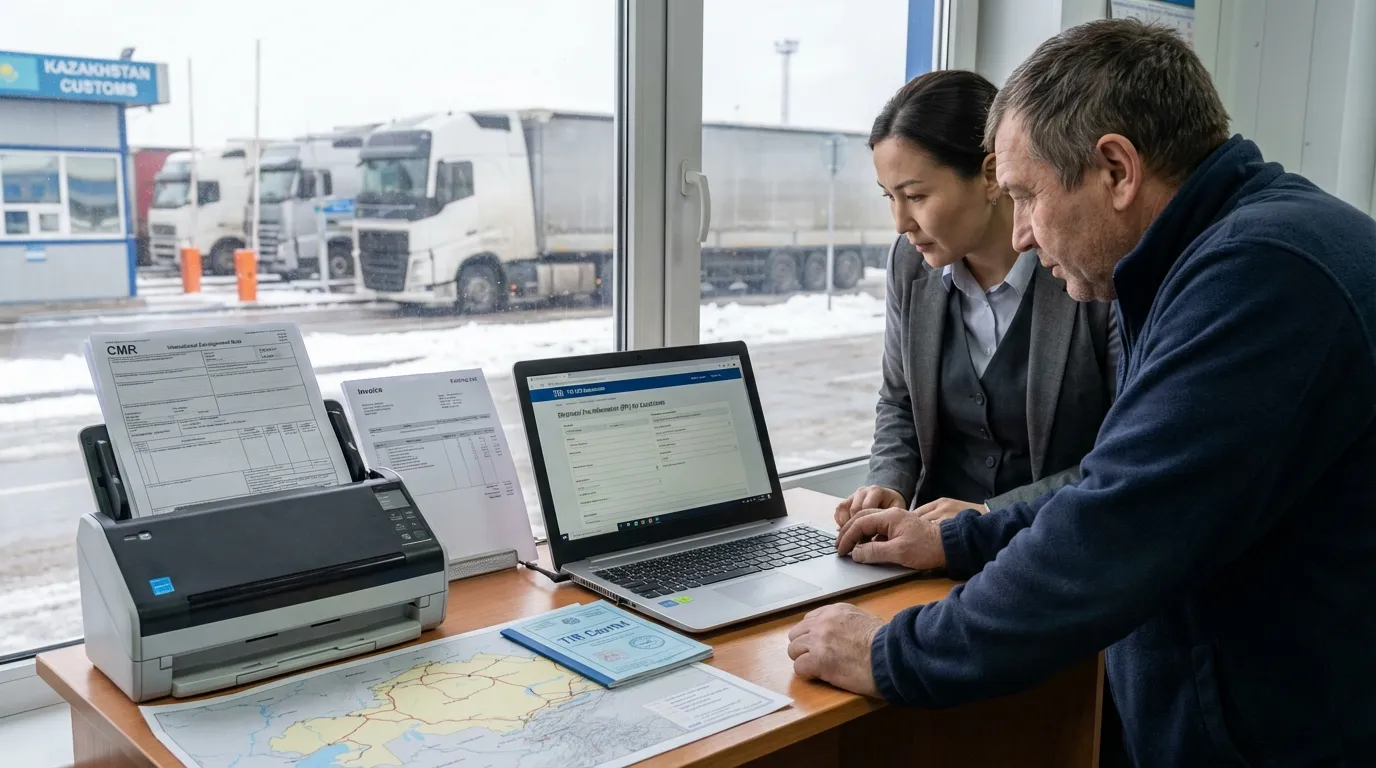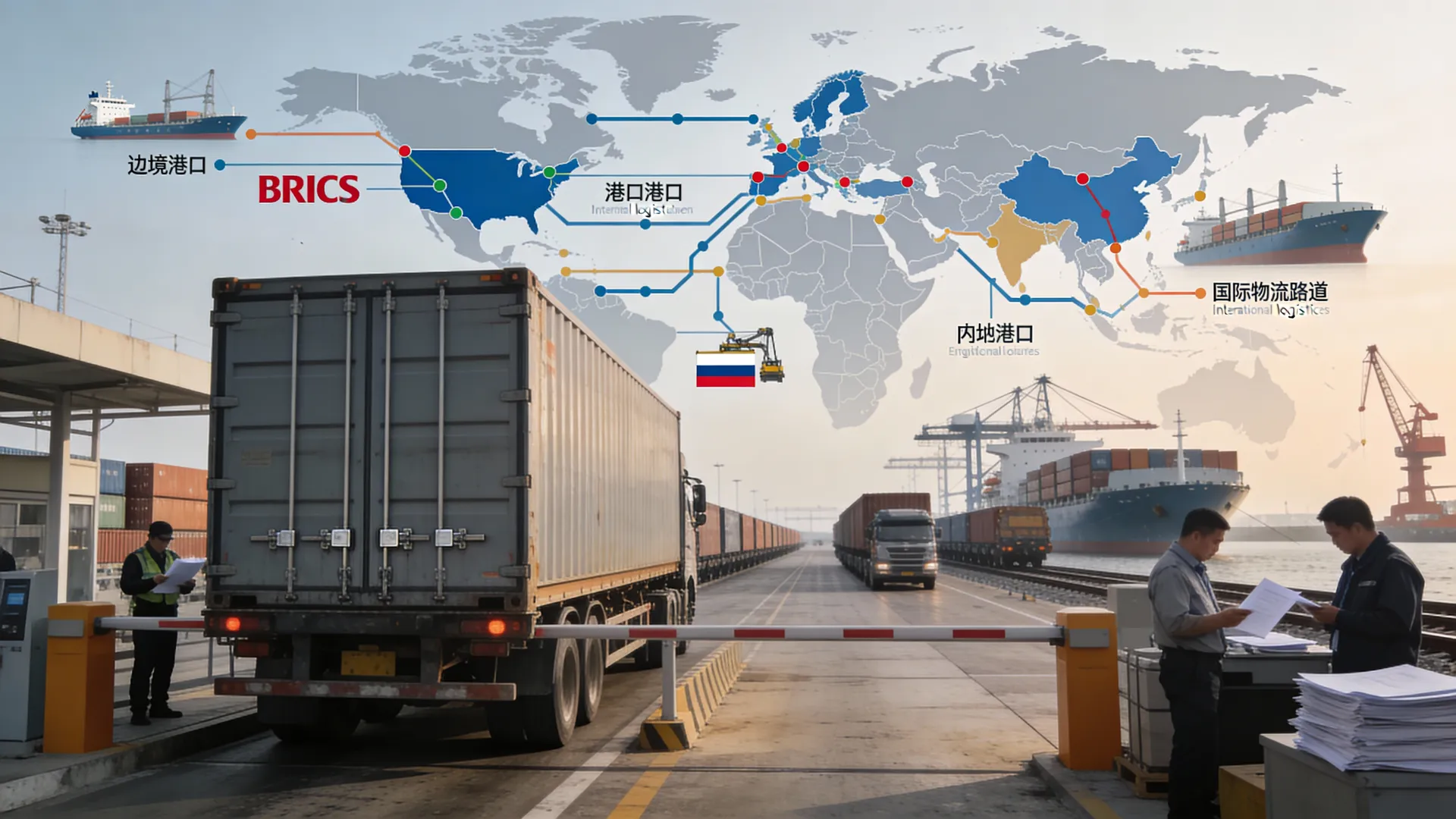
On February 28, 2026, the Russian Government issued a package of resolutions No. 202-205, which simultaneously addresses several "contours" of mandatory labeling and traceability. For foreign economic activity and logistics, this means updating the regulations for working with data in GIS monitoring, clarifying deadlines and expanding the control perimeter for individual product groups.
Resolution No. 202 amends Resolution No. 1993 on the experiment on labeling certain types of electronic products. The experiment itself, in the current version No. 1993, ended on 02/28/2026, and the documentary "framework" of the project set the composition of information on the commodity unit and the list of authorized bodies, including the Ministry of Industry and Trade, the Federal Customs Service and the Federal Tax Service. This is important for importers of electronics: the correctness of attributes and the combination of "marking code — declaration — release" directly affects the speed of customs release and further turnover in distribution.
Resolution No. 203 changes Resolution No. 678 on labeling non-alcoholic beer. The market has been preparing for instant EDI traceability since March 1, 2026, and the project under discussion explicitly laid down an approach in which the obligation to transmit instantaneous information applies to products manufactured since March 1, 2026. This setting reduces the operational burden on turnover participants during the sale of batches released earlier, and reduces the number of "technical discrepancies" in the UPD during mass shipments. For importers, this means separate control over production dates, correct aggregation, and discipline on documents in the temporary storage warehouse and in the 3PL.
Resolution No. 204 corrects Resolution No. 620 on the experiment on labeling certain types of medical devices. According to business reports, the experiment was extended and the list of product groups was expanded. For foreign economic activity supplies of medical products, this increases the requirements for the quality of master data: classification, registration certificates, series and batches, and a bundle with permits. Warehouses receive the additional task of separate storage and accounting, while transport logistics receives the task of transferring statuses without delay between chain participants.
Resolution No. 205 is stated as amendments "to certain acts of the Government of the Russian Federation" and forms a single layer of harmonization of rules between different product lines. For businesses, the practical meaning of such "package" amendments usually lies in the unification of terms, information structures, roles of participants, exchange procedures with GIS, and grounds for control. Participants in foreign economic activity should take this as a signal to revise internal regulations: who is responsible for the product card, who is responsible for coding, who is responsible for EDI, who is responsible for customs clearance and release for domestic consumption.
What should foreign trade and logistics participants do now
- Audit the product data for the affected groups: date of manufacture, units of measurement, codes, packaging composition, signs of import.
- Update the EDI schemes: UPD routes, rules for filling in codes, error control before shipment.
- Set up warehouse operations for individual accounting where it is enabled by stages: acceptance, aggregation, relocation, selection.
- For imports, fix the verification procedure "marking code — DT — release — commissioning" as a mandatory quality control.