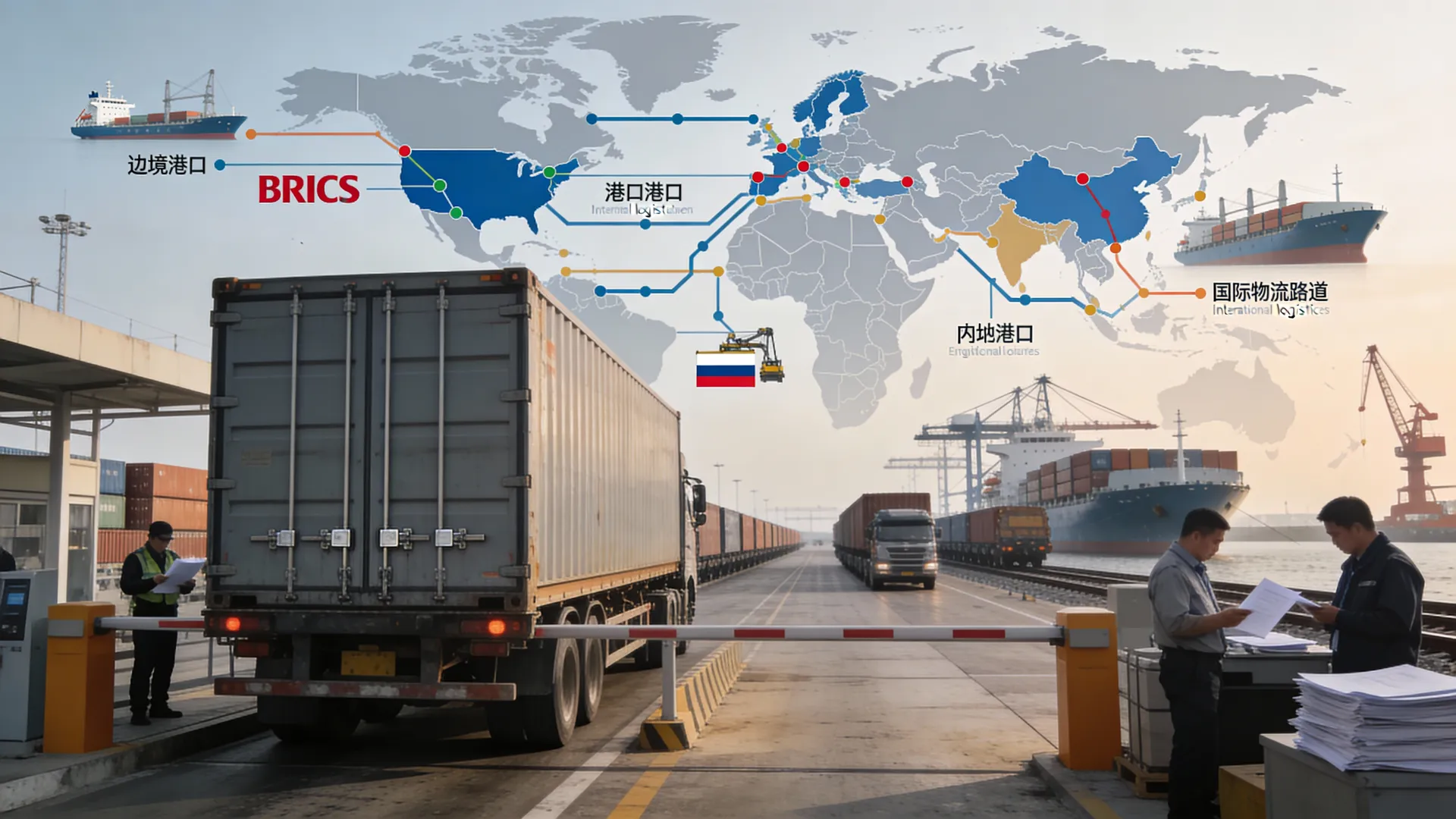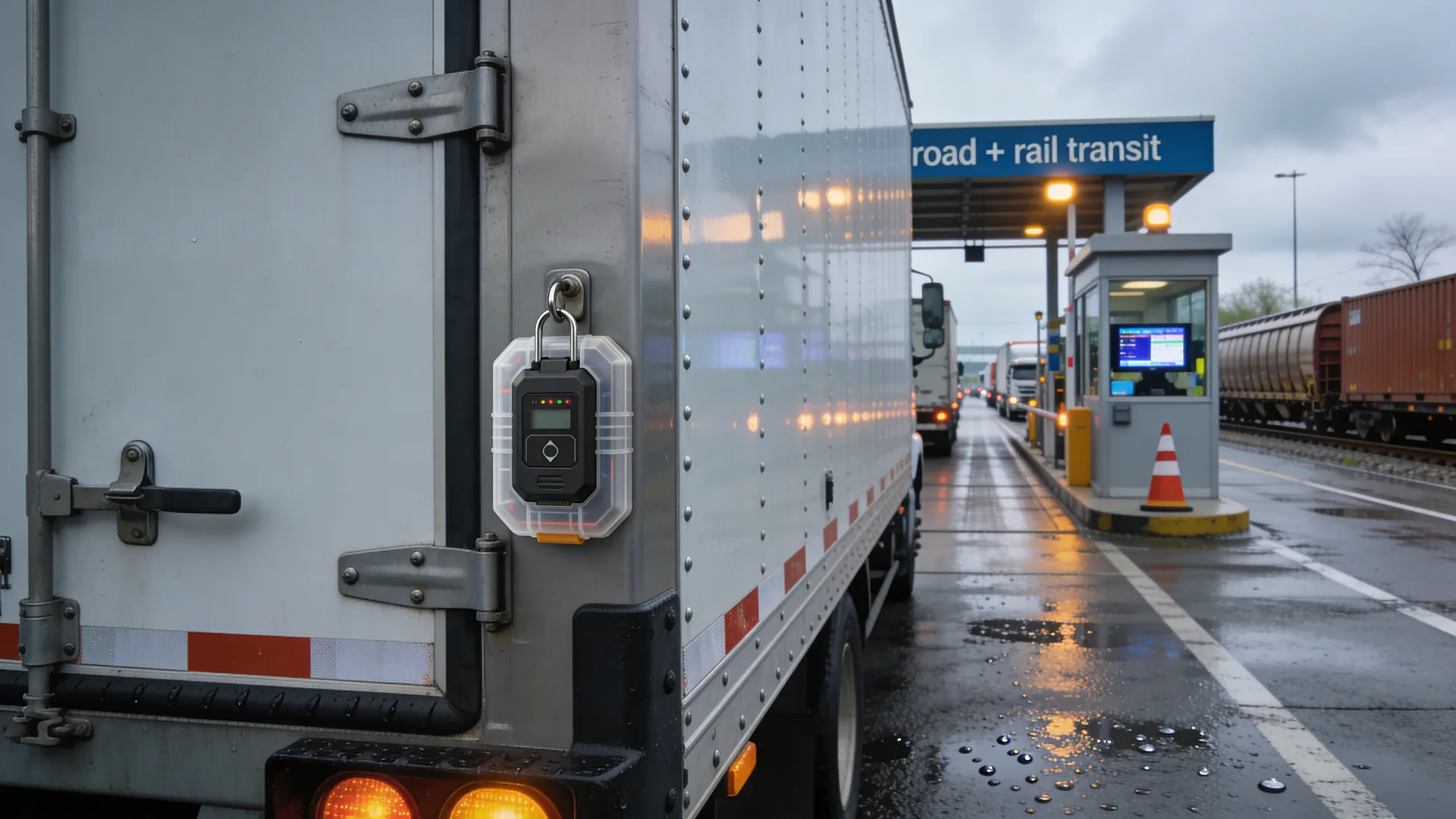
The Government Commission on Legislative Activity has approved a draft law that gives the government the right to establish the procedure for the use of navigation seals in international road and rail transportation across Russia. The draft lists separately the future regulatory elements: lists of goods, cases of mandatory use of seals, as well as conditions when transportation can proceed without tracking.
For participants in foreign economic activity, this means a transition to more formalized control of transit flows for sensitive commodity groups. It is the scope of authority that is important to the market: after its introduction, the government will be able to introduce requirements for product categories and routes faster without long cycles of amendments to basic laws. This affects transportation planning, compliance budgeting, and the choice of logistics schemes for high-risk shipments.
The key point of the bill is the digitalization of control. Vladimir Gruzdev directly links the initiative to the creation of a legal framework for electronic seals and remote monitoring. Its wording sets the vector: "The Government of the Russian Federation will be authorized to determine which goods should be sealed with navigation seals, in which cases their use is mandatory, and when transportation can be carried out in a simplified mode."
This is turning into a new norm of operational discipline for carriers and forwarders. There will be requirements for the installation and safety of seals, for procedures for responding to events in transit, and for data transmission. The risk zone is changing for the cargo owner: a sealing incident can stop the chain and create unplanned costs for downtime, re-registration and route renegotiation.
The potential effect on customs procedures is described in Gruzdev's commentary as a transition to real-time monitoring: "The amendments reduce the risks of illegal turnover of goods, and may also speed up customs procedures in the future, as the path of each cargo will be tracked in real time. The draft law is aimed at creating a smart digital corridor in Russia."
A practical conclusion for businesses in the coming month: prepare a matrix of product groups and routes where seals may become mandatory, then estimate the cost of implementation per shipment, then update the SLA with carriers and forwarders on incidents, device battery, telemetry transmission and responsibility for depressurization. This set of steps reduces the likelihood of expensive supply chain shutdowns.