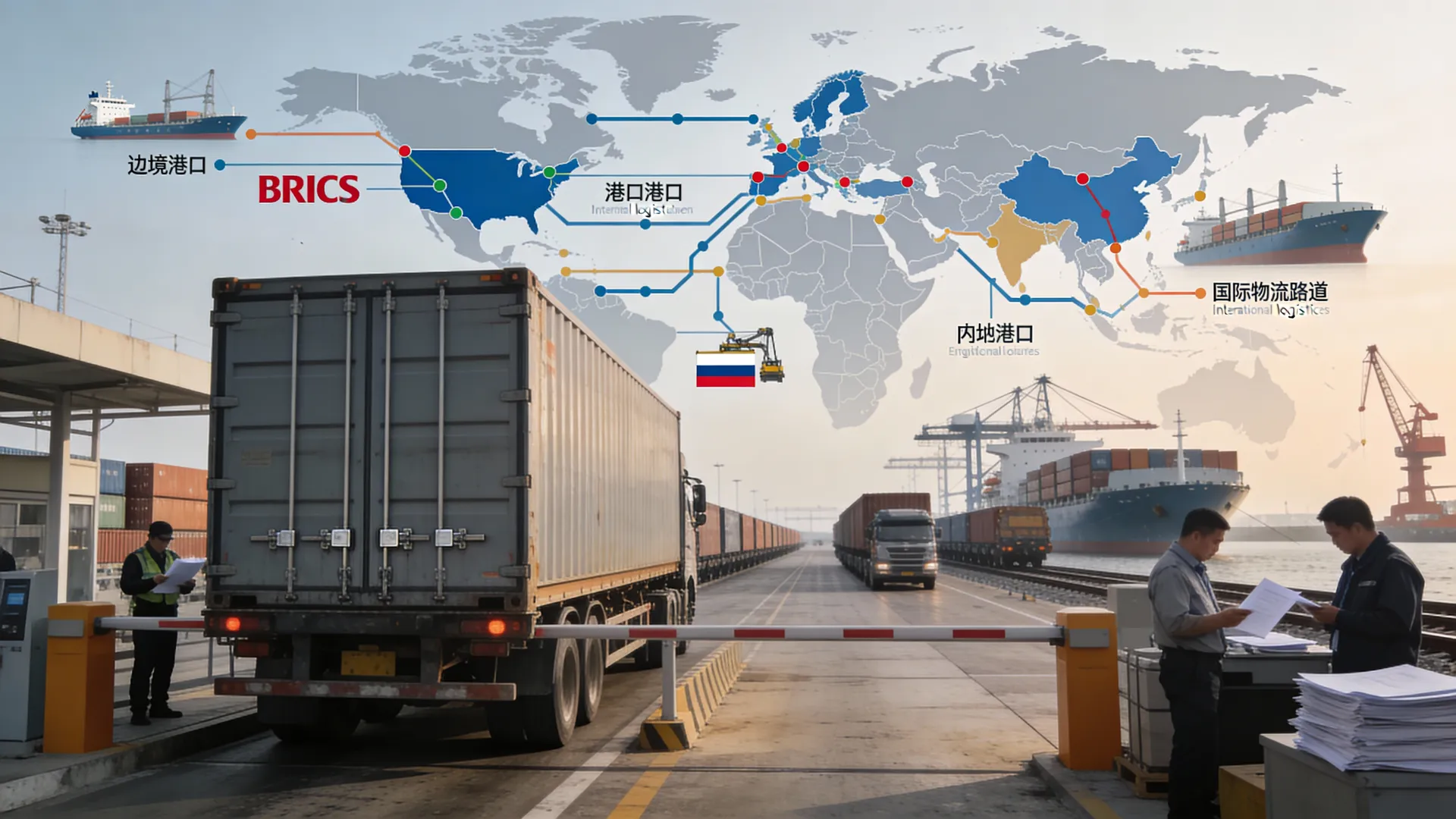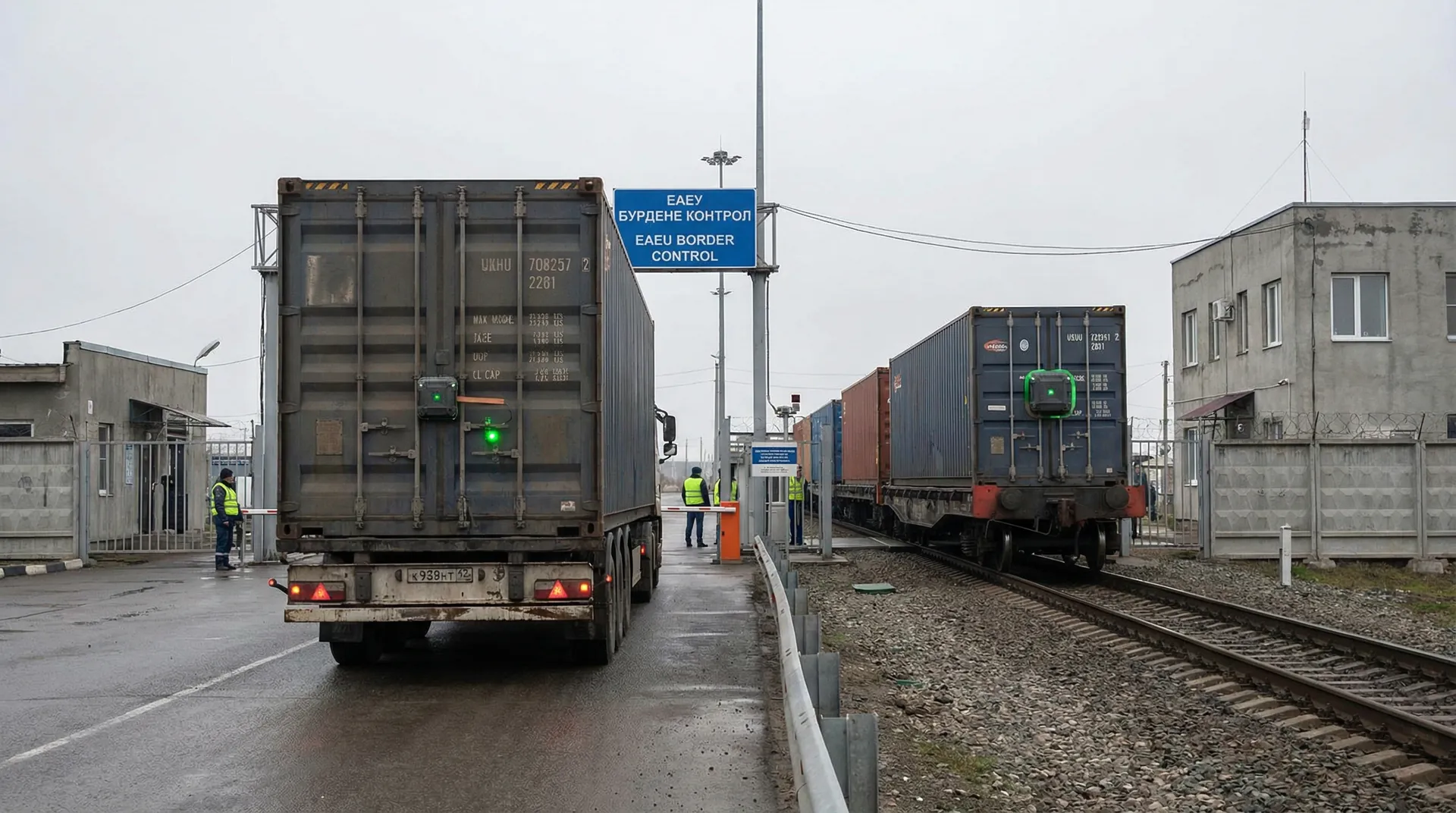
Logistics within the Eurasian Economic Union is entering a new regulatory phase. Starting from February 11, 2026, the EAEU states will launch a mandatory mechanism for tracking cross-border traffic using navigation seals. The decision affects road and rail cargo transported between two or more countries of the Union, and actually changes the approach to transit control.
Navigation seals are becoming not just a technical device, but an element of the digital architecture of foreign economic activity. Their task is to ensure continuous monitoring of the route, to exclude unauthorized opening of the cargo and to minimize the risks of substitution of goods. For regulators, this is a tool to combat gray schemes; for businesses, it is a new mandatory procedure that requires a review of logistics processes.
It is important to emphasize that this is not a point experiment, but rather the implementation of an interstate agreement within the framework of the Eurasian Economic Union. The tracking mechanism is being implemented in stages, but from February 2026 its application becomes mandatory for certain categories of shipments and goods.
At the first stage, shipments with increased fiscal and regulatory risks, primarily alcohol and tobacco products, come under control. It is these product groups that are traditionally in the area of increased attention of customs authorities due to the high proportion of violations and sensitivity to illegal trafficking.
The issue of practical implementation is becoming key for carriers and shippers. It is necessary to determine in advance whether a specific delivery meets the requirements of the Agreement, organize interaction with the national sealing operator and integrate the procedure for installing and removing seals into the operational chains. Errors at this stage can lead to delays, additional checks, and increased costs.
The multimodal nature of transportation within the EAEU creates additional complexity. The navigation seal must maintain control over both the road and rail arms of the route, and the data must be accessible to all authorized authorities of the transit countries. This increases the requirements for carriers' IT systems and the level of digital maturity of market participants.
In fact, the EAEU is moving towards a model of "transparent transit", where trust between states is replaced by digital control. For bona fide companies, this may mean speeding up border crossings and reducing the number of inspections. For those who do not prepare for the new requirements, there is a risk of supply disruptions in the first months of 2026.