Russia is preparing an exemption from recycling when importing machinery under certain customs procedures
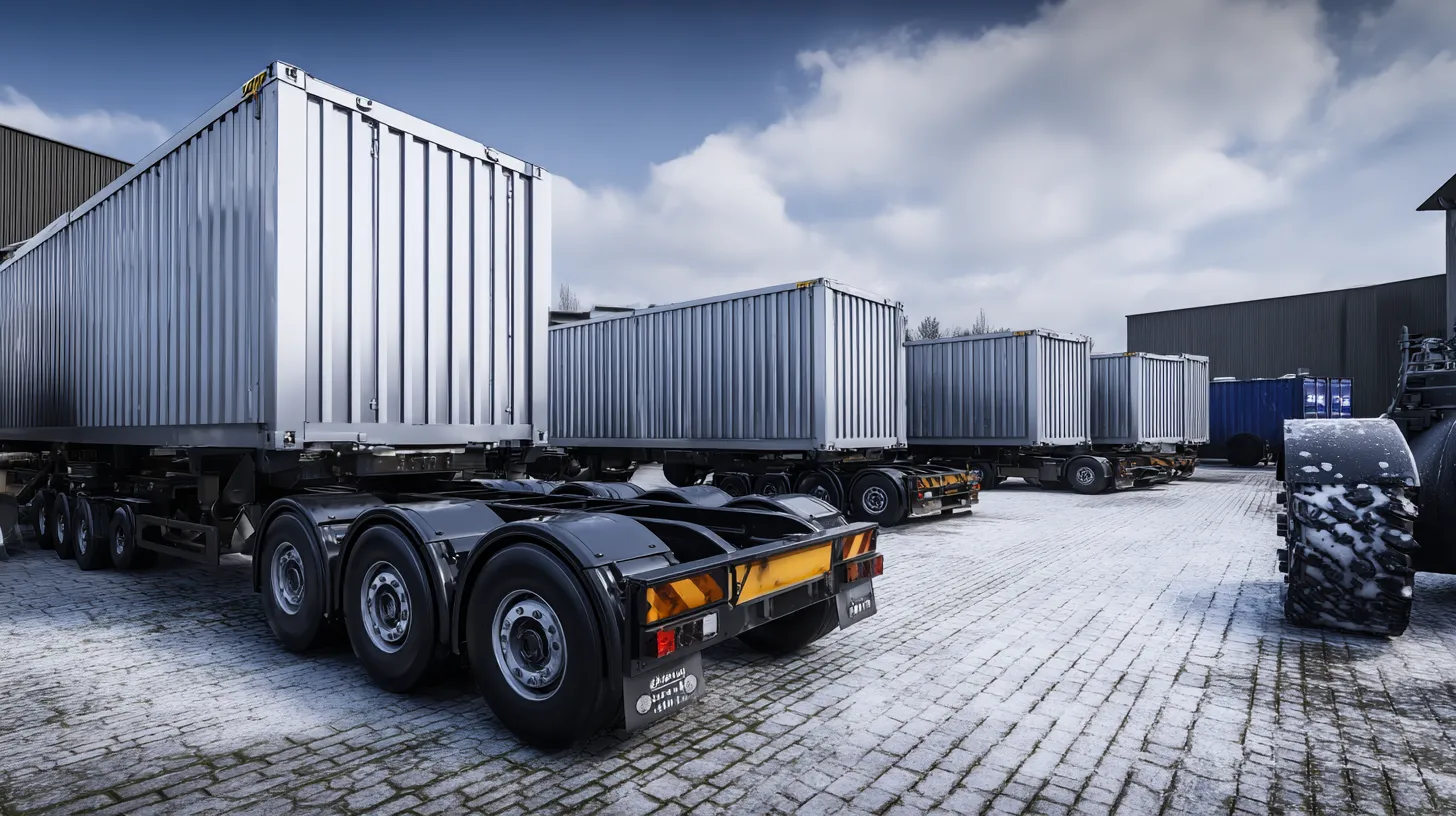
A bill has been submitted to the State Duma that proposes to exempt a number of categories of vehicles imported into Russia under separate customs procedures from paying the recycling fee. We are talking about chassis, self-propelled vehicles, and trailers placed under customs warehouse, free warehouse, and processing regimes in the customs territory. These changes are intended to eliminate contradictions between the current legislation and the actual practice of industrial production.
Today, the absence of special exceptions in the law "On Production and Consumption Waste" creates a number of restrictions for enterprises working with transport equipment. In particular, companies face problems in the formation of stocks of components, preparation of production cycles, as well as in carrying out modernization and repair work. According to current regulations, recycling is required even in cases where the product is not actually put into civil circulation and is used in the production process.
The draft law proposes to eliminate this imbalance by ensuring the economic feasibility of applying customs procedures that were originally developed to support industrial enterprises.
The Government views the initiative positively, but allows for its further development. In particular, it is emphasized that the current procedure for a free warehouse already provides for the possibility of using equipment without paying for scrap. Additional clarification is required on the range of payers in cases where equipment is transferred to third parties for processing or other operations.
The proposed amendments are significant for companies operating in the vehicle assembly and manufacturing segments. Eliminating legal uncertainty will increase the predictability of costs, reduce the financial burden, and ensure the stability of supply chains. Experts note that the changes will also support the localization of production and stimulate the modernization of machinery in the country.