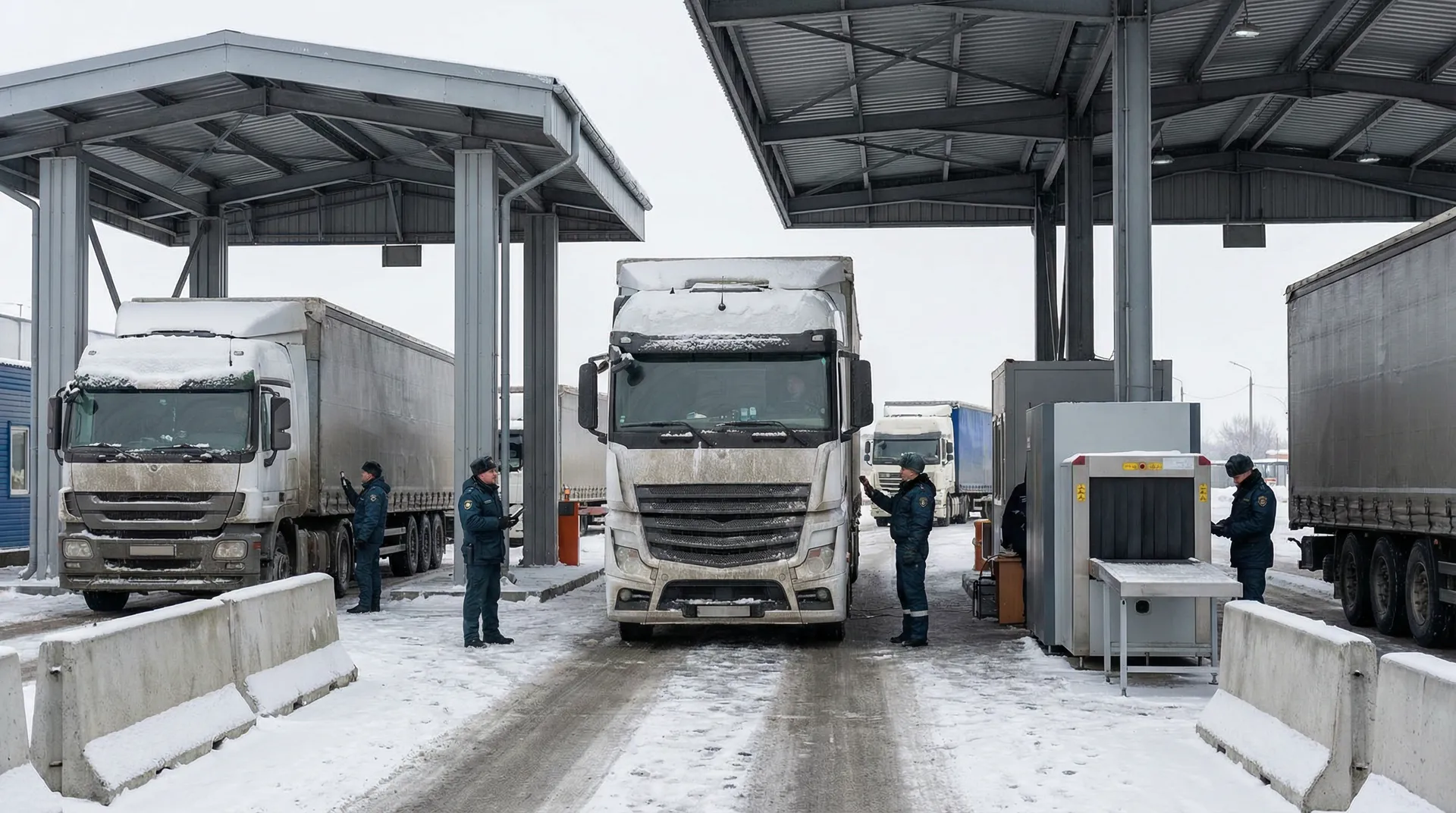
On the eve of the holidays, Russians are faced with an unusual increase in the delivery time of foreign parcels, which is not limited to the traditional seasonal rush. Both major players in international logistics and domestic firms note that the delivery time of goods from abroad has increased significantly compared to last year, which affects cross-border trade processes and e-commerce practices.
Representatives of well-known operators, including Russian Post, CDEK.Shopping, PEC and DPD reported that the main reason for the delays was a multiple increase in the volume of shipments during sales and New Year holidays, which traditionally complicates the work of logistics chains. But this season, the situation has also been affected by tighter customs controls and weather conditions in a number of regions.
According to the comments of the Federal Customs Service, as such, there are no delays in the registration of goods at domestic posts, and the processes take place within the established deadlines. Customs notes that the increasing flow of international parcels requires work optimization, including an increase in the number of shifts and a temporary reallocation of resources.
"Many large e-commerce platforms use the mail channel for international delivery, and during the high season, it is possible to increase the delivery time from abroad," explains a CDEK representative.Shopping.
Industry experts attribute the increased delays to the increase in online trading and the complexity of customs procedures around the world. According to the analytical company INFOLine, the Russian e-commerce market grew by 37% by the end of 2024, reaching 11.3 trillion rubles, and the share of cross-border online purchases also continues to grow, exceeding significant figures in volume and frequency.
Alexander Mityukov, President of the Association of Transport, Logistics and Postal Courier Companies (MAKS), notes that the change in the customs control regime leads to longer checks, which, together with a large number of shipments, increase the overall travel time.
Comparative statistics show that for a number of product categories, the delivery delay has doubled or more, which is especially noticeable for orders of electronics, household appliances, clothing and shoes. At the same time, the share of foreign platforms and marketplaces such as Ozon Global, which handle millions of goods from China and Turkey, also records isolated but significant delays, reflecting the overall burden on global routes.
As a result, market participants note the strategic advantage of Russian-made goods, which are delivered faster due to the availability of stocks in local warehouses, minimizing delivery time to the end user.
Among the factors contributing to the slowdown in logistics, there is also a queue at the border with Kazakhstan and adverse weather conditions at key transit hubs, reflecting the vulnerability of international supply chains during peak periods.