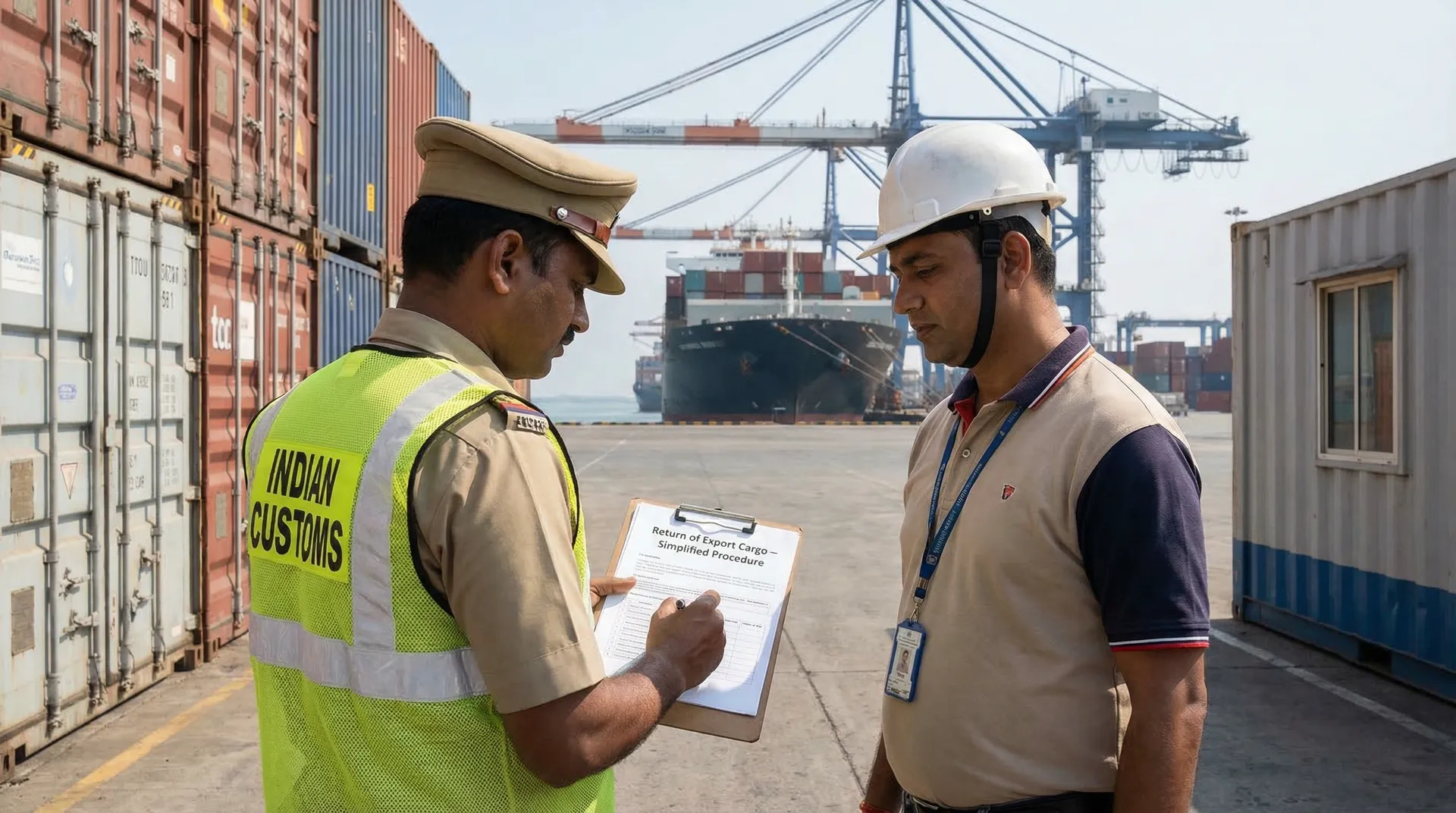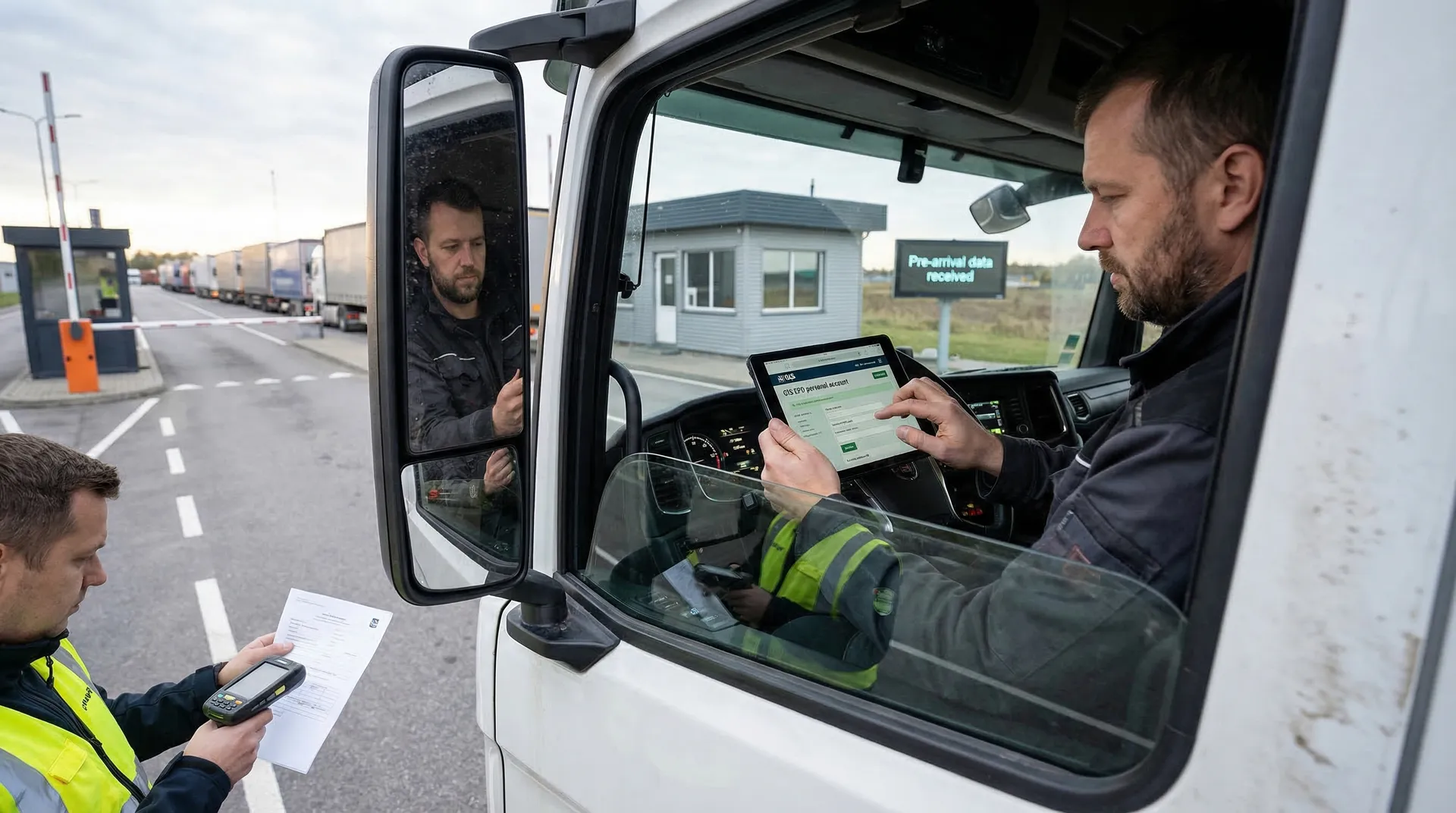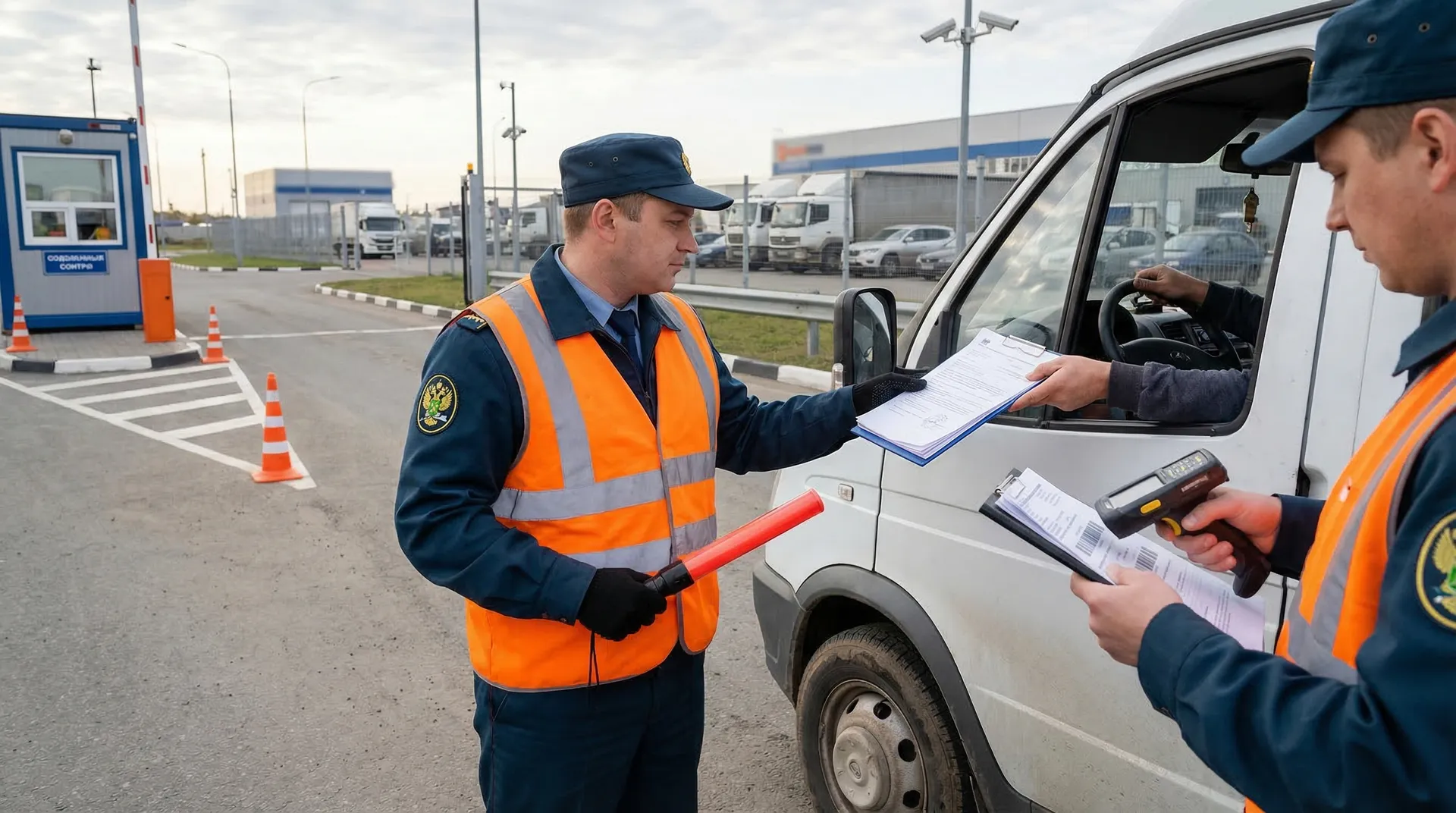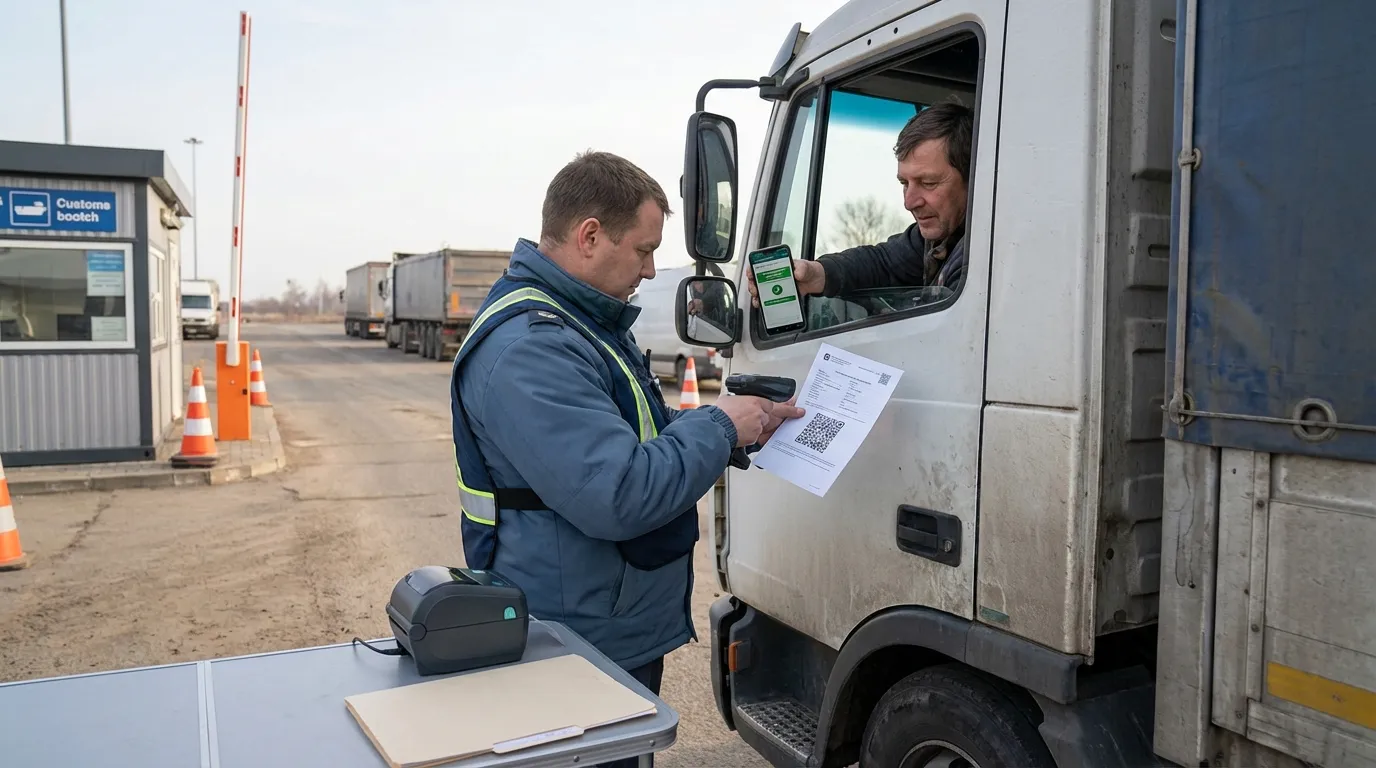
The import of goods from the EAEU countries by road is moving to a new management logic. Starting from April 1, 2026, a national confirmation system for waiting for goods, SPOT, will be launched in Russia. It introduces advance notification of each shipment and links the delivery to a digital identifier that is checked at the border.
The essence of the changes is simple for business and tough for the operational circuit. The importer forms a document on the upcoming delivery (DPP) in the information system of the Federal Tax Service, does this in advance, transmits the QR code to the carrier and ensures that the information matches the shipping documents. The Federal Tax Service explicitly specifies the mandatory elements of the mechanism:
"The SPOT provides for the mandatory submission of a document on the upcoming delivery (DPP)... assignment of a QR code."
The system is being introduced in stages. A test mode is in effect until the end of June, where the business runs the process without a security payment. From July 1, 2026, the operating mode begins, and the key mechanisms are fully activated. The FTS page contains a rule on the deadline for submission:
"DOPP introduces himself... 2 days before crossing the border by car."
The most sensitive block for foreign economic activity companies is a security payment. It becomes a financial guarantee for the payment of indirect taxes on imported goods. In operating mode, the system reserves the amounts, after which the applicant is given a QR code that confirms the right of import.
The participants in the process are divided into roles. The applicant is responsible for the correctness of the DPP, timely submission, and transmission of the QR code to the carrier. The carrier must have a QR code at the entrance and present it upon request. In operating mode, the absence of a QR code becomes a direct reason for not allowing the car. This changes the distribution of responsibility in the "exporter — importer — forwarder —driver" chain: errors in data turn into downtime at the border and overspending on storage, as well as the risks of disrupting the delivery schedule.
What should the business do now, while the trial period is underway:
- assign the person responsible for creating the DPP and monitoring the status via the QR link;
- synchronize data on goods, codes, cost and documents with the exporter before sending the machine;
- update contracts with carriers and forwarders, prescribe the obligation to have a QR code and the procedure for dealing with an error in the status;
- include in the financial plan a possible reservation of funds for a security payment starting in July.
SPOT forms a new pre-export standard for imports from the EAEU via an auto channel. The market will receive more transparency on supplies and stricter data discipline at the pre-border crossing stage.