Starting from March 1, 2026, Russia is changing the rules: permits for dangerous goods will become fully electronic and centralized.

Starting from March 1, 2026, a new procedure for issuing special permits for the transportation of dangerous goods by road will come into force in Russia. The document developed by the Ministry of Transport is aimed at deep digitalization and centralization of procedures, as well as increasing the level of control in the field of high-risk transportation.
The key change will be the transfer of authority to issue all permits to one federal agency, Rostransnadzor. This will eliminate discrepancies between regions, ensure a unified approach to inspections, and increase the predictability of administrative procedures. At the same time, the validity period of permits has been increased to one year, which reduces the burden on carriers and reduces the number of repeated requests.
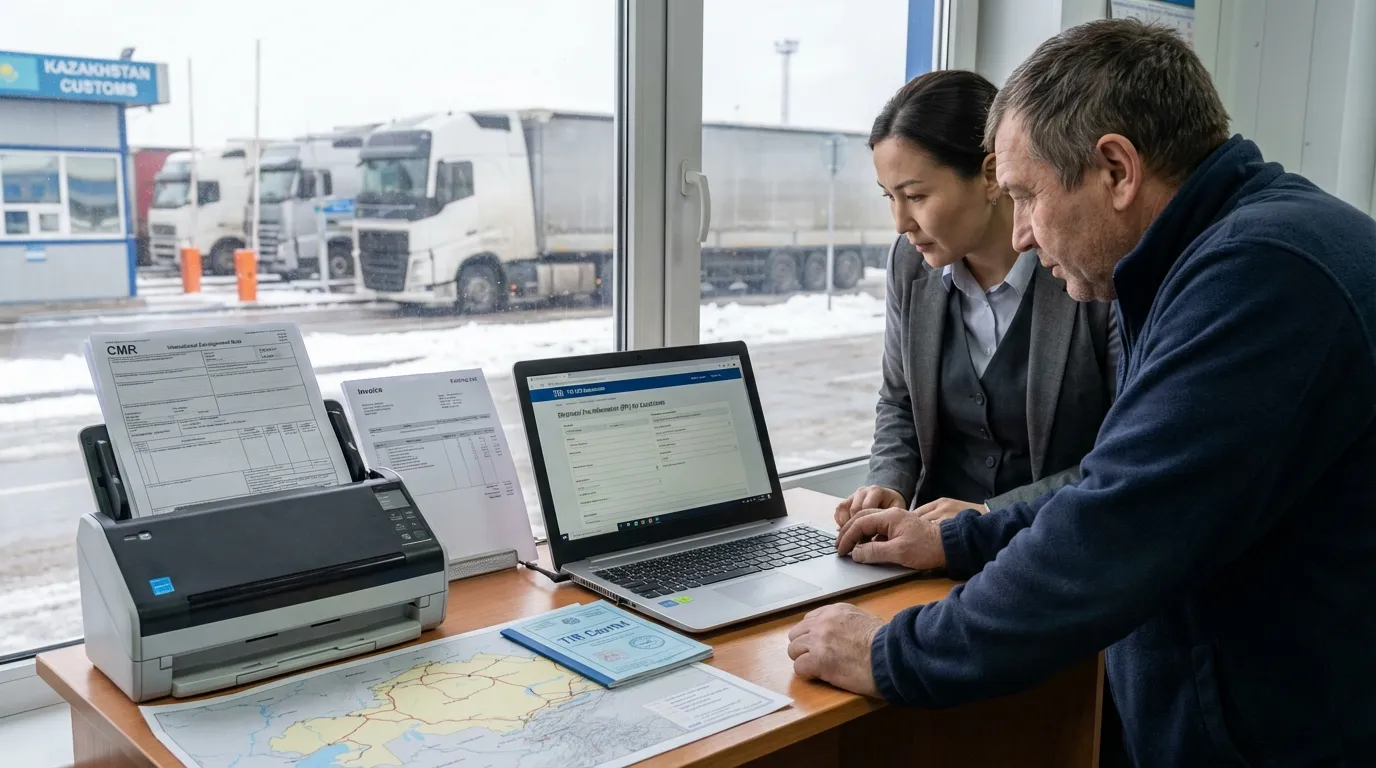
Special attention is paid to the transition to electronic document management. All permissions and related information will be recorded in a single digital registry. The ADR certificate, a key document for the transport of dangerous goods, is now provided in the form of an electronic record, and the paper form will be retained only for international transport, where it is required by the rules of other States.
The procedures for approving routes have also been streamlined. The new regulation introduces a clear list of reasons for refusal, standardizes the process of establishing permanent routes, and eliminates the need for additional local approvals. Companies will be able to set routes in advance and get checked faster.
Market experts point out that digitalization will reduce the likelihood of errors, speed up obtaining permits, and allow the state to strengthen control over the transportation of chemical, flammable, and other hazardous materials. At the same time, industry companies will receive transparent and stable operating rules, which is especially important in the context of increasing traffic and stricter security requirements.
It is expected that the new procedure will minimize administrative risks, reduce the costs of logistics operators and increase road safety. The registry functionality and the application service through the carrier's Personal Account will be supplemented and expanded by the time of launch.