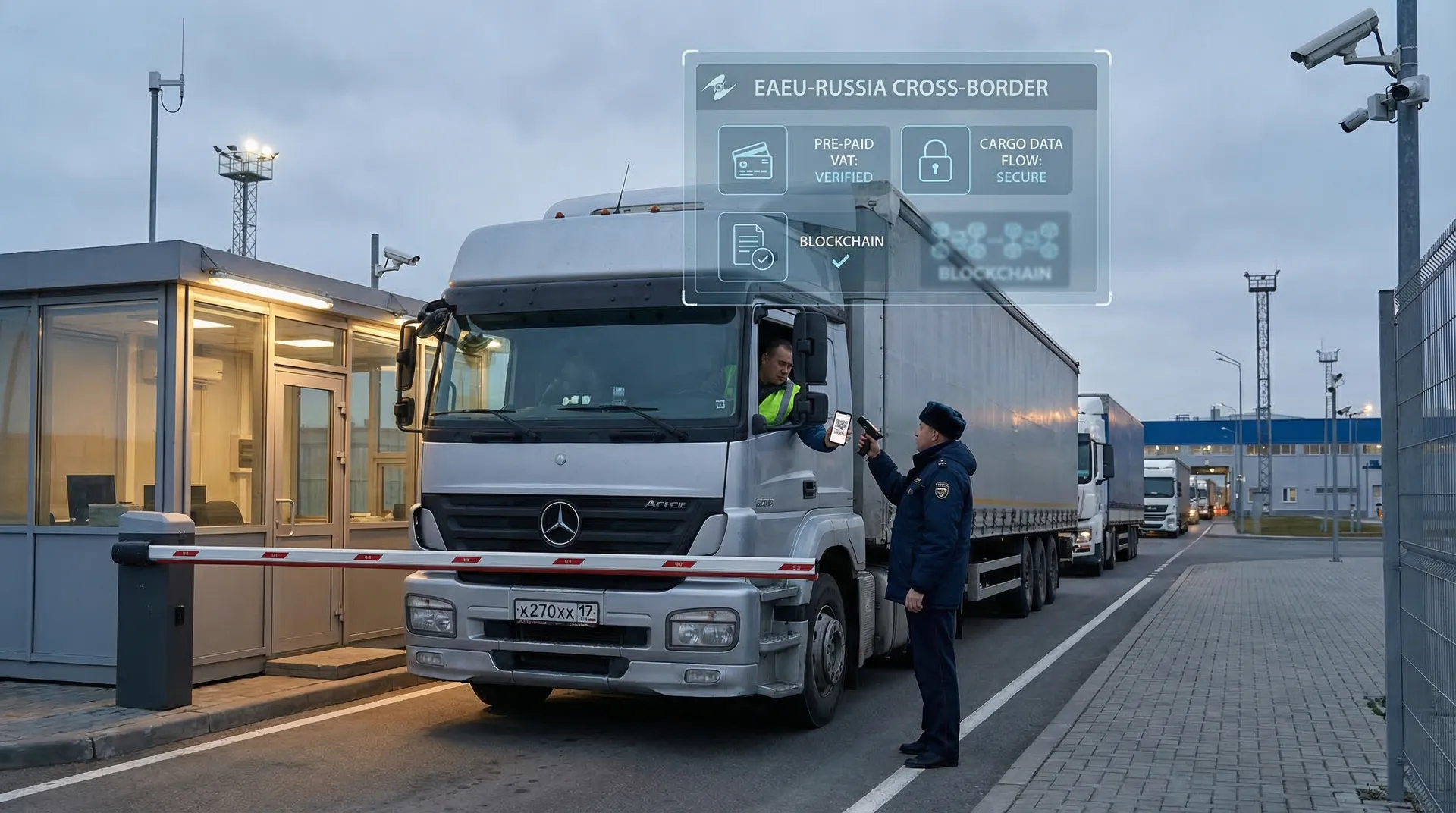
Starting from October 1, 2026, changes will come into force in the EAEU, which directly affect the daily work of declarants and logistics services working with container transportation. The Board of the EEC clarified the rules for filling out the declaration for goods: the update concerns subparagraph 29 of paragraph 15 of the procedure for filling in the declaration and, in fact, fixes a single format for describing containers in column 31 "Cargo spaces and description of goods".
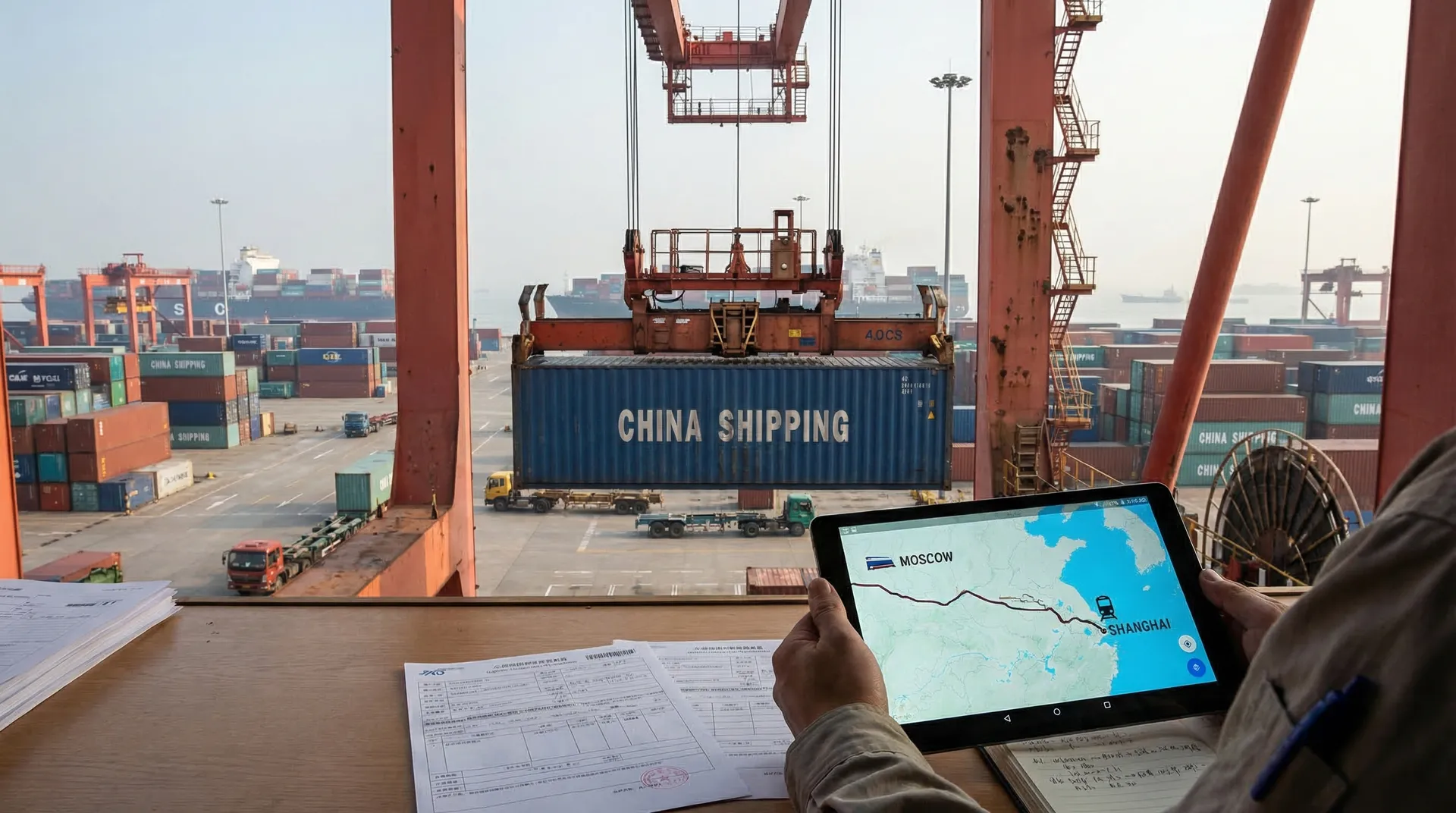
The main practical change is the composition of information number 3 for goods transported in containers. Now you need to specify the number of containers, the container identification number (for ISO 6346, an 11—digit number), container size codes, and container type code. For electronic declaration, this data goes to the appropriate details of the ED structure, and for paper declaration it is written strictly in a predetermined sequence: quantity, then through the ":" identifier, then through the "-" codes of the size and type of container.
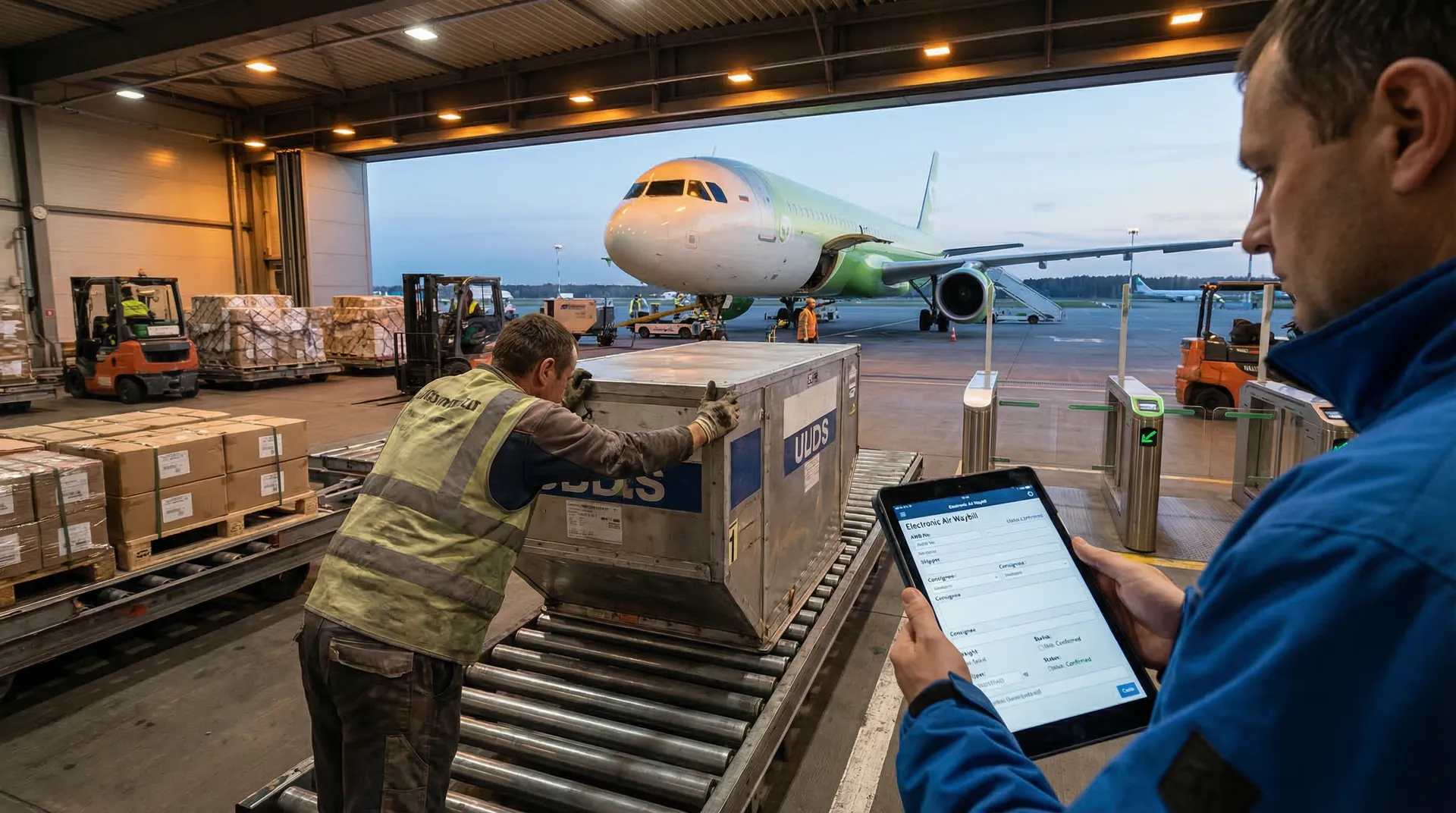
An important caveat for aviation is recorded separately: if the goods are transported in containers by air, information about the size of the container is not indicated. This removes some of the questions from those who work with air cargo and use specialized ULD containers, where "marine" size codes are often not applicable.
For businesses, the effect will be noticeable in three places. The first is document preparation: templates and reference books in WMS/TMS/ERP need to be formatted so that container attributes do not "fall" into free text and are not lost when uploaded to the database. The second is data quality control: an 11-digit number according to ISO 6346 will become a verifiable parameter, and errors in one digit will begin to lead to clarifications more often. The third is interaction with the carrier and the forwarder: data on the type and size of the container will have to be obtained in advance and verified before submitting the data, especially on multimodal routes.
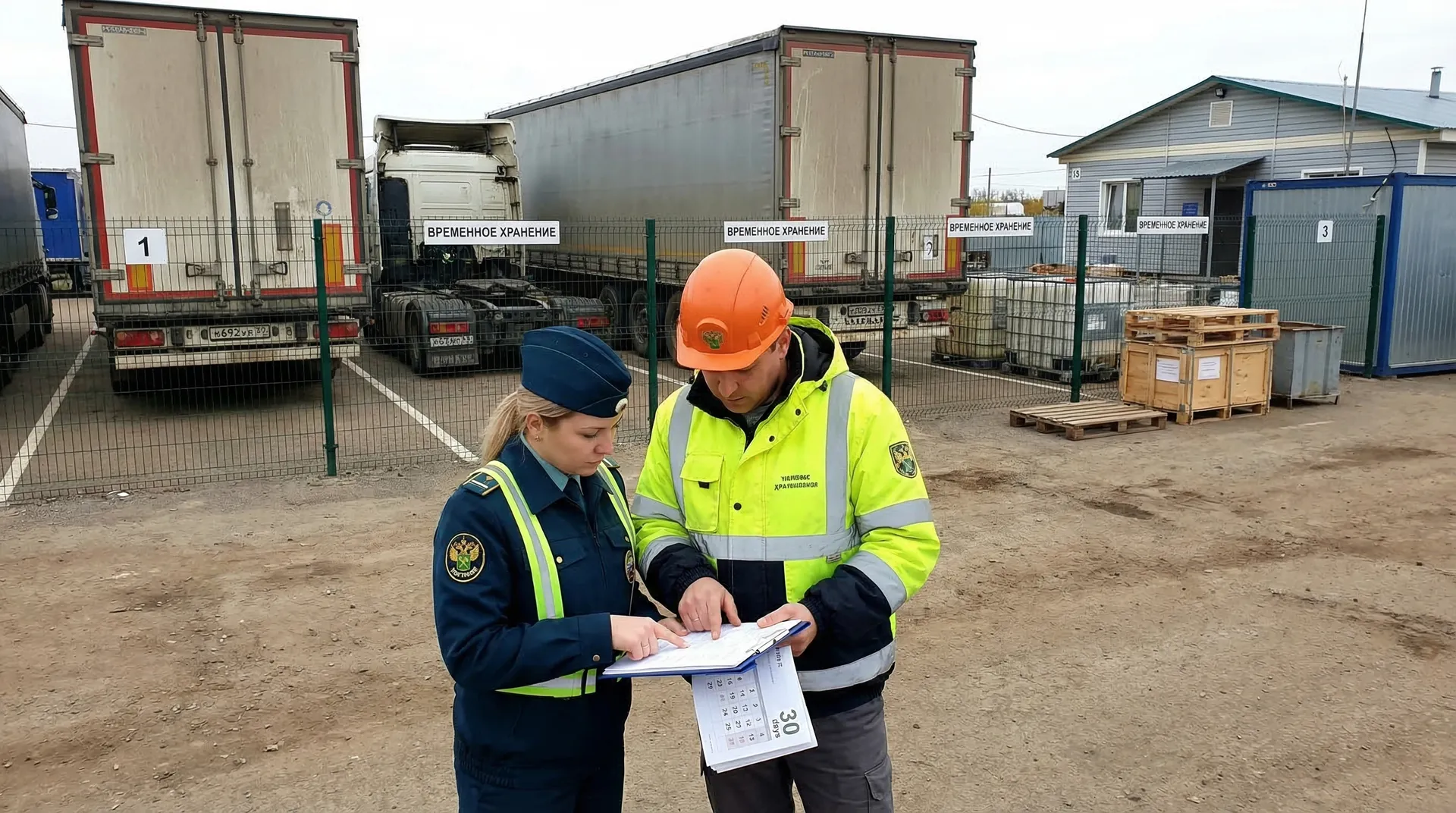
Until October 1, there is time to calmly reassess the regulations: who fills in the container fields, where the source is taken, how the control is carried out, and what to do if the container changes on the route. Those who build this circuit in advance will have a lower risk of delays at the release stage.