Trade and economic cooperation between Russia and China continues to demonstrate stability and growth, despite external constraints and changing global logistics. The volume of mutual trade between the two countries has exceeded the $200 billion mark for the third year in a row, which confirms the systemic nature of the economic partnership.
This was announced by Chinese Ambassador to Russia Zhang Hanhui, commenting on the results of bilateral cooperation in January–November of this year.
"In January–November of this year, the trade turnover amounted to 203.67 billion US dollars and has exceeded 200 billion dollars for the third year in a row," the Chinese diplomat said.
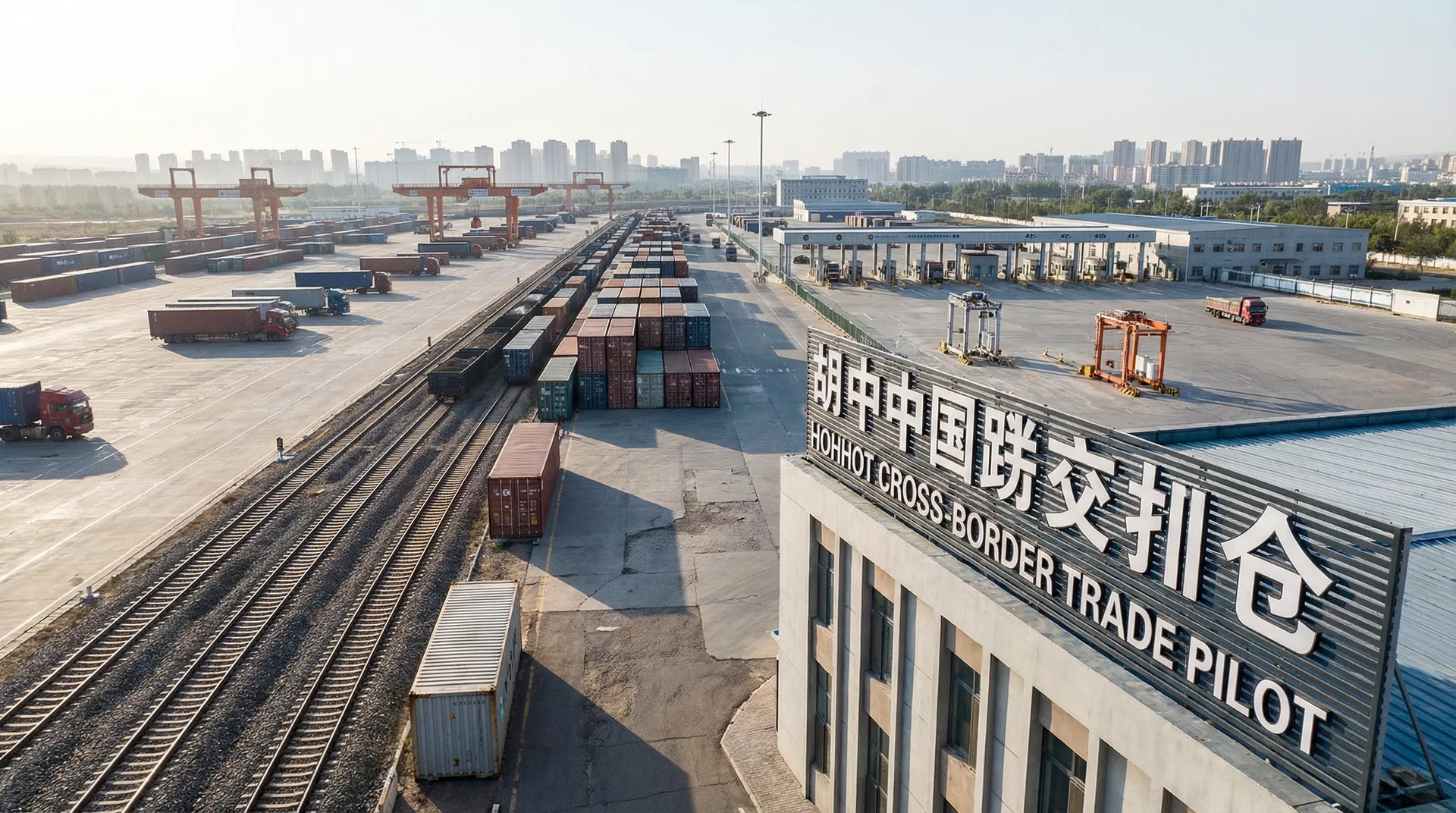
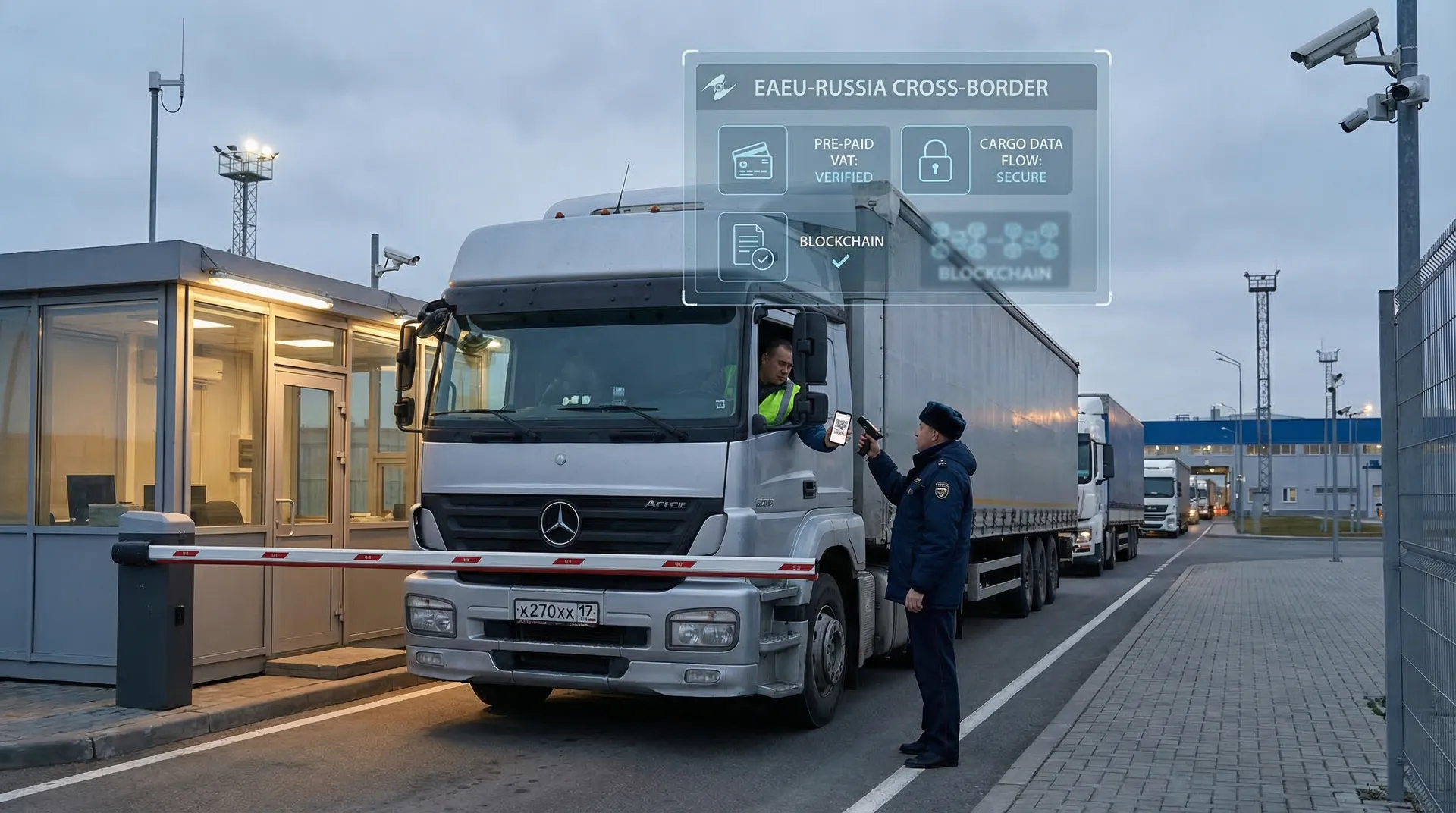
According to him, the growth of trade indicators is accompanied by the development of transport and logistics infrastructure, which directly affects the speed and stability of commodity flows. In particular, cargo turnover through key border crossings has increased significantly.
"Cargo turnover has increased significantly through the Heihe–Blagoveshchensk road crossing and the Tongjiang–Nizhneleninskoye railway crossing," Zhang Hanhui noted.
According to the Ambassador, the launch of new logistics routes focused on Eurasian supply chains deserves special attention. China and Russia are consistently developing alternative transport corridors, reducing dependence on traditional routes.
"The first China-Europe Arctic container express route has been successfully launched," he stressed.
The structure of bilateral trade is also undergoing changes. Previously, raw materials and energy resources formed the basis of trade turnover, but today the range of supplies is significantly expanding. Supplies of products from the biotechnological and aerospace sectors are growing rapidly, and the number of participants in foreign economic activity is increasing.
The Ambassador also drew attention to the investment activity of Chinese businesses in Russia. According to him, in the first ten months of the year, about 3.3 thousand new enterprises with Chinese capital were registered in the country. At the same time, the legal framework is being improved, which creates more predictable conditions for long-term projects.
Key joint initiatives, including energy projects and Russian gas supplies to China, are being implemented as planned. Foreign economic activity experts note that the stability of trade indicators while simultaneously transforming logistics indicates the transition of Russian-Chinese trade from an adaptive phase to a sustainable model of strategic interaction.