China has consistently transformed BRICS from a political association into a manufacturing ecosystem. The next step in this direction is the expansion of industrial cooperation platforms aimed at partners in the block.
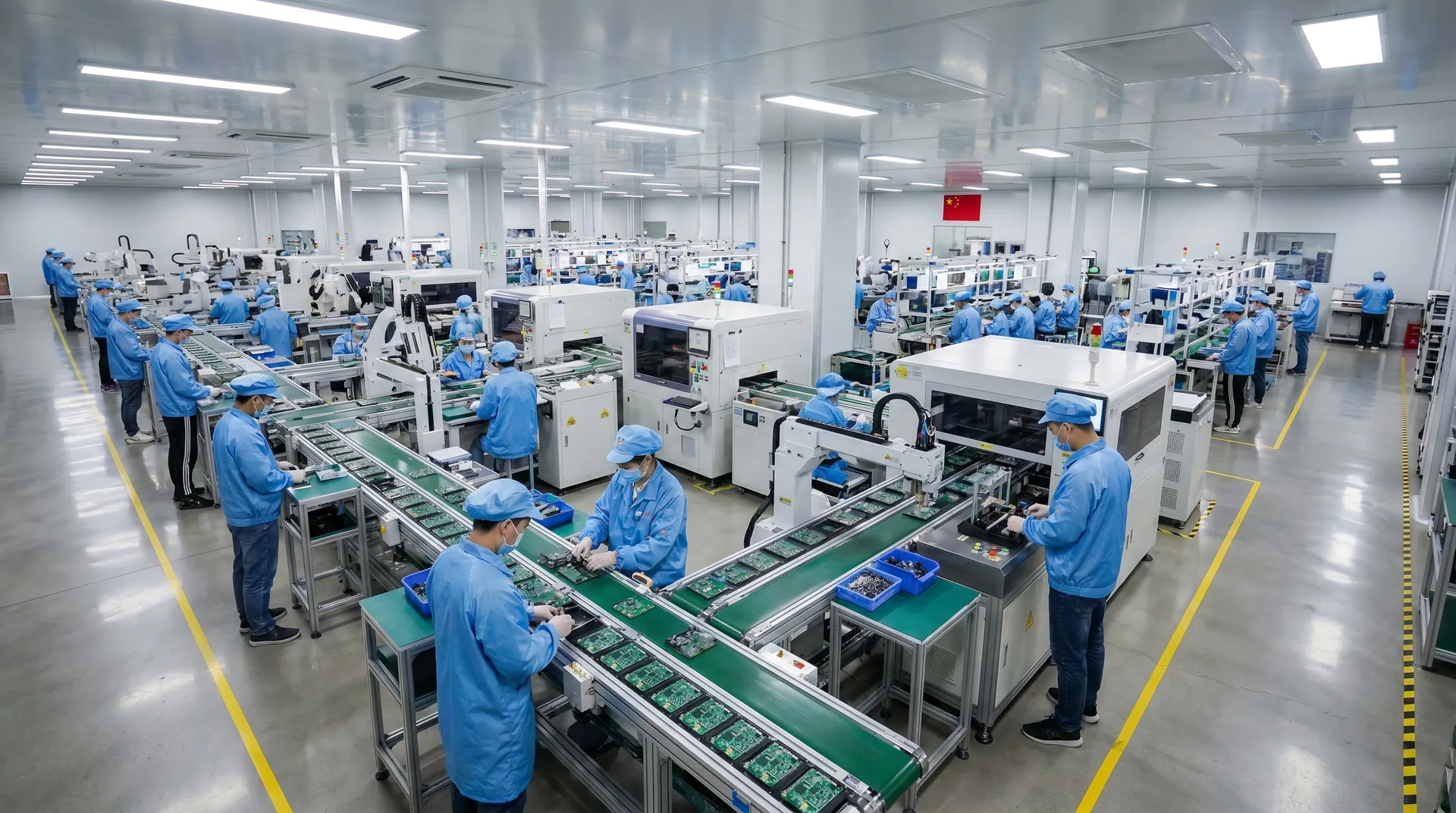
The essence of the initiative is the creation of specialized production areas and technology platforms where companies from the BRICS countries can jointly develop and produce goods. The priority areas are electronics, mechanical engineering, chemistry and green energy.
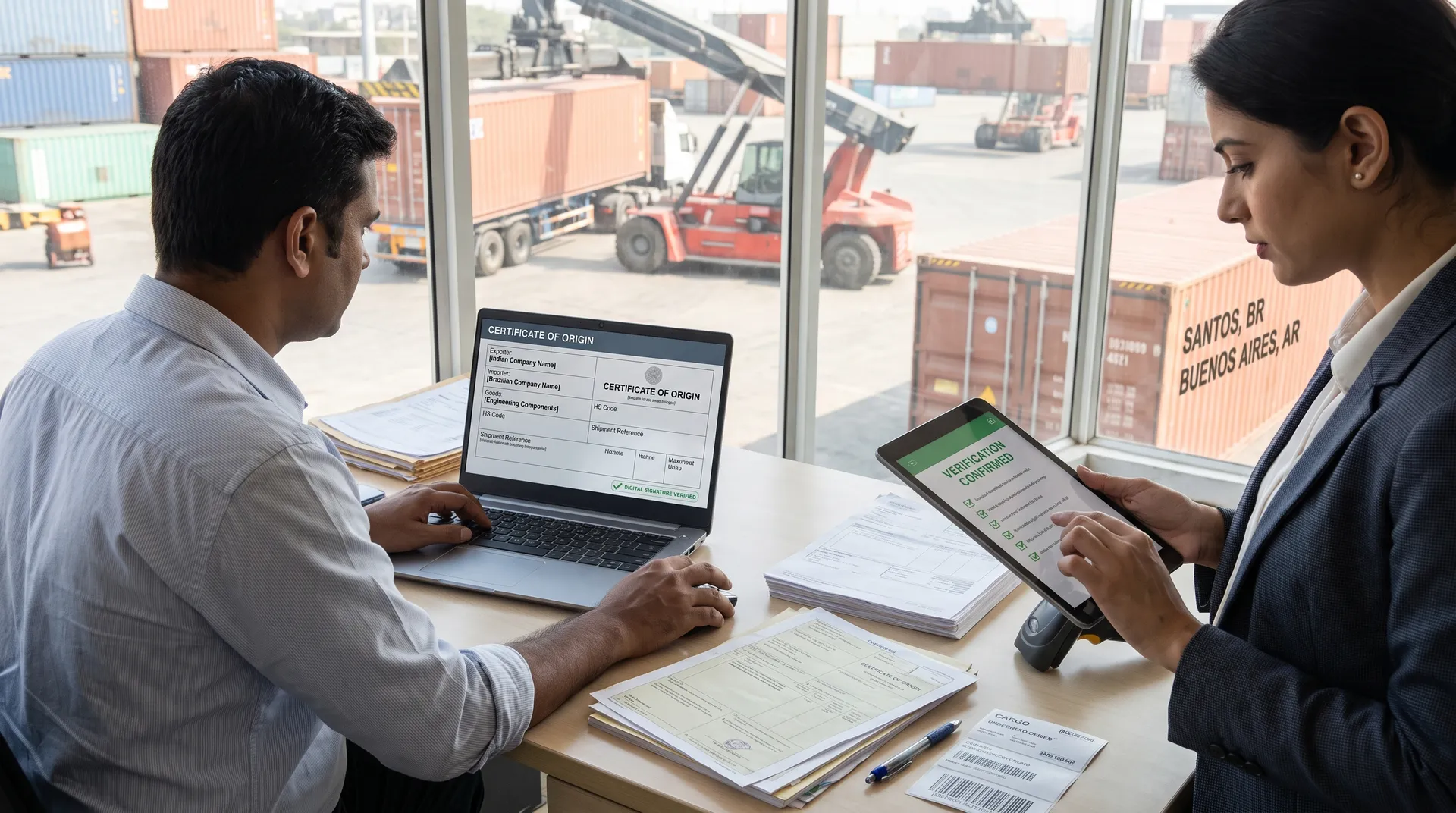
The logic is simple: 70% of the trade turnover within the BRICS already passes through China. But this is mainly trade in finished products — Chinese exports to Russia, India, Brazil. Industrial platforms should shift this model towards co-production. Instead of "China sells, BRICS buys" — "BRICS produces together."
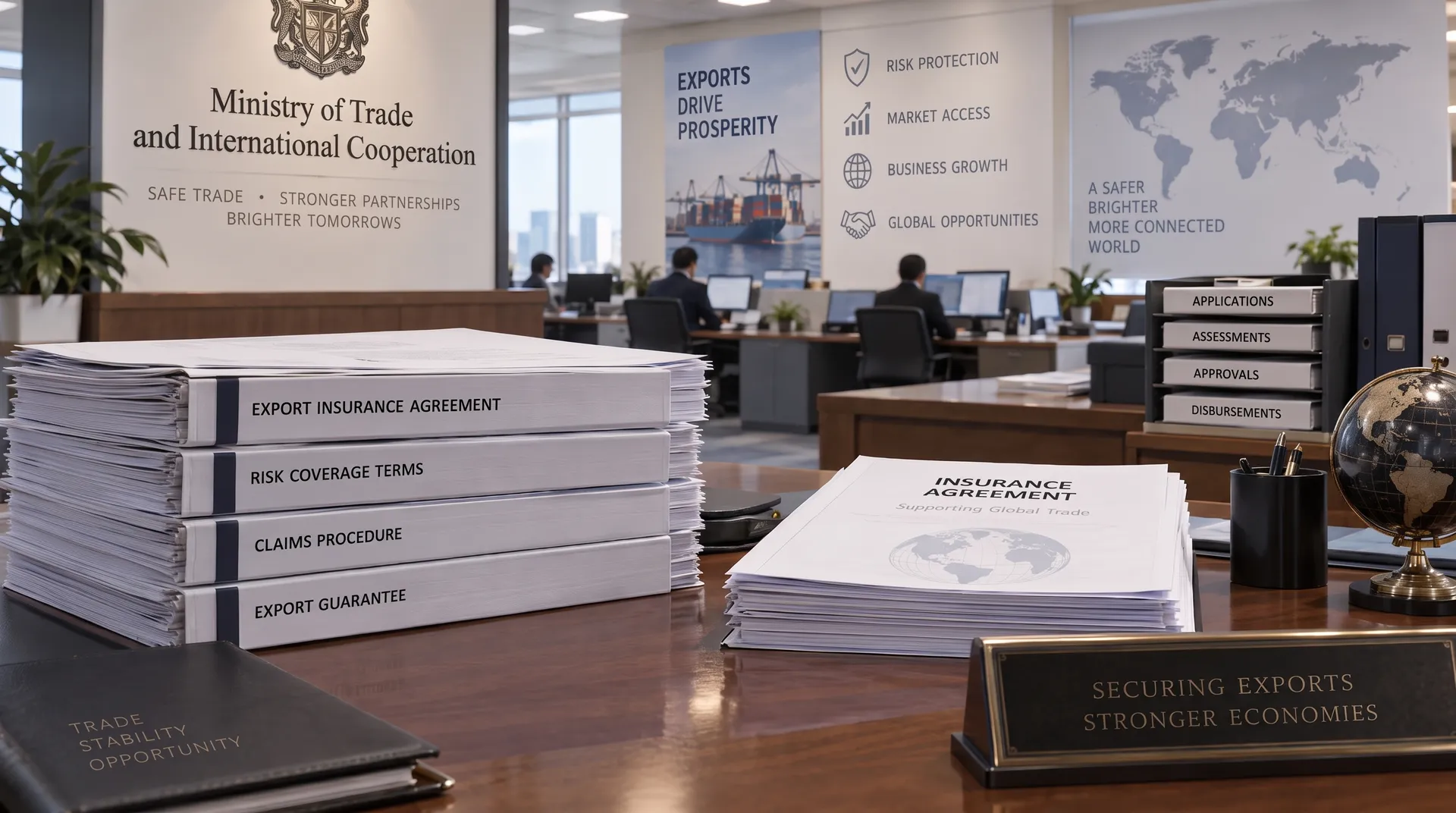
There is a practical interest for Russian companies here. Joint production projects with Chinese partners within the framework of official BRICS platforms have legal protection and can count on preferential financing through the NBR. This reduces the risks compared to the bilateral agreements.
The context is important: in April 2026, Kazakhstan is preparing the first issue of panda bonds, and the NBR is expanding its yuan financing. Industrial platforms complement this financial architecture: there is money, the infrastructure is being built, and now there are sites for industrial cooperation.