Indonesia officially joined the BRICS in early 2025. A year later, her presence on the block begins to produce practical results. The world's fourth most populous country and the largest economy in Southeast Asia is changing the trading architecture of the bloc and opening up new routes for Russian business.
Indonesia has 280 million people, a GDP of about $1.5 trillion and a strategic location between the Indian and Pacific Oceans. When such a country joins BRICS, it changes not only the numbers of the bloc, but also its actual trade routes.
The key question of analysts infobrics.org Q: What exactly does Indonesia bring to BRICS in terms of trade and how does this affect supply chains?
- Firstly, Indonesia is the world's largest producer of palm oil and nickel. Both resources are critically important for the food industry and the production of batteries for electric vehicles. These flows now flow through the BRICS infrastructure.
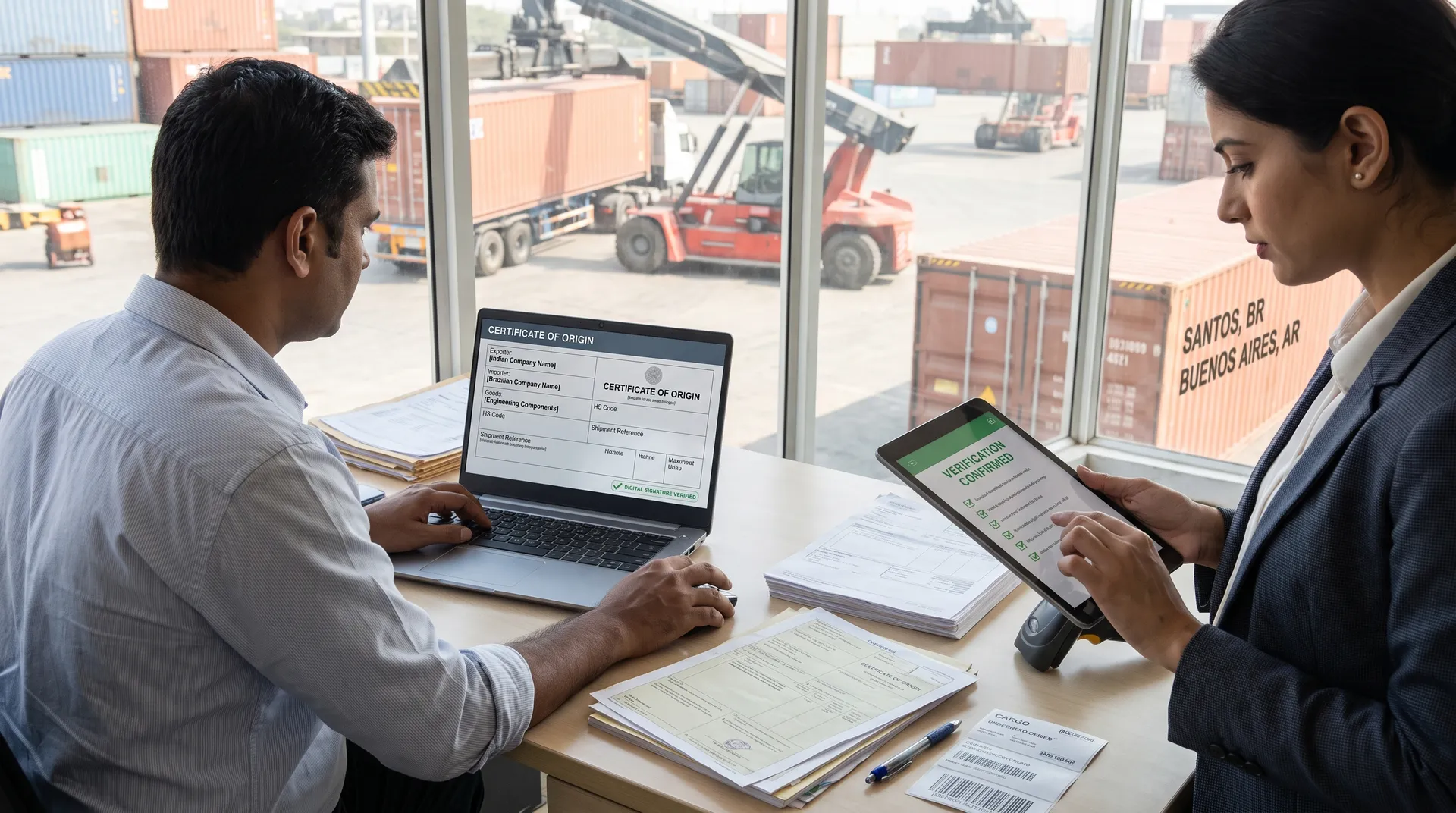
- Secondly, the Indonesian ports of Tanjung Prok in Jakarta and Surabaya handle huge volumes of cargo between China, Australia and the rest of Asia. Indonesia's presence in BRICS means the potential integration of these hubs into the bloc's unified logistics network.
- Thirdly, Indonesia, under Prabowo's chairmanship, is actively building partnerships in the Global South. For Russia, this means a new channel of trade with Southeast Asia through BRICS mechanisms, an alternative to the current schemes through Singapore and Hong Kong.
Indonesia is opening up a new market for Russian businesses with supplies to Asia, with a population comparable to Russia and Brazil combined. And it does this within the framework of the block, where the settlement mechanisms in national currencies have already been debugged and the NBR infrastructure is in place.