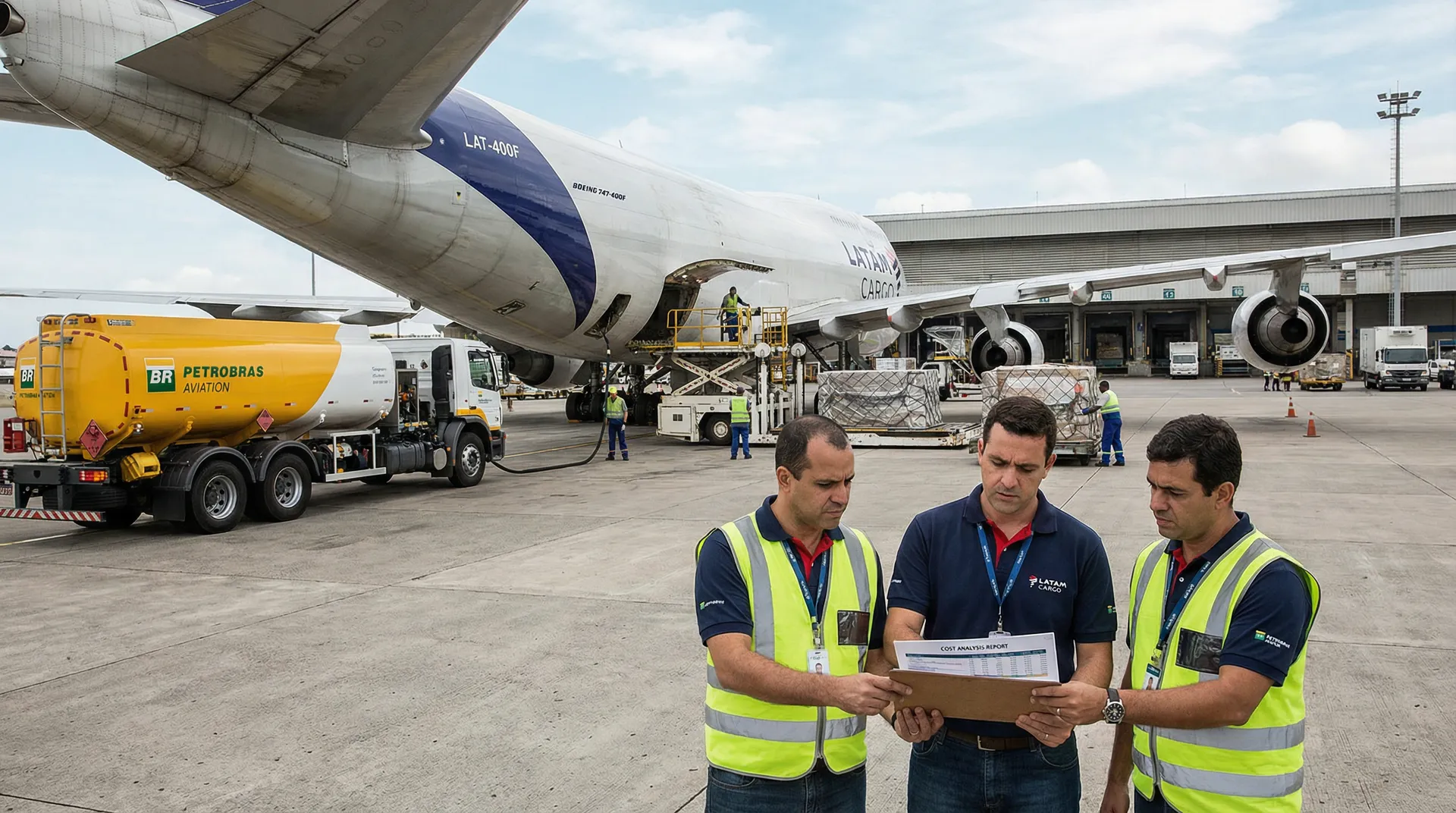
Jet fuel prices have risen sharply in Brazil since April 1. Petrobras raised the cost of fuel by about 54.8 percent, and to mitigate the impact, allowed distributors to distribute part of the increase for later payments.
For the B2B market, this is a broader story than just the aviation industry. When aviation fuel becomes more expensive at such a pace, the entire segment of urgent logistics becomes more expensive: pharmaceuticals, electronics, expensive components, e-commerce with a short delivery time and any cargo where time is more important than cost.
Reuters pointed out that in Brazil, fuel accounts for more than 30 percent of airline operating expenses. Against this background, carriers are beginning to quickly review prices, part of the capacity is being withdrawn from the market, and logistics chains are being rebuilt towards cheaper but slower options.
It is also important that Petrobras agreed to pay for part of the increase in installments. This shows the scale of the pressure: even major market players understand that the simultaneous transfer of such growth to the cash flow of customers may become too difficult. But the installment plan itself does not negate the main thing: the price of fuel has increased, which means that the final cost of transportation will also increase.
For corporate clients, this means the need to review air cargo contracts in advance, insure urgent supply chains, and put more stock on a budget. In the context of global instability, aviation remains an important tool, but entry into it is becoming noticeably more expensive for businesses.