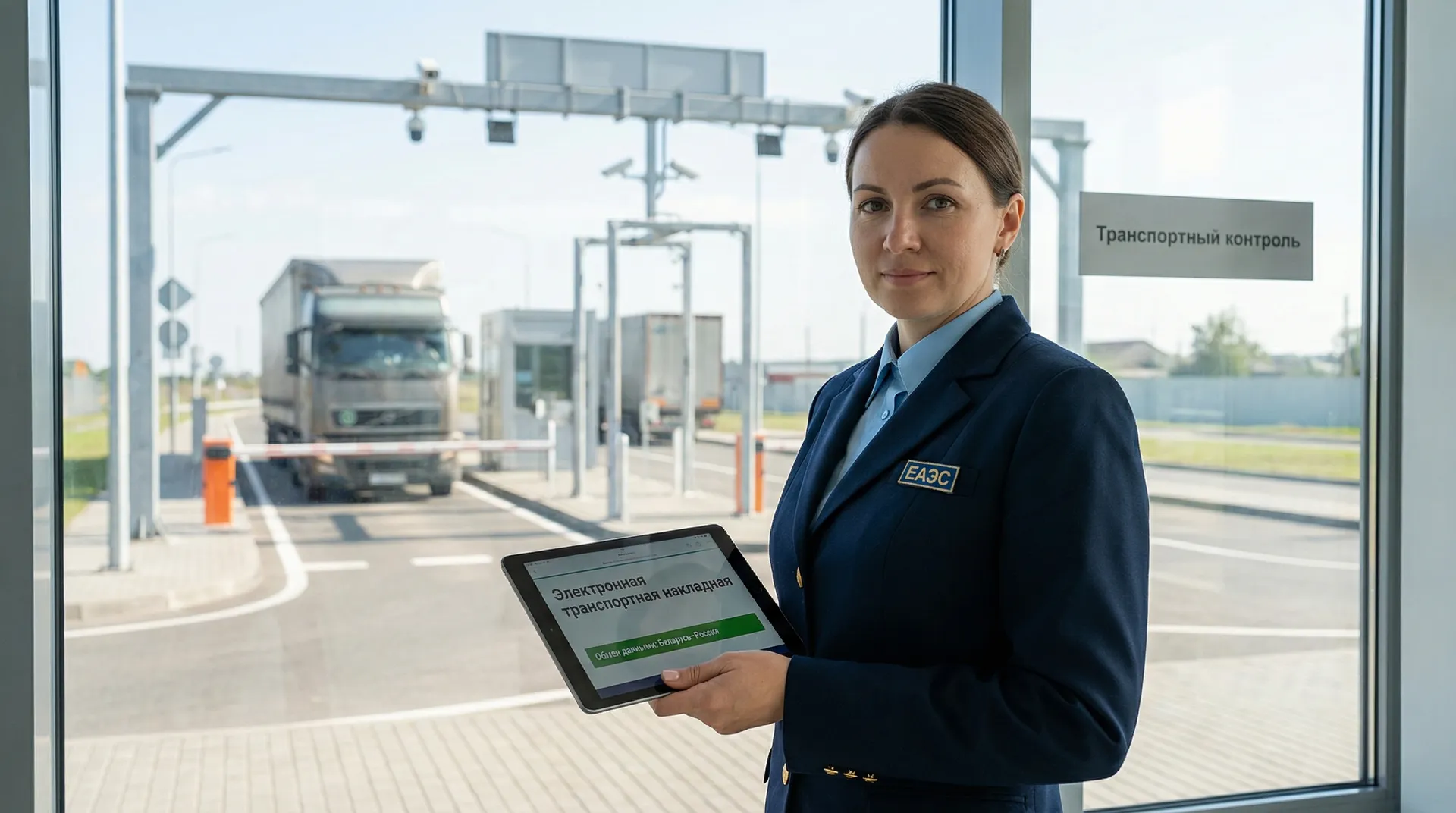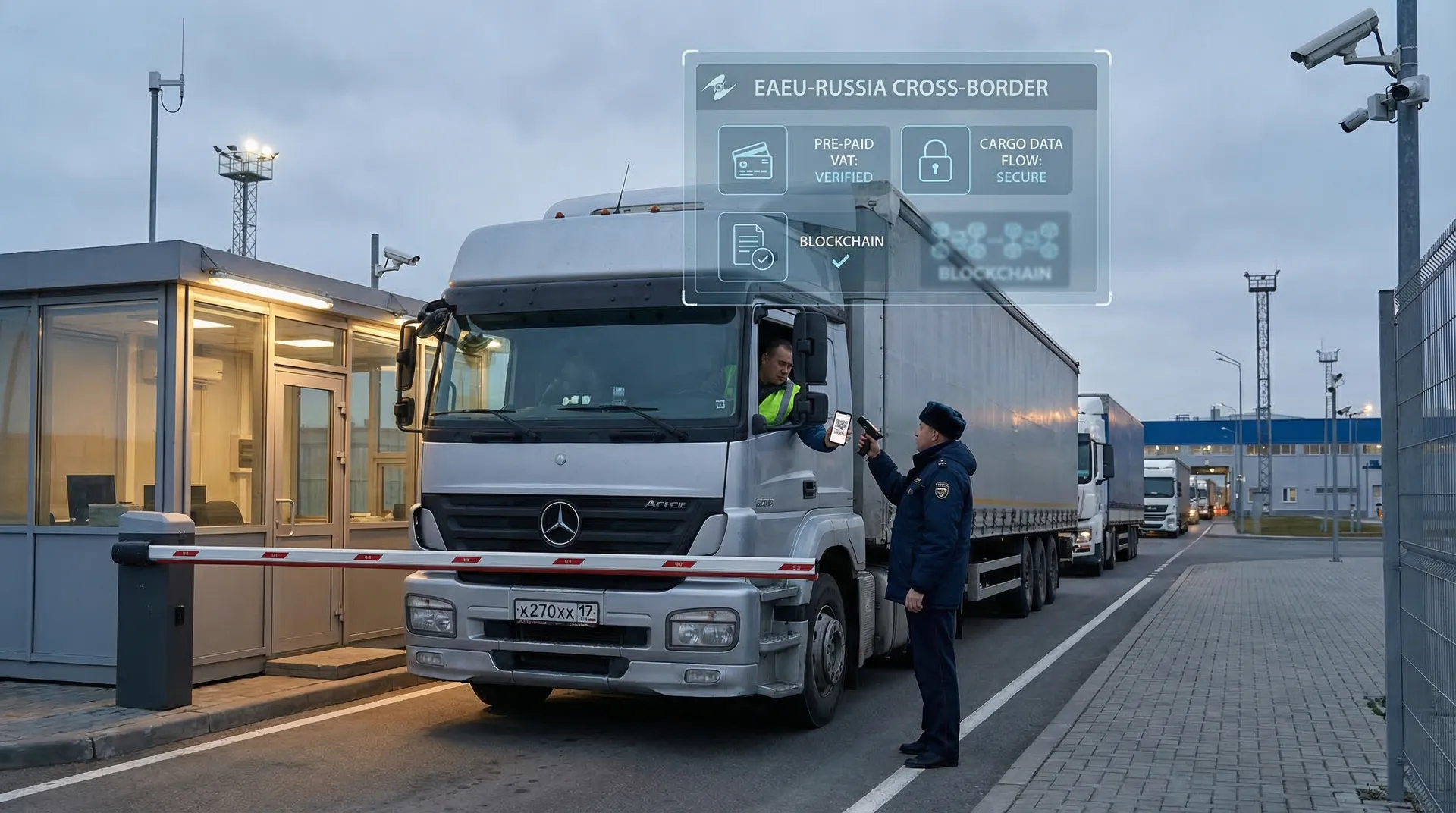
Starting from September 1, 2026, freight transportation in Russia will switch to mandatory electronic transportation documents. The contour includes waybills, orders and requests for transportation, and forwarding documents. The regulatory framework has already been fixed, and the Federal Tax Service directly describes the transition through the transport EDI and GIS EDI.
The main intrigue now is not in the date, but in the actual coverage and the cost of the error. In public estimates, the figure is "up to 95% of the business," because companies that formally act as senders or recipients enter the perimeter. At the same time, the B1 expert emphasizes that the calculation may be overestimated due to the broad methodology.:
"Therefore, the figure of 95% may be somewhat overstated."
A more practical benchmark for the market is the share of companies that regularly live in logistics and are the first to feel the load. The same position B1 records that the estimate of "about a third" looks like it works for real transportation processes.
The transfer price varies. For a large carrier with a high daily flight frequency, the calculation relies on a license, integration and operational support. For a small business, the start may look affordable, but the amount is growing rapidly when there is a need for tablets for drivers, software configuration, and training.
The most dangerous part of the first stage is related to the communication infrastructure and the signing discipline. The material contains a direct risk:
"The lack of mobile Internet at the points of loading or unloading may lead to the inability to load statuses."
At the same time, contractual rigidity is increasing. Companies are already setting up time windows for document confirmation in order to close the flight and make payments without delay.:
"Severe penalties for not signing electronic invoices within two to three hours."
What should businesses do in 2026 in order not to stop shipments:
- decompose the role chain: who draws up the EPA, who signs it, who stores it, and who is responsible for the status
- check the connection at the loading and unloading points, prepare offline scenarios for the driver and dispatcher
- to coordinate with the counterparties the rules of signing and the acceptable deadlines, to fix responsibility in the contract without "traps"
- pilot the EPD on one route and one product group, then expand its reach
- identify the owner of the process within the company so that the EDI issues do not split between logistics, accounting and IT
The industries with a large number of shipments and returns will feel the most changes: distribution, wholesale, construction, manufacturing, and e-commerce. There, the speed of document flow directly affects the warehouse, transport schedule, and money in circulation.