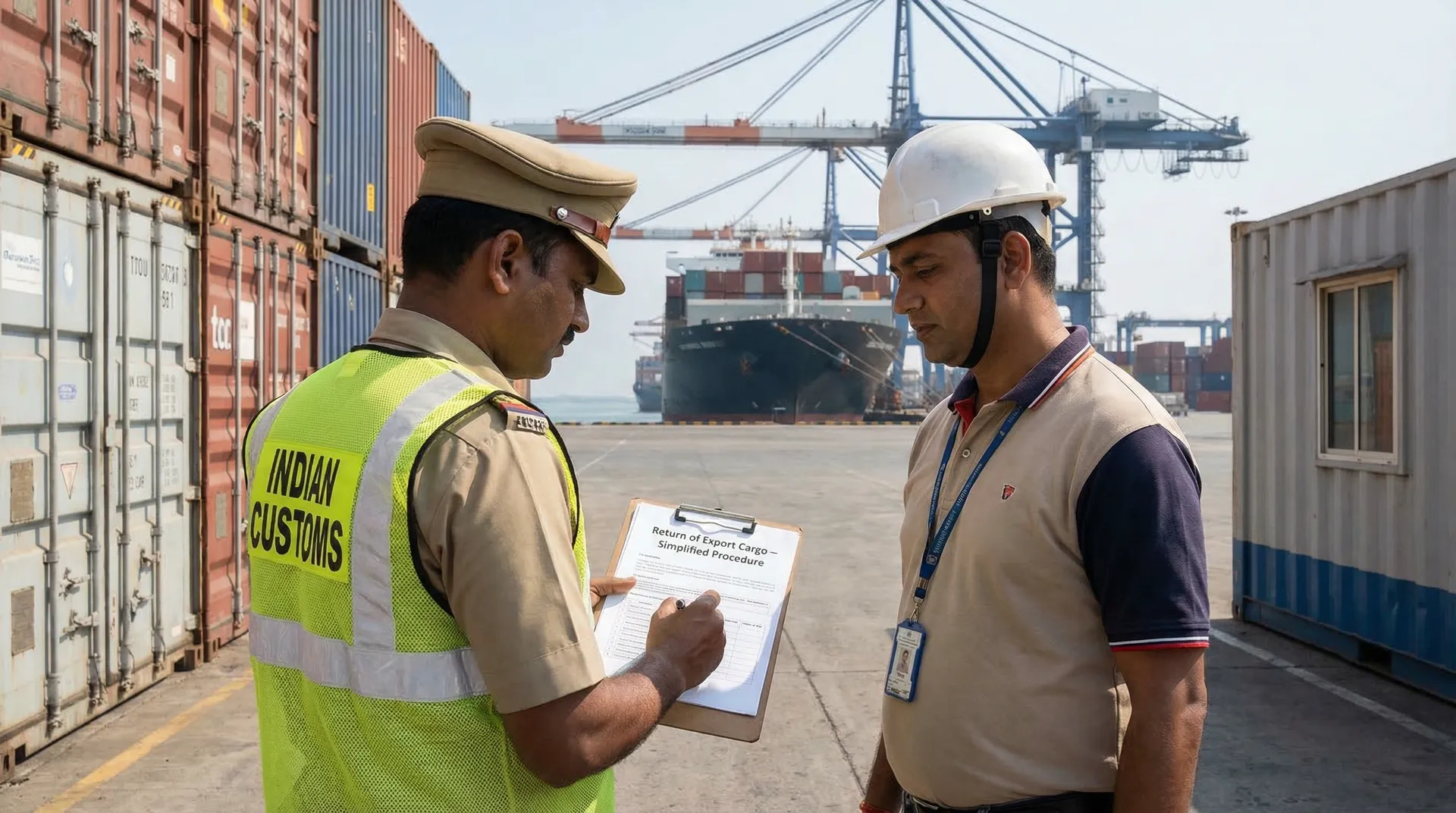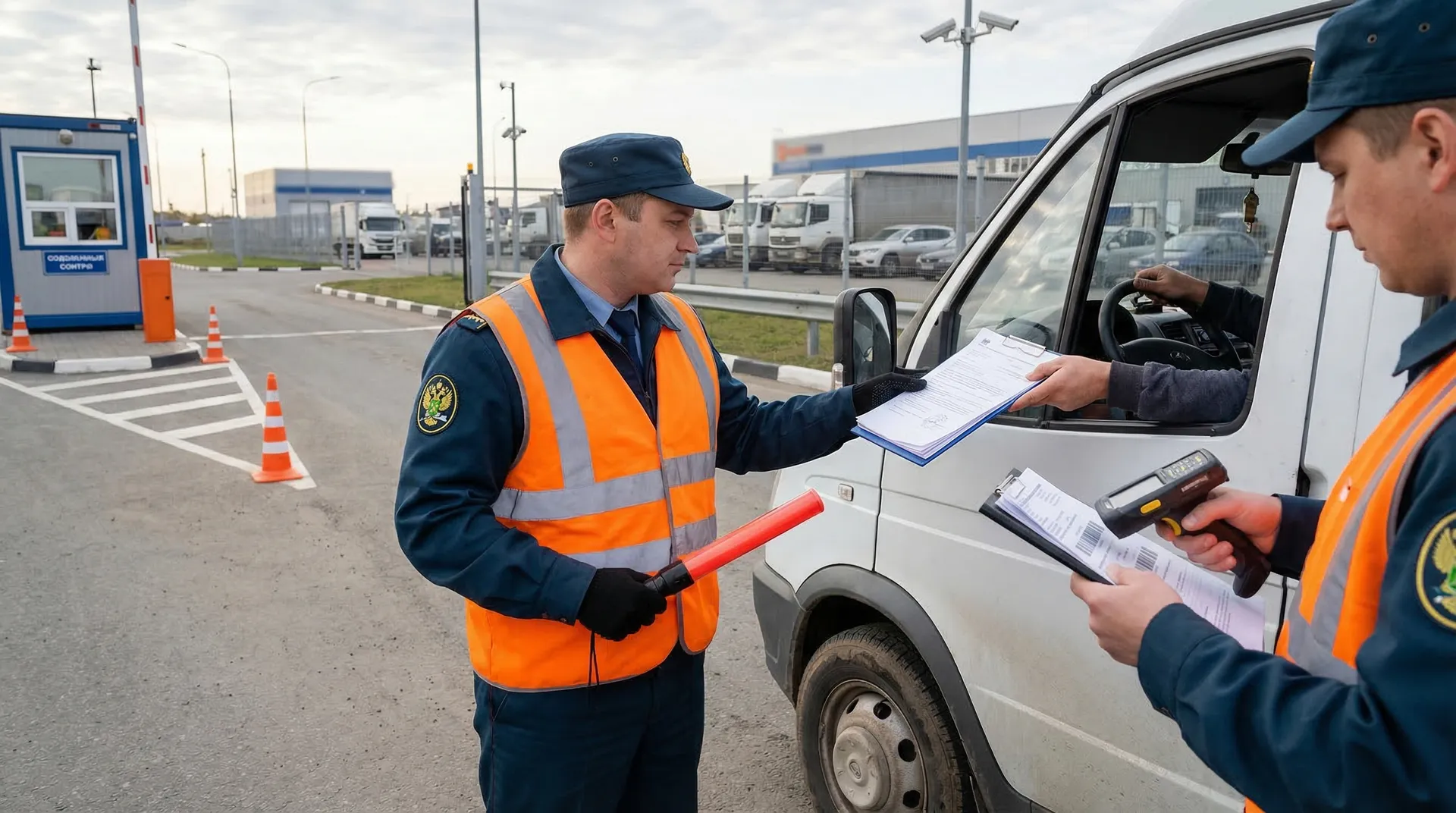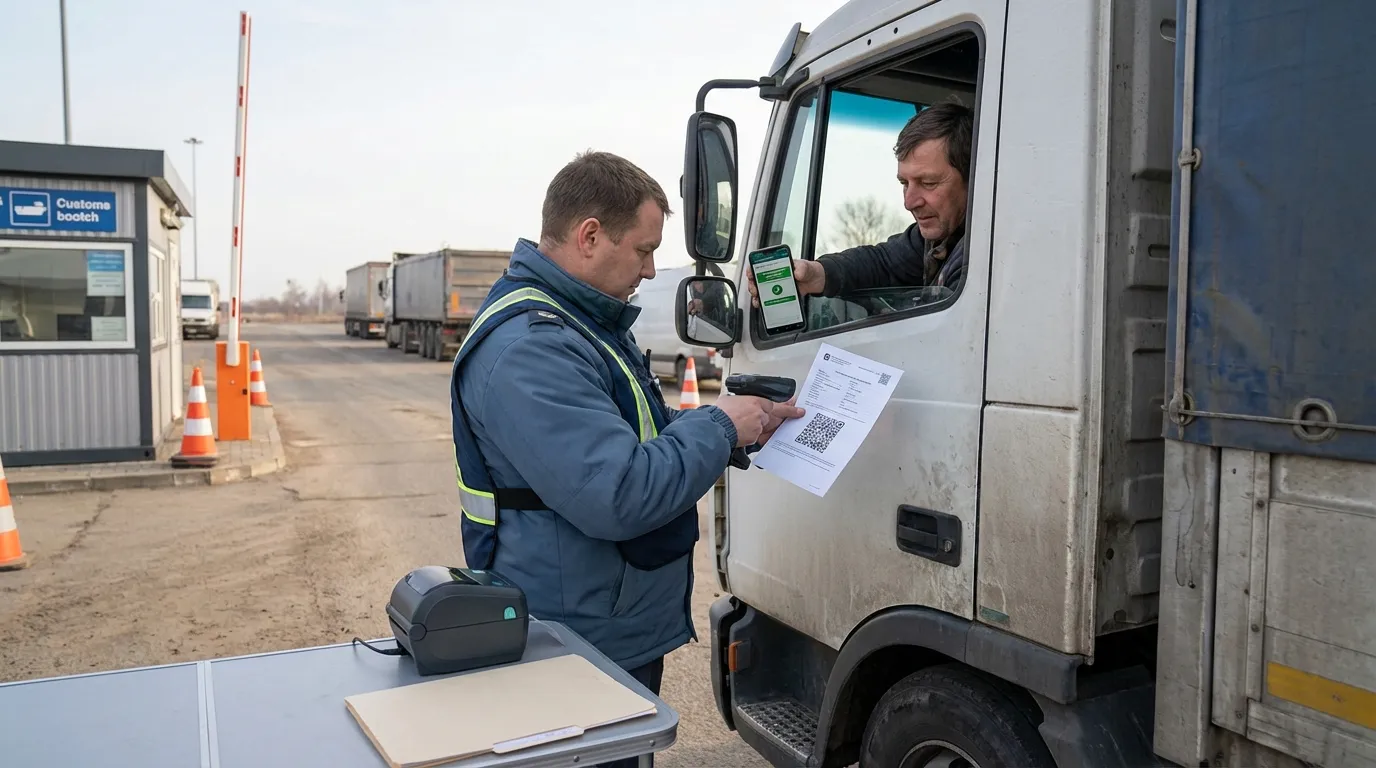
Russia is preparing the next step in the digitalization of road transportation across the border: a bill has been submitted to the State Duma, which establishes the possibility of sending information for border and customs control through a personal account in the GIS EPD. According to the authors, a single channel for providing preliminary information will give the control authorities time to check the data even before the truck arrives at the checkpoint, and the carriers will have a more predictable scenario for crossing the border.
Currently, carriers usually work through the "personal account of a foreign trade participant" on the FCS website, and the preliminary information is actually used by customs authorities. The project transfers this communication to the contour of GIS EPD— the federal platform for electronic transportation documents, commissioned in 2022. This is important for international flights: a single set of transportation data can become the basis for several types of control at a vehicle checkpoint.
The key norm in the wording of the draft law sets out the right to submit information through GIS EPD for international carriers and their representatives:
"Russian carriers, foreign carriers, <...> those engaged in international road transport, or persons acting on their behalf, have the right to send <...> information necessary for the implementation of border customs control in order to ensure access across the state border through the use of a personal account in the state information system of electronic transportation documents," the bill says.
A separate practical block is the infrastructure of checkpoints. The materials for the initiative mention the need to retrofit automobile checkpoints with software and hardware solutions so that data from GIS EPD is stably received and routed to the control bodies' systems. For the market, this means that the acceleration effect will directly depend on the readiness of specific transitions and the quality of integration.
For the business of foreign economic activity and logistics, the initiative is changing the operational contour of flight preparation. Previously, the focus was on collecting documents by the time you arrive at the border. Now the "before departure" stage becomes critical: the correctness of data on the vehicle, driver and cargo, linking to electronic documents, monitoring the status of dispatch and confirmation of receipt of information. In conditions of tight schedules and seasonal peaks, even a small error in the preliminary data can lead to downtime at the entrance to the checkpoint.
The industry is also discussing a target date for entry into force. In public comments on the initiative, the date of March 1, 2027 is mentioned as a possible date for the start of the changes after the passage of the full legislative cycle.
What should carriers and cargo owners do now?:
- determine who in the company is responsible for submitting preliminary information and monitoring statuses in the GIS EPD;
- unify cargo and route reference books so that control data is generated without manual "additions";
- to fix in contracts with freight forwarders the procedure for dealing with discrepancies in the preliminary information;
- prepare a checklist for the driver: access to the personal account, confirmation of the shipment, a set of EPD for the flight.
The draft law forms a clear vector: pre-trip digital training is becoming a mandatory part of international car statistics, and time at the border is increasingly dependent on the quality of data sent in advance.