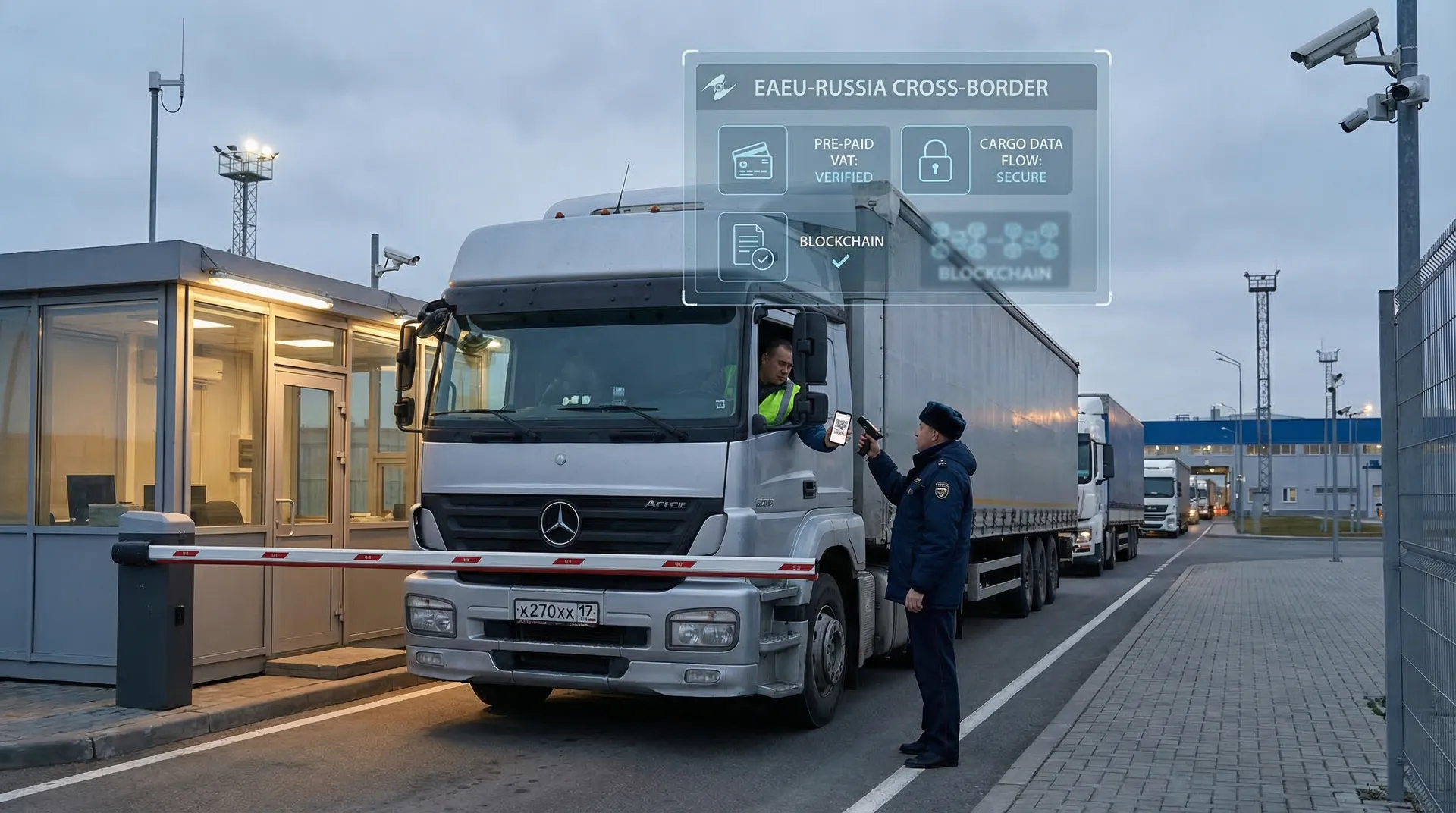
Russia and Iran are planning to conduct a pilot project on mutual recognition of an electronic digital signature (EDS), which will significantly simplify logistics and document flow between the two countries. The initiative was presented by the Iranian side within the framework of the International Caspian Digital Forum.
According to Natalia Zadonskaya, Deputy Head of the Department of International Projects and Digitalization at Directorate of International Transport Corridors JSC, Iran has also demonstrated a digital transport and logistics platform that is already being used to manage transportation within the country. The Islamic Republic has expressed its readiness to integrate it with Russian systems, which will allow market participants to speed up data exchange and reduce cargo clearance time.
"The most important thing is that the Iranian side has offered Russia to become the first partner with which a pilot project for mutual recognition of EDS will be implemented," Zadonskaya stressed.
The year 2025 has become a landmark stage for Russian-Iranian relations. In January, the countries signed the Comprehensive Strategic Partnership Agreement, which entered into force in the fall. And since May 15, the free trade agreement between the EAEU and Iran has been in effect, opening up new opportunities for mutual supplies and investments.
Iranian President Masoud Pezeshkian said earlier that he personally oversees the process of removing bureaucratic barriers in relations with Russia in order to accelerate the implementation of joint digital and logistics projects.
Experts note that the digitalization of foreign economic procedures between Russia and Iran will become one of the key factors in improving the efficiency of transport corridors and integration within the framework of BRICS and the EAEU.