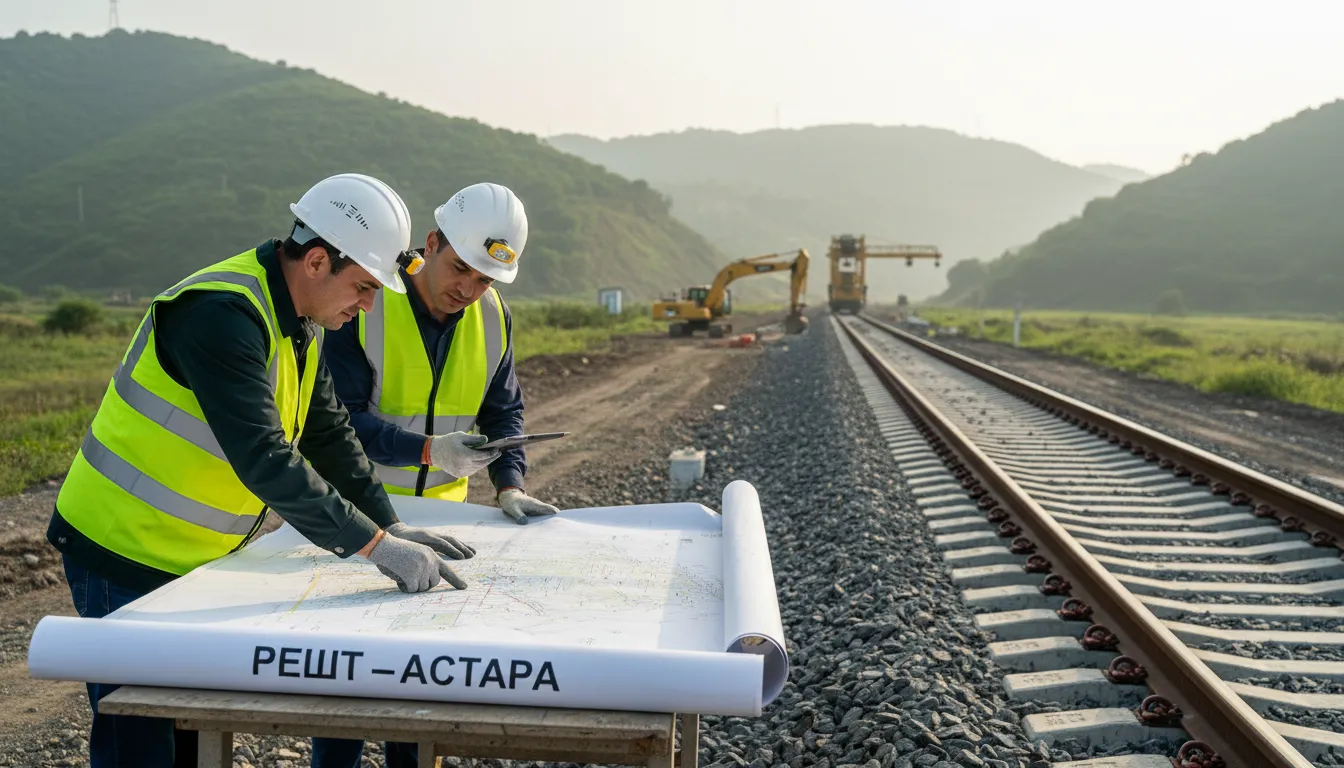
The announcement of the beginning of the practical implementation of the Rasht–Astara railway section from April 1, 2026 is not just another "date in the calendar". We are talking about the most problematic "rupture" of the western branch of the international North–South corridor, which for years rested on the ground, approvals, benefits and the legal status of the sites. Now, according to the Minister of Energy of the Russian Federation Sergey Tsivilev, the parties have closed almost the entire block of hindering issues.:
"We can say with confidence that the implementation phase of this large-scale infrastructure project will begin on April 1."
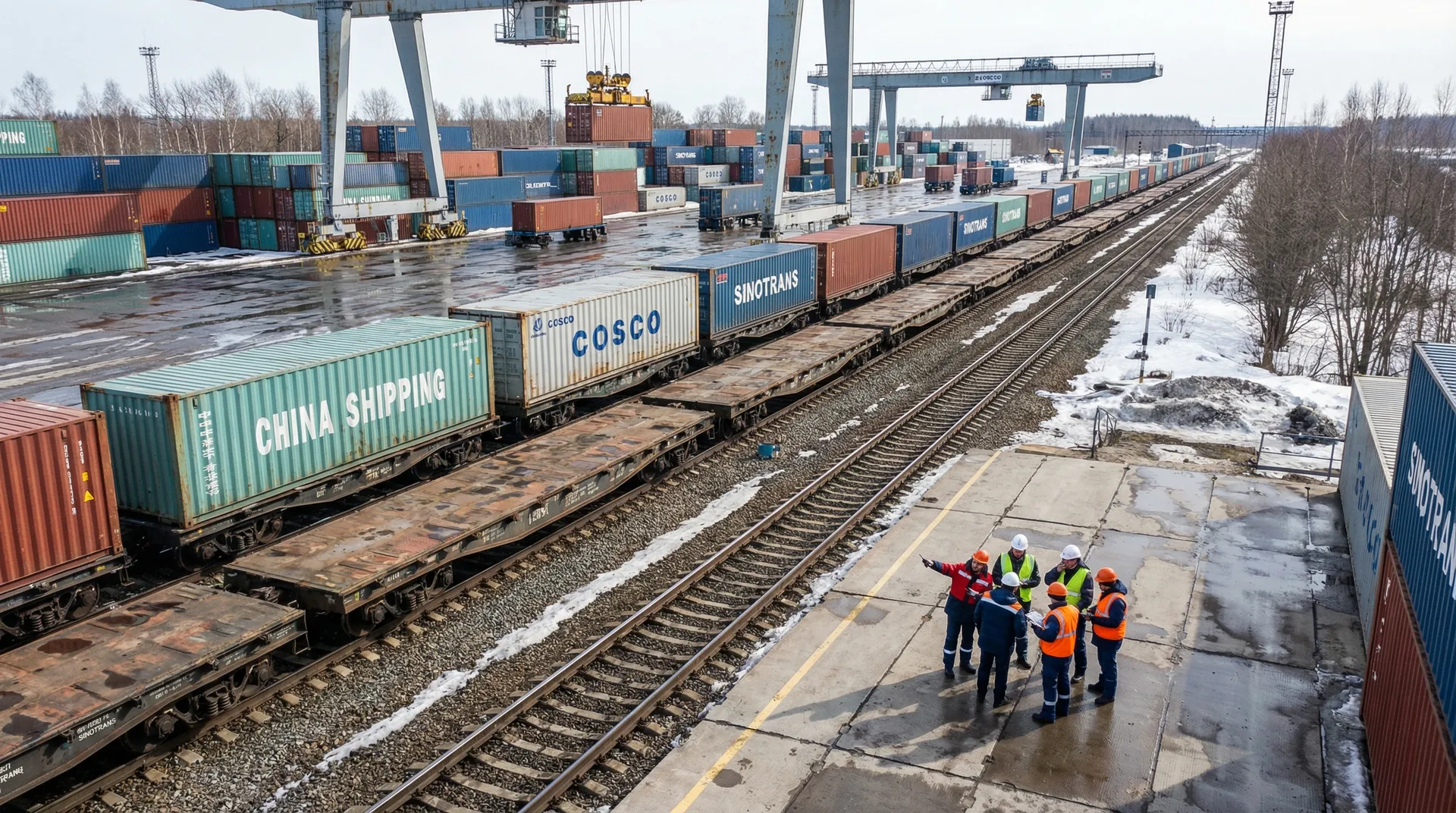
Why is this critical for foreign economic activity and cargo flows? The Rasht–Astara section (about 160 km) is supposed to "stitch" Iran's railway logistics with the direction to the Caucasus and further to the Russian network. In practice, this reduces the corridor's dependence on weather windows, overloads at auto crossings, and breaks in multimodal circuits. The fewer manual connections and forced overloads, the higher the predictability of deadlines — and this is the main parameter that the cargo owner buys today.
The financial framework also sets the scale: the total budget of the project is estimated at 1.6 billion euros, and the model assumes joint financing of design, construction and supply of goods and services. For contractors and freight forwarders, this means a long work cycle and probably strict requirements for localization of supplies, schedules, insurance and guaranteed leverage for the delivery of materials.
In the context of BRICS and the "turn to the South," Rasht–Astara is the infrastructural equivalent of a "bottleneck." If it can be removed, the North–South corridor gets a chance to move from the status of a promising route to the status of a regular service.: with a timetable, clear transit SLAs, and a more sustainable fare economy. But the risks are also obvious: the difficult geography, environmental constraints of Iran's northern provinces, and the high cost of any delay in land acquisition and compensation. Therefore, it will not be the announcement of the date that will be decisive, but the discipline of project management — stage control, digital progress reporting and a pre-configured scheme of border and customs interaction for future flows.