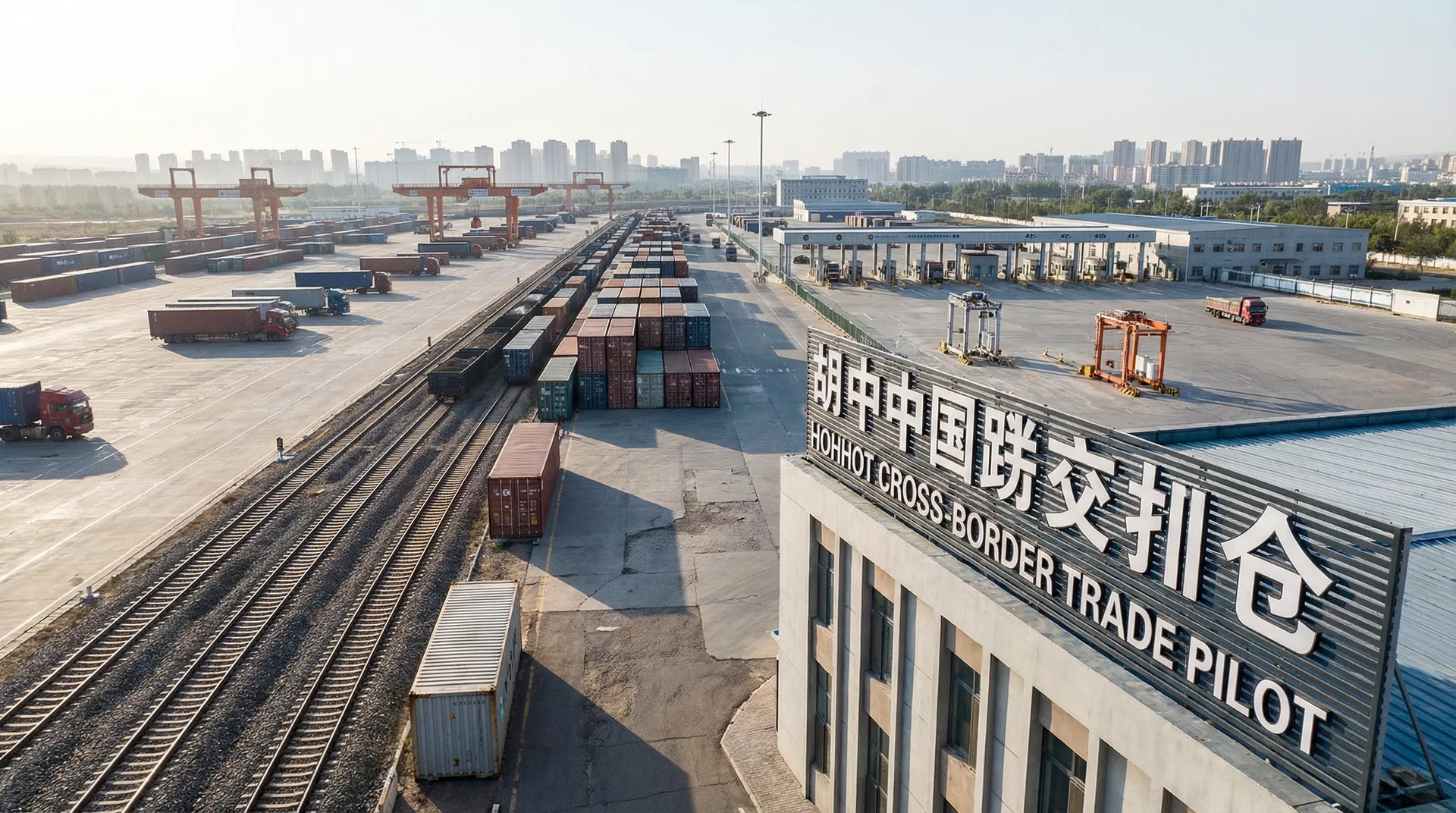
Many customers are faced with the fact that the delivery of orders from marketplaces has become noticeably slower. While previously the delivery time was 1-2 days, now delivery can take up to a week or longer. The reasons for this lie in the combination of internal logistics problems and the redistribution of warehouse capacity.
The main factor was the acute shortage of staff in the last—mile segment - these are couriers and drivers who ensure delivery from the warehouse to the customer's door. Due to high physical activity, unstable income and the general cooling of the economy, fewer and fewer people choose this profession. A decrease in the number of employees leads to overloading, disruption of schedules and the formation of queues for delivery.
At the same time, the structure of goods storage has changed. Previously, goods were distributed in warehouses in different regions, which accelerated logistics. Now, with credit rates rising, businesses are cutting costs and consolidating goods in one central warehouse. This reduces the cost of logistics for sellers, but significantly increases the delivery distance to the buyer, especially if he lives in a remote region.
Surprisingly, international logistics shows stability: there are no previous queues at the borders, and imports are proceeding as planned. The main failures occur precisely at the stage of domestic delivery in Russia.
Experts believe that this situation is not temporary, but a reflection of a new reality. To return to the previous delivery dates, marketplaces will have to invest in process automation, courier services development, and creation of more flexible distribution schemes.