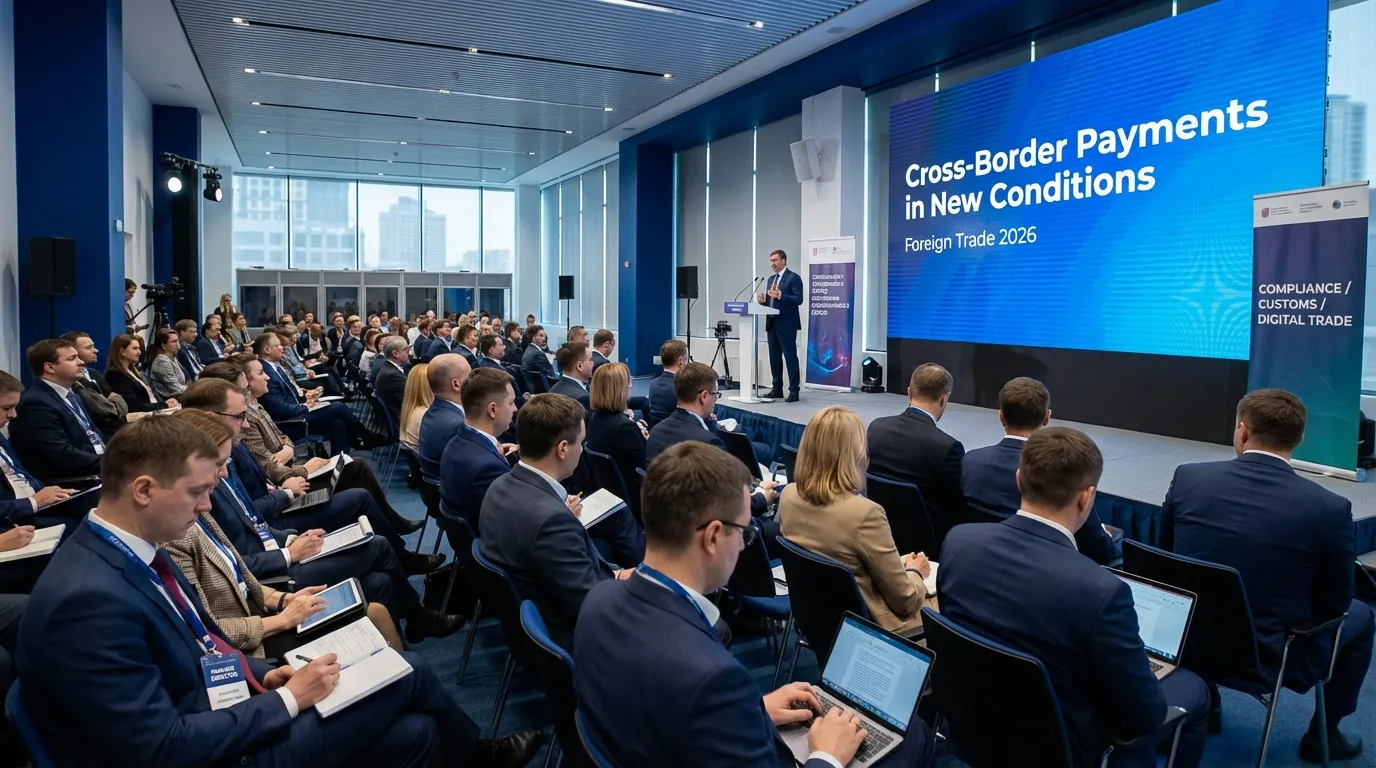
The organizers formulate the task of the event through a focus on applicable solutions and the experience of large companies, where payment becomes part of a single supply cycle: contract, compliance, documents, logistics, release, closing. The program highlights the topics of responses to sanctions restrictions, the risks of using agents for payments, as well as alternative contractual models, including debt transfer and assignment, with an analysis of the consequences in different jurisdictions.
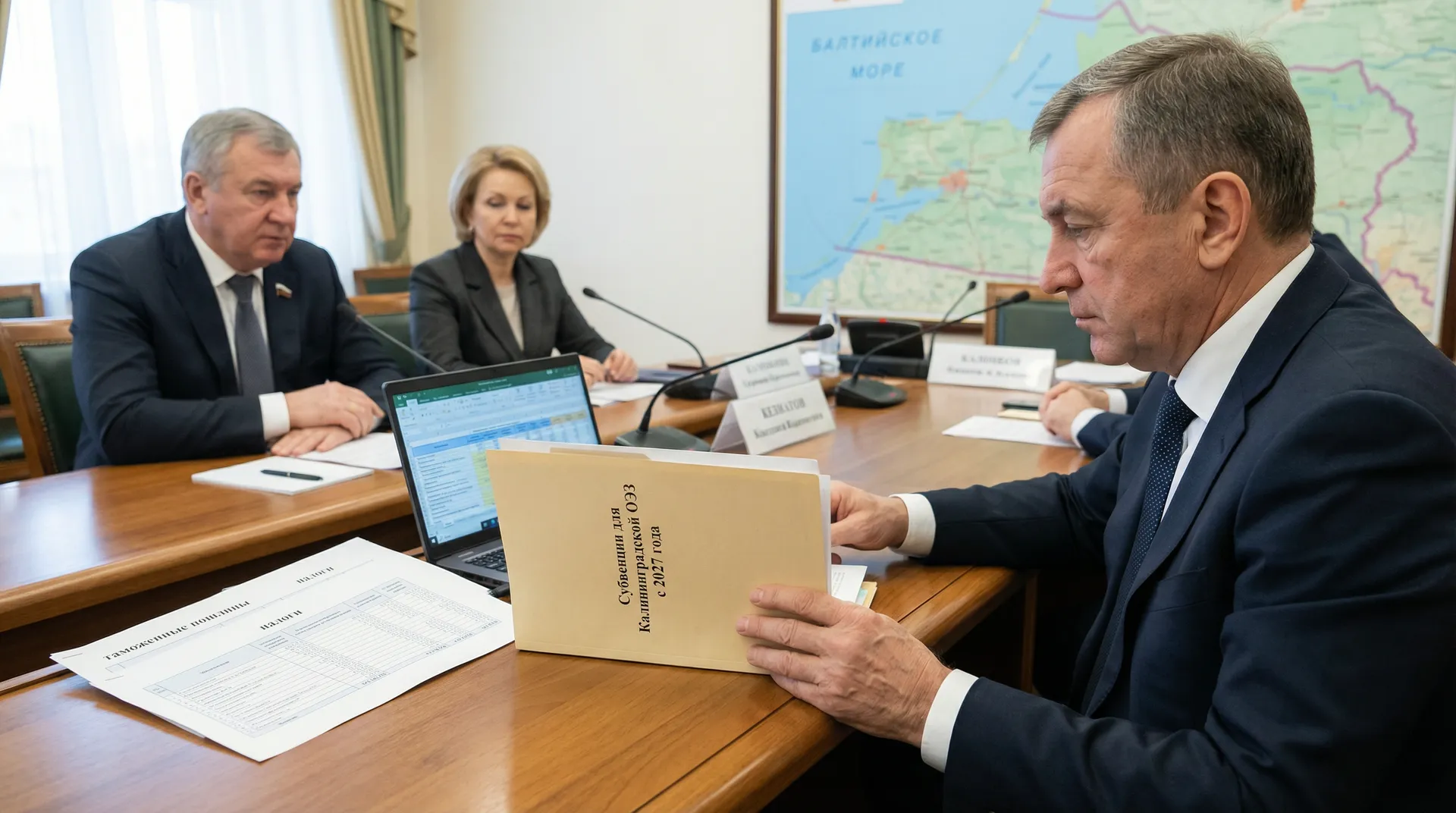
"On April 23, Moscow will host the Seventh conference "Topical Issues of Foreign Economic Activity: Cross-border Payments in New Conditions."
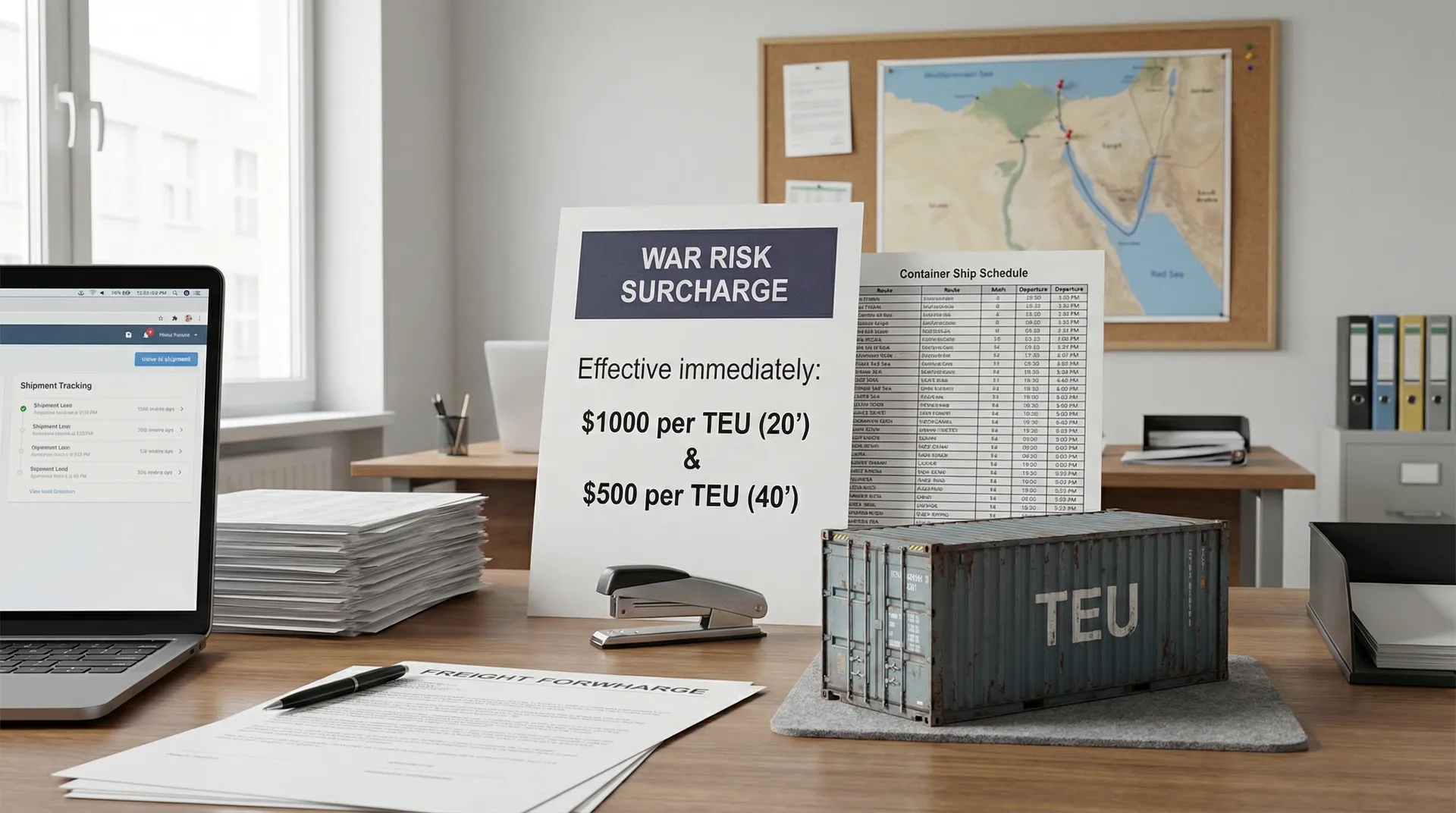
For the transportation and forwarding market, the value of such a discussion is practical. The payment loop affects the route and speed: delayed payment often means delayed release, delayed booking, downtime at the terminal, additional storage and demurrage costs. Therefore, it is beneficial for the carrier to understand how the customer's payment track is arranged, which documents cover currency control, who signs invoices, how the purpose of the payment is formed, and what forms of confirmations the bank expects.
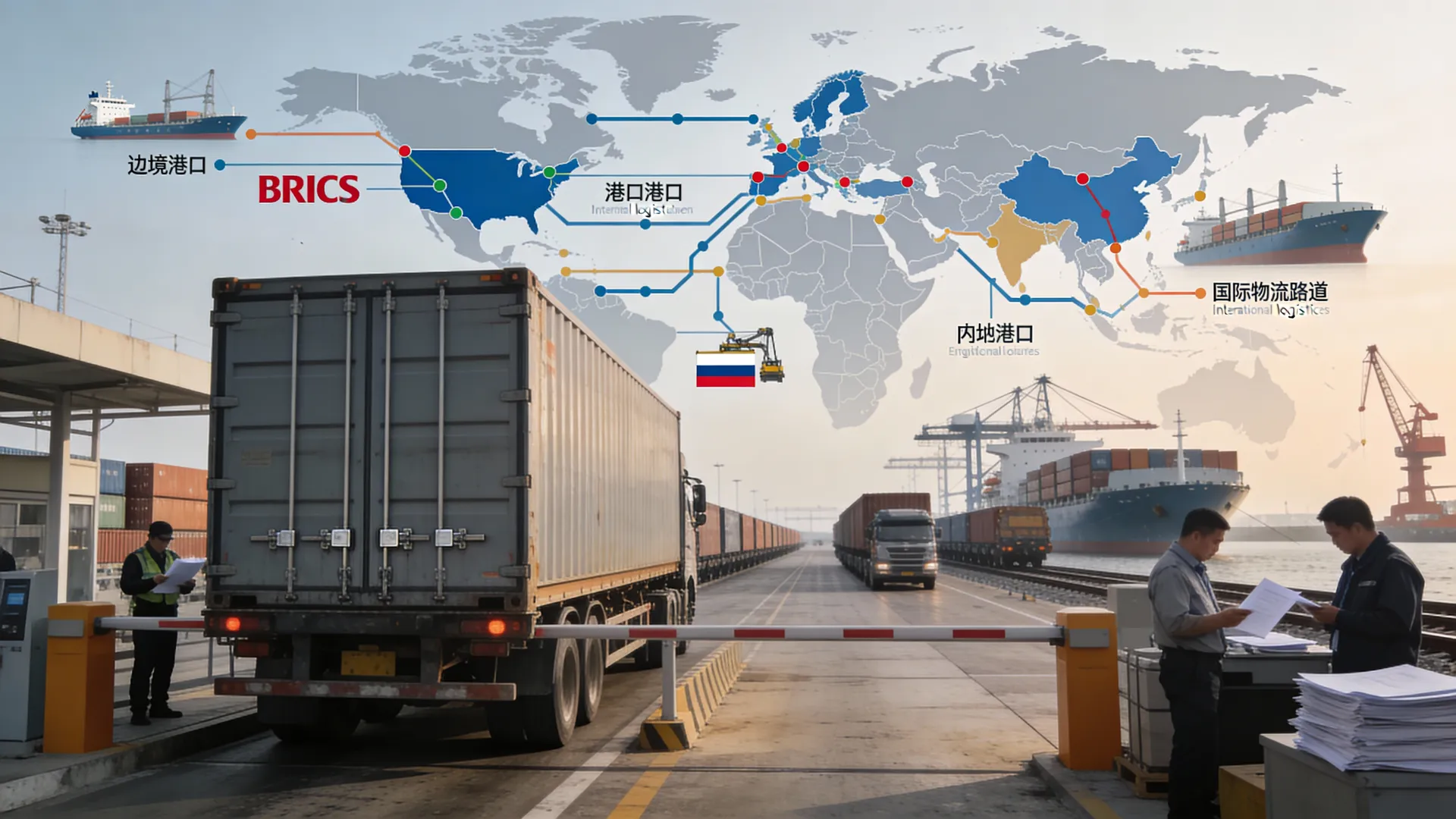
A separate section of the program is devoted to the export cycle to China, including payments, documentation and customs clearance, logistics and delivery.
For BRICS contour companies, this is relevant as a working model of "payments + logistics" with a mandatory digital discipline: unified reference books, EDI, control of the powers of signatories, and regulations for the storage of supporting documents.
Waiting for you:
- 15+ speakers from the largest companies in various sectors of the economy
- Overview of current trends and challenges of modern business
- Experience of large companies working in an international environment, taking into account sanctions
- Face-to-face format for productive communication with colleagues without restrictions
- A discussion format on a relevant topic
Up-to-date information on the organizer's website: https://clck.ru/3SGsyL