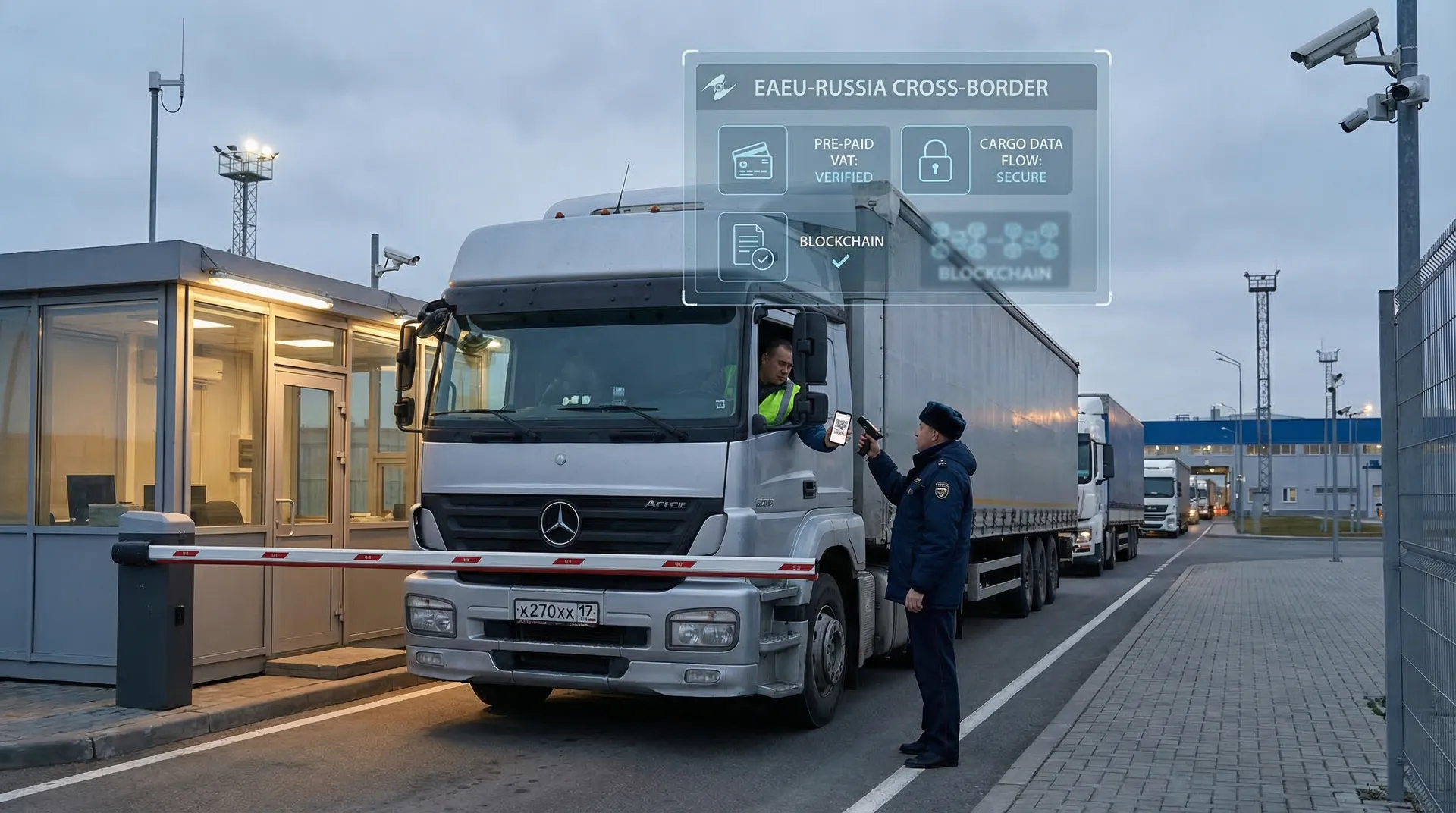
The Russian Union of Industrialists and Entrepreneurs asks for a 10% rate: business sees the risk of a cooling economy
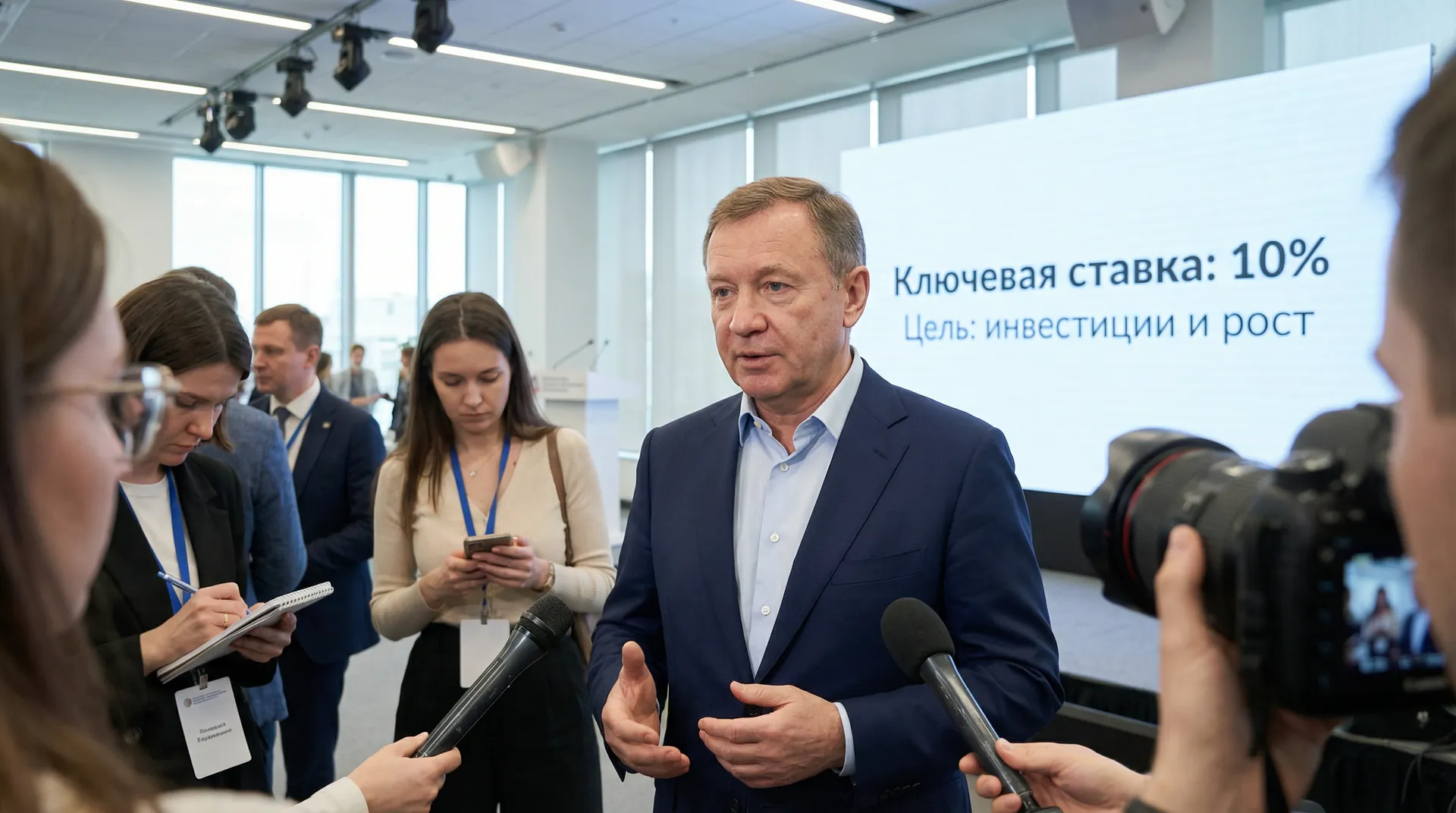
The topic of the key rate has become more acute on the business agenda again. Alexander Shokhin, head of the Russian Union of Industrialists and Entrepreneurs, publicly stated that the current rate of reduction of the key rate by the Bank of Russia does not look sufficient if the task is to return investment activity and maintain the growth trajectory. According to him, the benchmark at which businesses will feel a recovery in investment is "somewhere closer to 10%."
The argument of the Russian Union of Industrialists and Entrepreneurs is based on the practice of companies: expensive money changes the behavior of enterprises faster than any forecasts. With a high loan price, a business reschedules modernization, cuts capital investments, builds inventory more carefully, and more often transfers purchases to short cycles. In logistics, this is manifested through stricter turnover requirements and a lower willingness to maintain reserve capacity for the season.
Shokhin separately linked the rate to the risk of a “cooling down" of the economy. He said that the pace of GDP growth in recent months has already shown tension, and then "it will not be so easy to warm up the economy if it cools down seriously."
In this logic, the rate closer to 10% is perceived as the level at which investment decisions begin to go through the financial model again without constant recalculation.
In parallel, there is a more “applied” forecast for the next meeting of the Central Bank. In the media, Shokhin is credited with expectations of a further decline in a small step and a move to the level of 13% by the end of 2026.
This shows the gap between what businesses consider comfortable investing in and how the market sees the trajectory of monetary policy.
For participants in foreign economic activity, the rate is important as the cost of working capital in the supply chain. The higher the rate, the more expensive it is to finance purchases, transit, warehouse, insurance, and “money on the way.” If the discussion around 10% intensifies, its effect may manifest itself not only in bank rates, but also in the requirements for counterparties: prepayment, reduction of delays, pressure on tariffs and revision of limits on financing logistics.