In 2025, Russian logistics is demonstrating a steady transition to a multimodal delivery model, which is becoming a key tool for business adaptation to an unstable external environment. Increased sanctions pressure, changes in transit rules and rising costs in certain parts of supply chains are forcing market participants to reconsider their usual routes and combine different modes of transport more actively.
Experts note that the development of multimodality is associated with several factors at once. Firstly, the introduction of new restrictions for vessels operating with Russia increases the risks and cost of shipping. Secondly, the simultaneous complication of transit through a number of countries leads to the need to redistribute cargo flows involving rail and road transport. In these conditions, businesses are increasingly choosing hybrid delivery schemes that allow them to quickly change logistics to suit a specific situation.
The head of the sales department of the Freit Logistics Group logistics company emphasizes that the transition to a multimodal model has already become an objective reality of the market.:
"Thus, logistics is inevitably moving into a multimodal mode. Only hybrid routes provide stability in conditions of instability, allow you to manage deadlines, minimize risks and control costs."
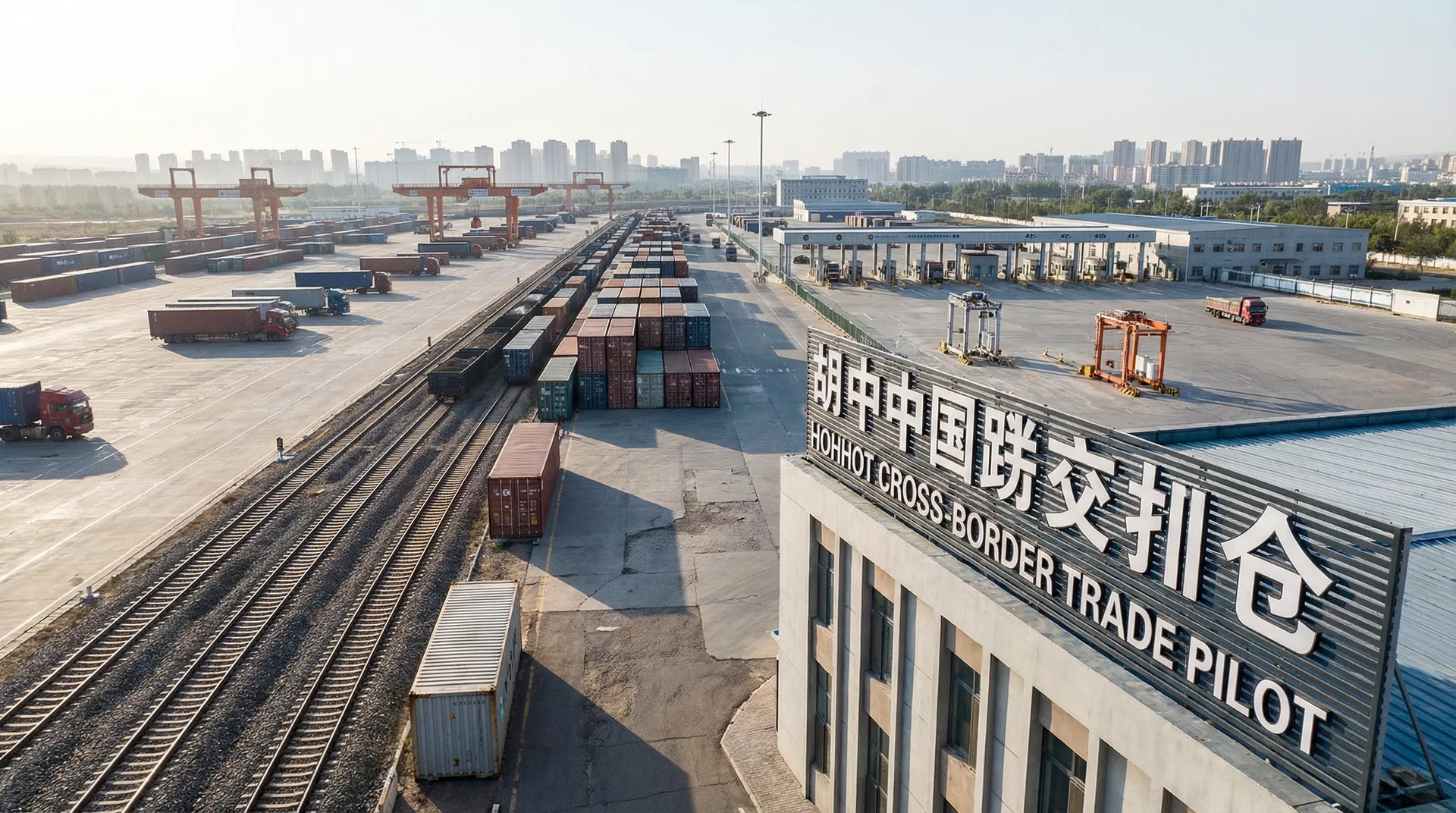
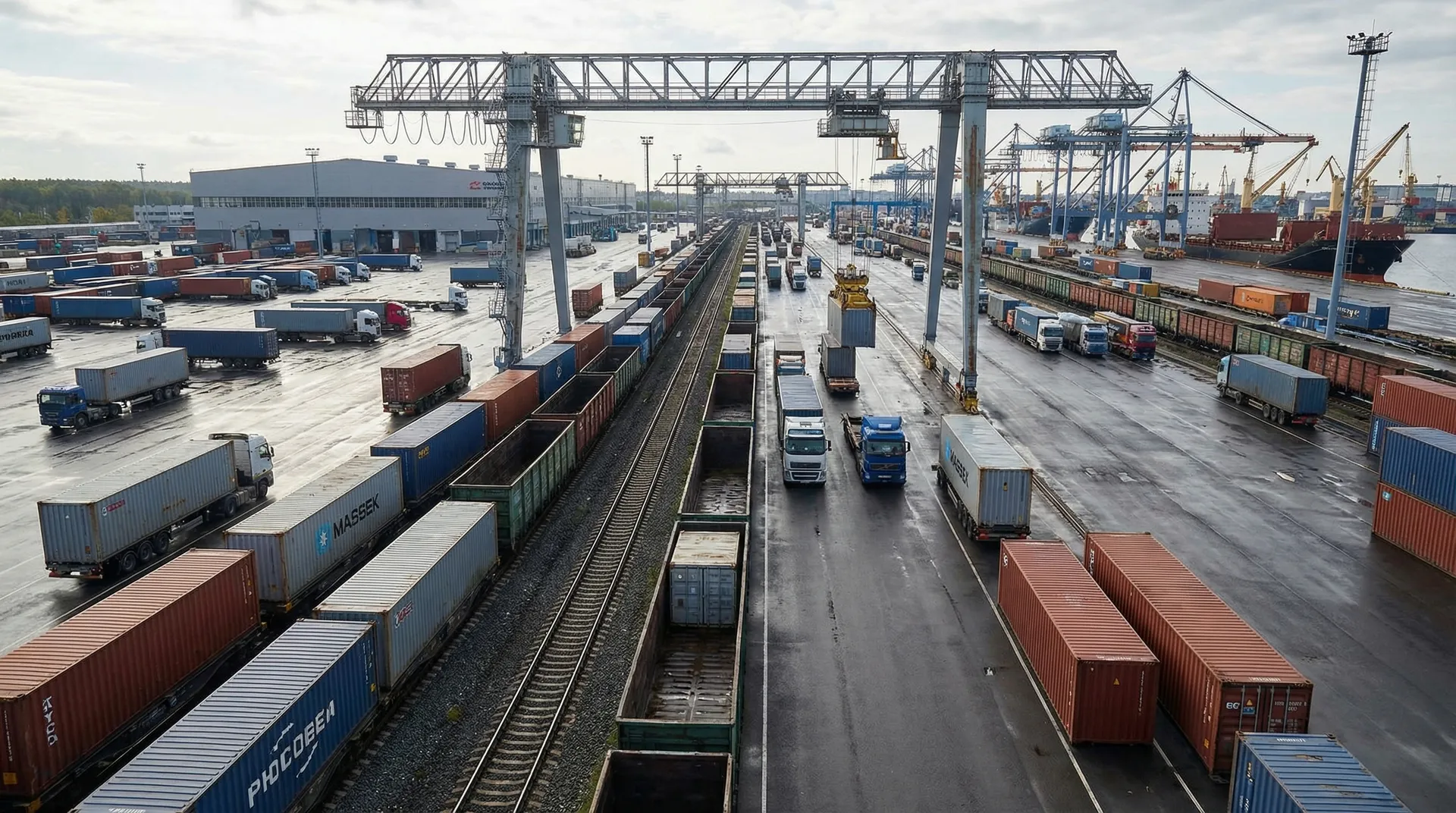
Major ports and transport hubs remain key parts of the multimodal infrastructure in Russia today. According to experts, the most developed hubs are concentrated in St. Petersburg, Vladivostok, Novorossiysk, Nakhodka and Baltiysk. Railway junctions, including Zabaikalsk, as well as terminals of the Moscow and St. Petersburg routes, also play a significant role.
This system is complemented by temporary car storage warehouses, which provide fast cargo handling and flexibility in internal distribution. It is their presence that makes it possible to effectively connect rail, sea and road transportation into a single logistics chain.
Experts agree that multimodal routes allow businesses to reduce their dependence on a single delivery channel, respond faster to changes in demand, and avoid disruptions associated with the closure of individual destinations. In the medium term, this approach will only strengthen, especially in the Asia—Russia and South—North directions.