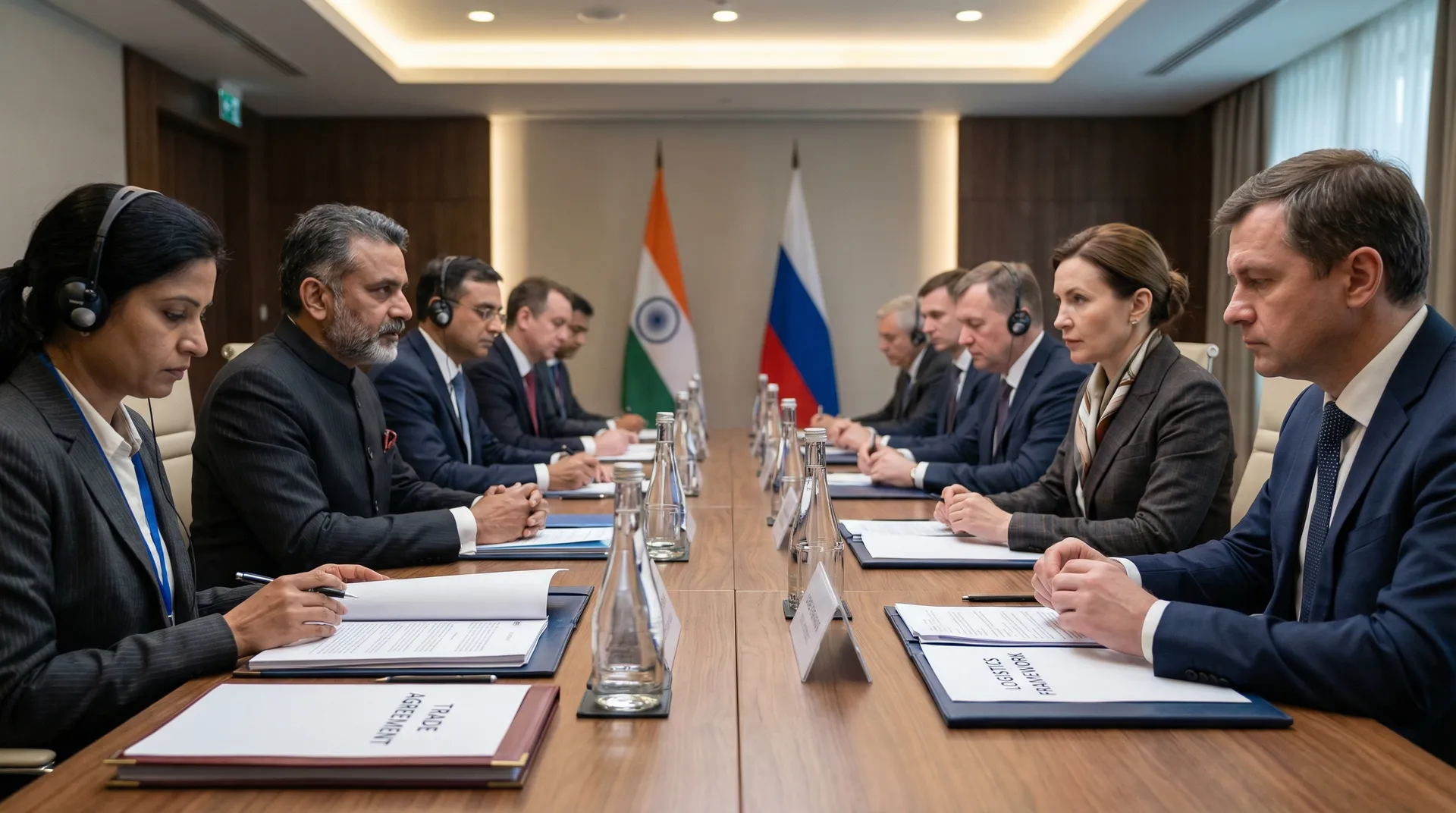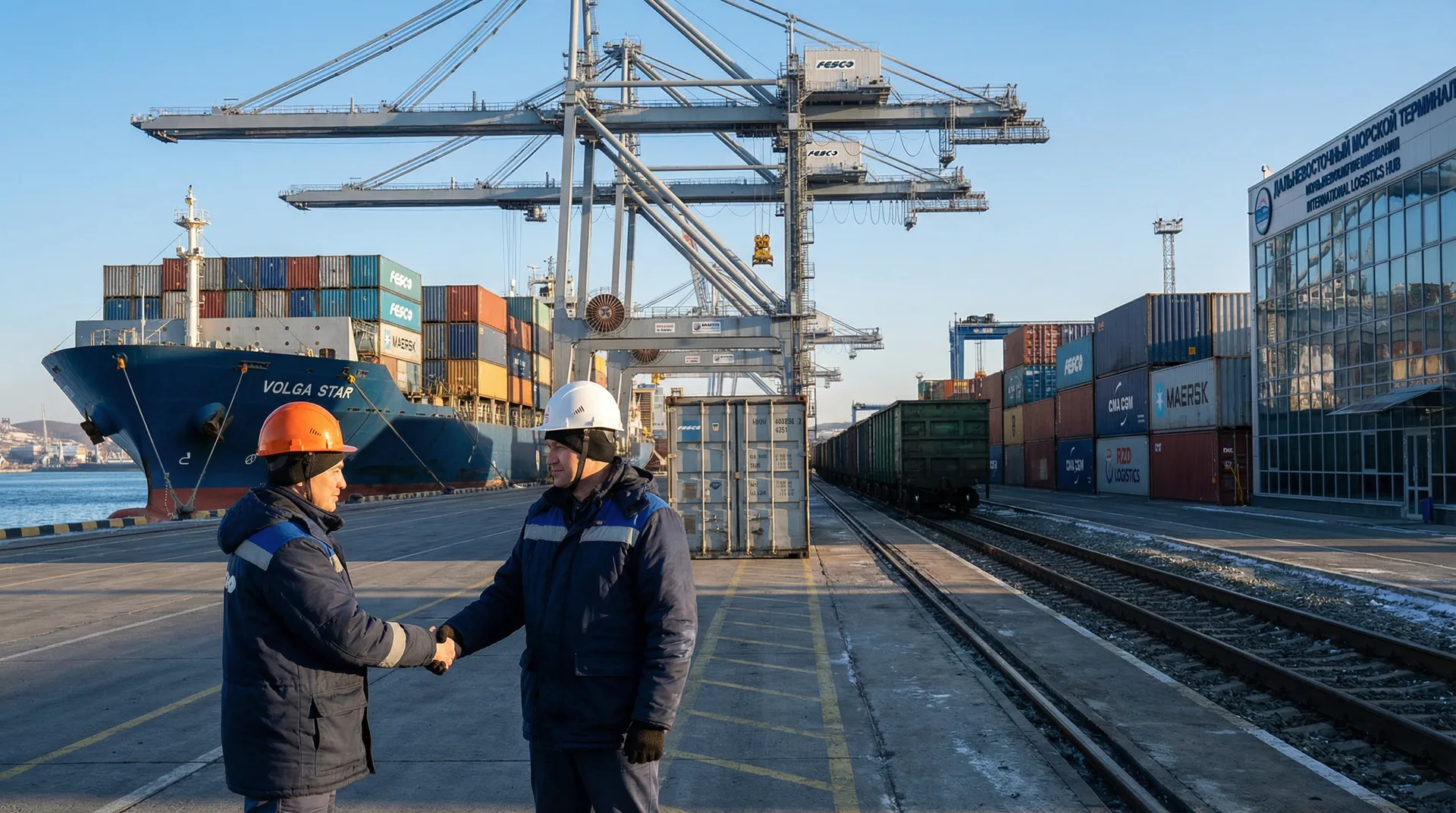
The Russian logistics market has received a signal of a major international restructuring. Rosatom and DP World have agreed to establish a joint venture in Russia. The new business structure is planned to include the assets of FESCO, which remains one of the key companies in container transportation and multimodal logistics.
The deal is important for several reasons. The first is the scale. DP World is one of the world's largest port operators, and for Rosatom logistics has long gone beyond the classic infrastructure task and has become part of a large transport strategy. The second one is a route one. The project enhances the potential of transportation through the Far East and provides an additional resource for the development of the Northern Sea Route. The third is foreign economic activity. In the context of the restructuring of global supply chains, Russia receives another channel for the growth of container traffic and attracting international partners.
Currently, the market is closely monitoring how the management contour will be arranged and which areas will become priorities at the first stage. According to Reuters, Rosatom should receive 51% in the new project, and DP World — 49%, while the Russian side will contribute its share to FESCO, and the partner from the UAE will contribute money according to the market valuation of the asset. This means that we are not talking about a symbolic memorandum, but about a construction with a specific economy and a long-term job.
This event has practical significance for Russian exports and imports. Major operators are now looking for sustainable solutions for routes to Asia, the Middle East and Africa. If the project is launched in the stated configuration, it can add new services to the market, expand international port connectivity and strengthen Russia's position in container logistics against the background of a global restructuring of trade flows.