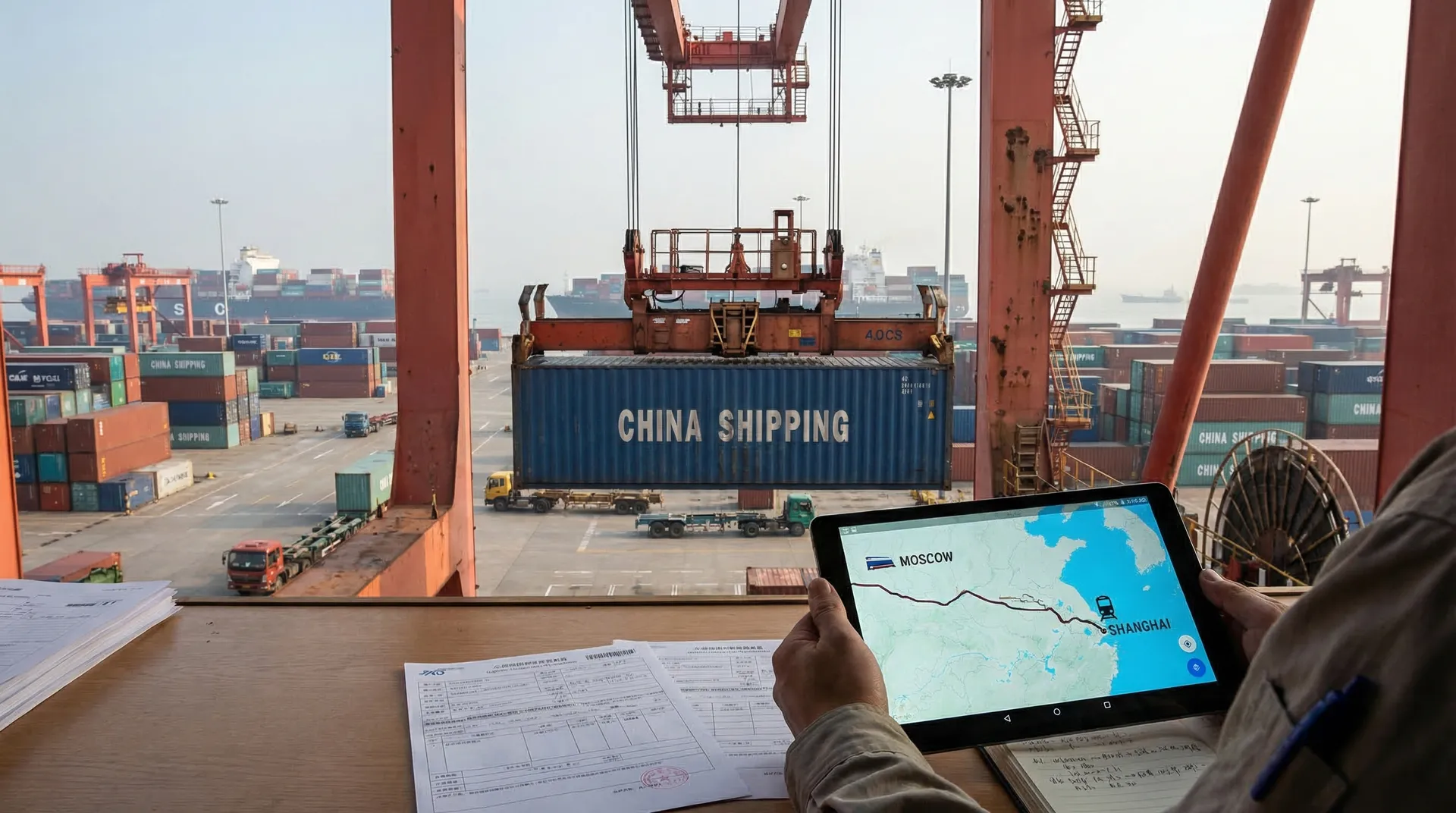
The middle of March 2026 gave the market a clear signal: the cost of shipping a 40-foot container from Shanghai to Moscow went up and added 8% in a month. The weighted average rate for the four most popular routes was $7.31 thousand, and the annual increase is estimated at 15%.
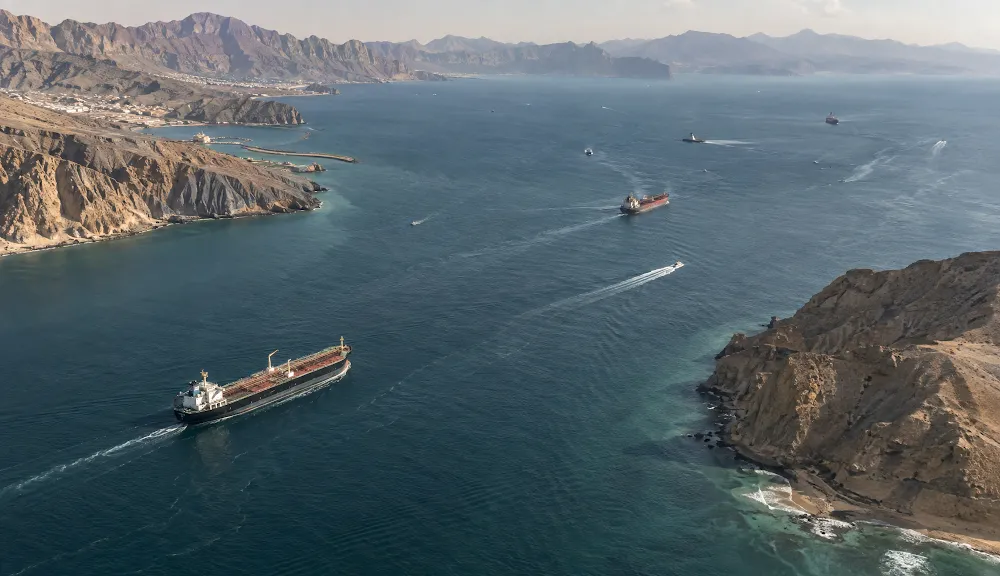
The reason lies not in one factor, but in a chain of events that carriers quickly monetize through surcharges. The aggravation of the situation in the Middle East has led to the introduction of additional emergency freight surcharges on deep-sea routes from the ports of China to Novorossiysk and St. Petersburg. According to the index's estimates, the bets on these shoulders have reached three-year highs.
The logic of the market is further simple: Part of the container traffic is beginning to flow to alternatives — through the ports of the Far East and on direct container trains. In the first half of March, the growth of rates on these services was more restrained, and the course played a role here: the weakening of the ruble made it possible to maintain tariffs on Far Eastern routes by reducing the cost of domestic logistics in dollar terms.
There is a noticeable gap in the details of the routes. Delivery via St. Petersburg (sea + car) was estimated at about $ 10 thousand, through Novorossiysk — almost $ 11 thousand. At the same time, the Shanghai—Vladivostok (Nakhodka) multimodal route—Moscow (sea + railway) and the direct railway route stayed slightly below $7 thousand.
A separate indicator of demand is container transshipment. In February, import transshipment at Russian seaports increased to 185.9 thousand tons. TEU (+11.6% YoY), and the Far East increased especially sharply to 94.9 thousand. TEU (+50.7% yoy).
For foreign economic activity and e-commerce, this means one thing: in cost planning, we again need a "cushion" for freight surcharges and quick route adjustments. Where the contract is tied to deadlines and fines, it makes sense to keep two delivery options in advance: through the Far East/railway as the base and through western ports as a reserve for certain product groups.