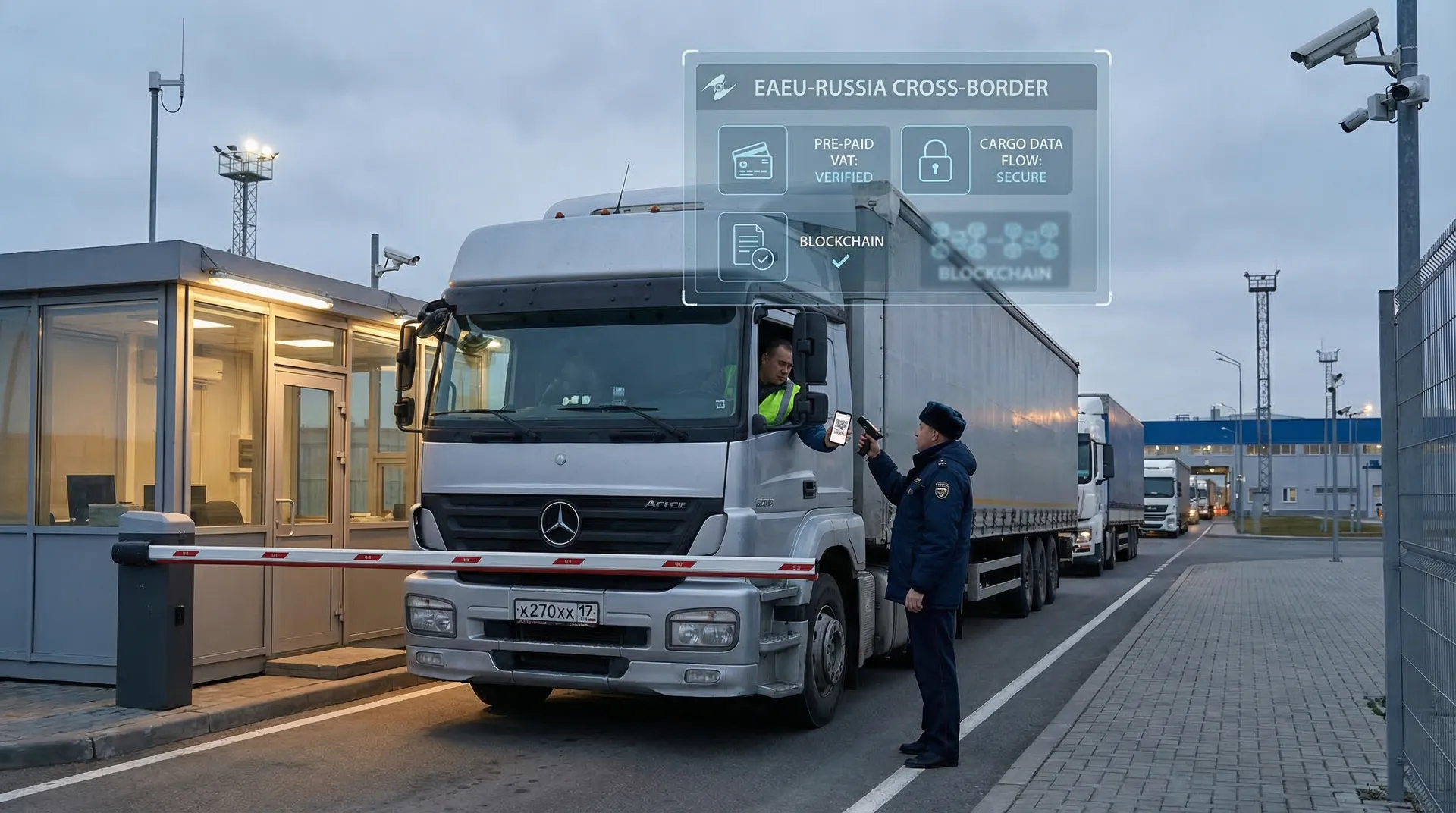
A package of changes on customs regulation is coming into force in Russia, which directly concerns road transport and handling of detained vehicles. The President signed Federal Law No. 61-FZ dated March 23, 2026, which amends articles 261 and 323 of the law on Customs Regulation. The document clarifies the powers of the customs authorities to stop cars to verify compliance with international treaties and acts in the field of customs regulation and legislation of Russia.
The key practical part is related to storage. It is stipulated that motor vehicles with goods stopped by customs officials and placed in storage may remain in storage areas until these vehicles and goods are transferred to federal ownership. This rule changes the expectations of market participants regarding the duration of the car's “hanging” in storage and increases the value of quick actions on documents and cargo status confirmation.
The procedure for interaction with other departments is set out separately. If the inspection of stored vehicles and goods reveals signs of violations that do not fall within the competence of customs, the information is transmitted to the federal executive authorities responsible for the relevant violations. In this case, cars and goods are returned to the person who deposited them. Such a rule closes a typical “gray zone” when a problem is identified outside the customs area, and the participant in the process does not understand who is conducting the inspection next.
Another change is important for the processes of freight forwarders and carriers: the deadline for posting information about cars and goods unclaimed from storage sites has been reduced from 60 to 30 days. This increases the requirements for status monitoring and reaction discipline, as the window of time for settlement becomes shorter.
The law comes into force on June 22, 2026. For companies working in the automotive industry, it makes sense to update internal regulations in advance: who monitors cases of stoppages, who is responsible for the set of documents, how communication with the storage warehouse is organized, and how the deadlines for “non-storage” are fixed. In such situations, the winner is the one who keeps the process manageable and closes the issues in the early days before downtime turns into system costs.