Cross-border e-commerce has long overtaken customs procedures in terms of speed of development. The EEC is consistently closing this gap, and on April 30 it took the next step.
The Board approved the form for correcting the declaration for e-commerce goods and the procedure for filling it out. The Minister for Customs Cooperation of the EEC, Sergey Shklyaev, explained: "In practice, this can be very much in demand, given the nature of the goods and the specifics of their movement."
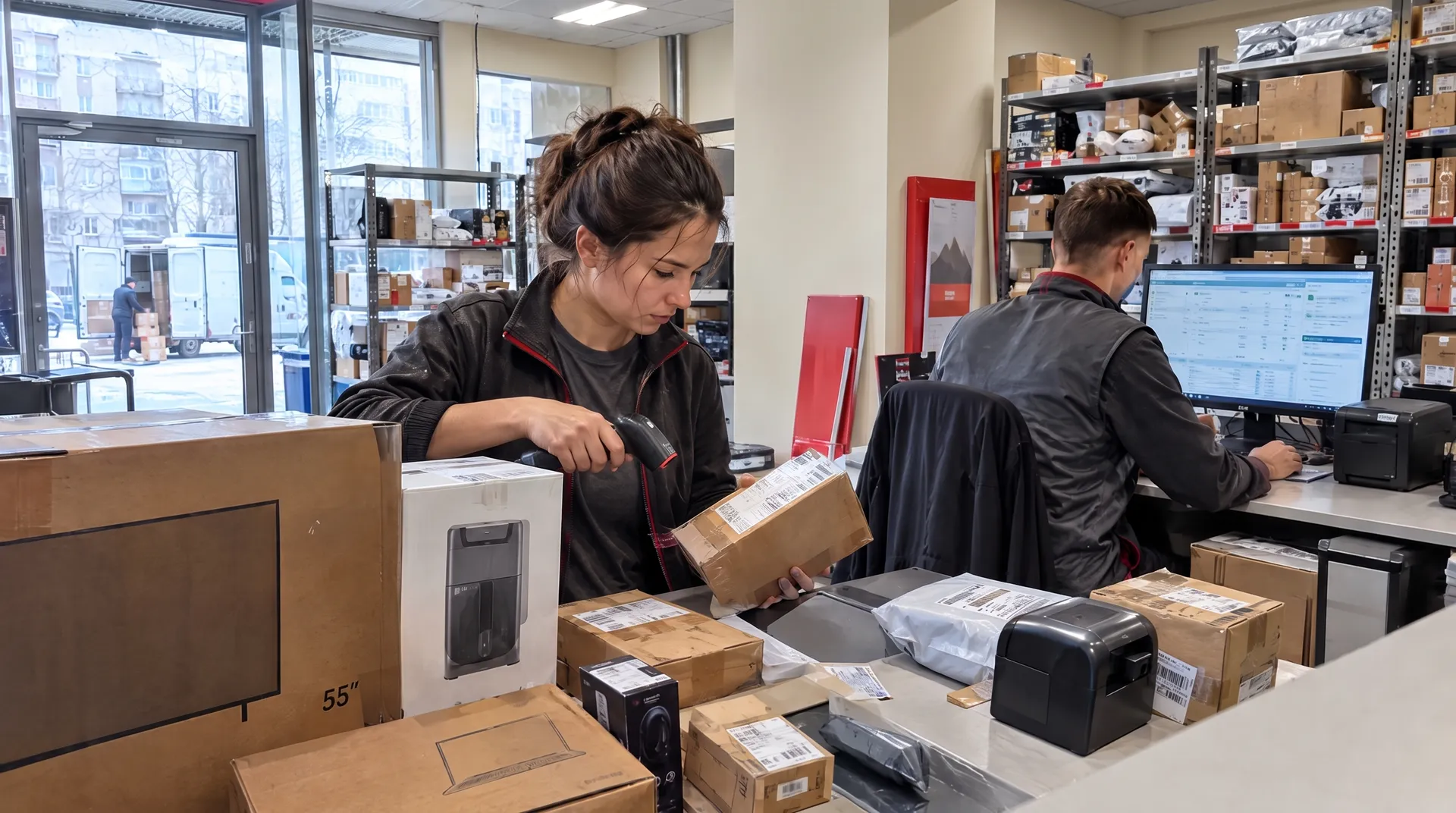
It really is. Online trading operates at high speed, with a large assortment and often an unpredictable composition of shipments. Declaring in such a flow inevitably makes mistakes — in the description of the product, its value, quantity, and category. So far, the opportunity to correct such an error has not been officially fixed in a separate form.
The adjustment will be applied from the moment the amendments to the EAEU Customs Code come into force — the protocol on these amendments was signed back in December 2023. The document covers both formats: goods purchased directly from foreign sites, and goods that are sold from warehouses in the territory of the Union.
In December 2024, the EEC has already approved the declaration form for e-commerce goods. The correction form logically completes this work: now there is both a document for initial registration and a tool for correction.
For importers working through marketplaces and cross-border channels, this is practical news. An error in the declaration no longer automatically means a delay or a fine — there is a legal way to make changes to previously stated information.