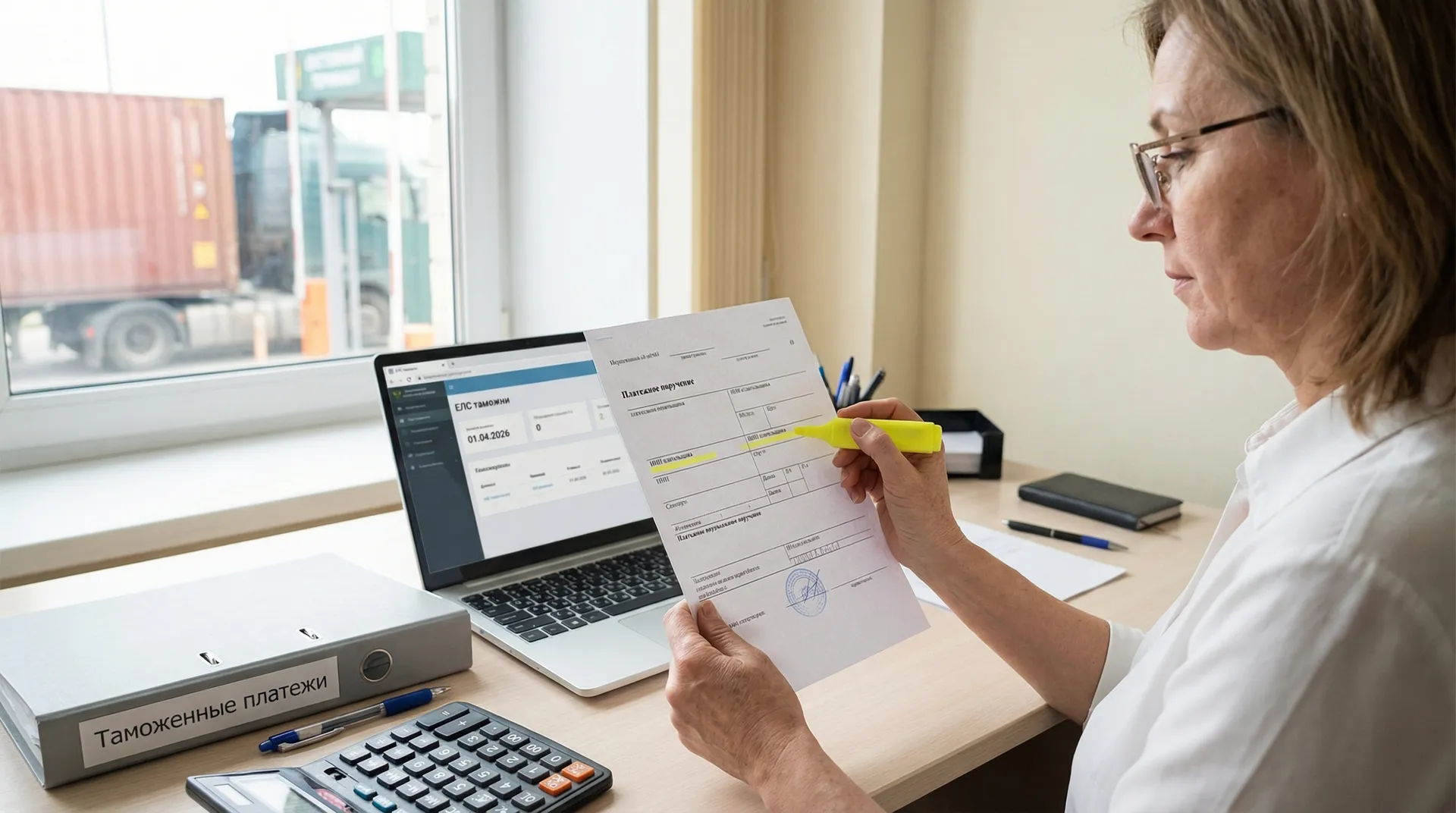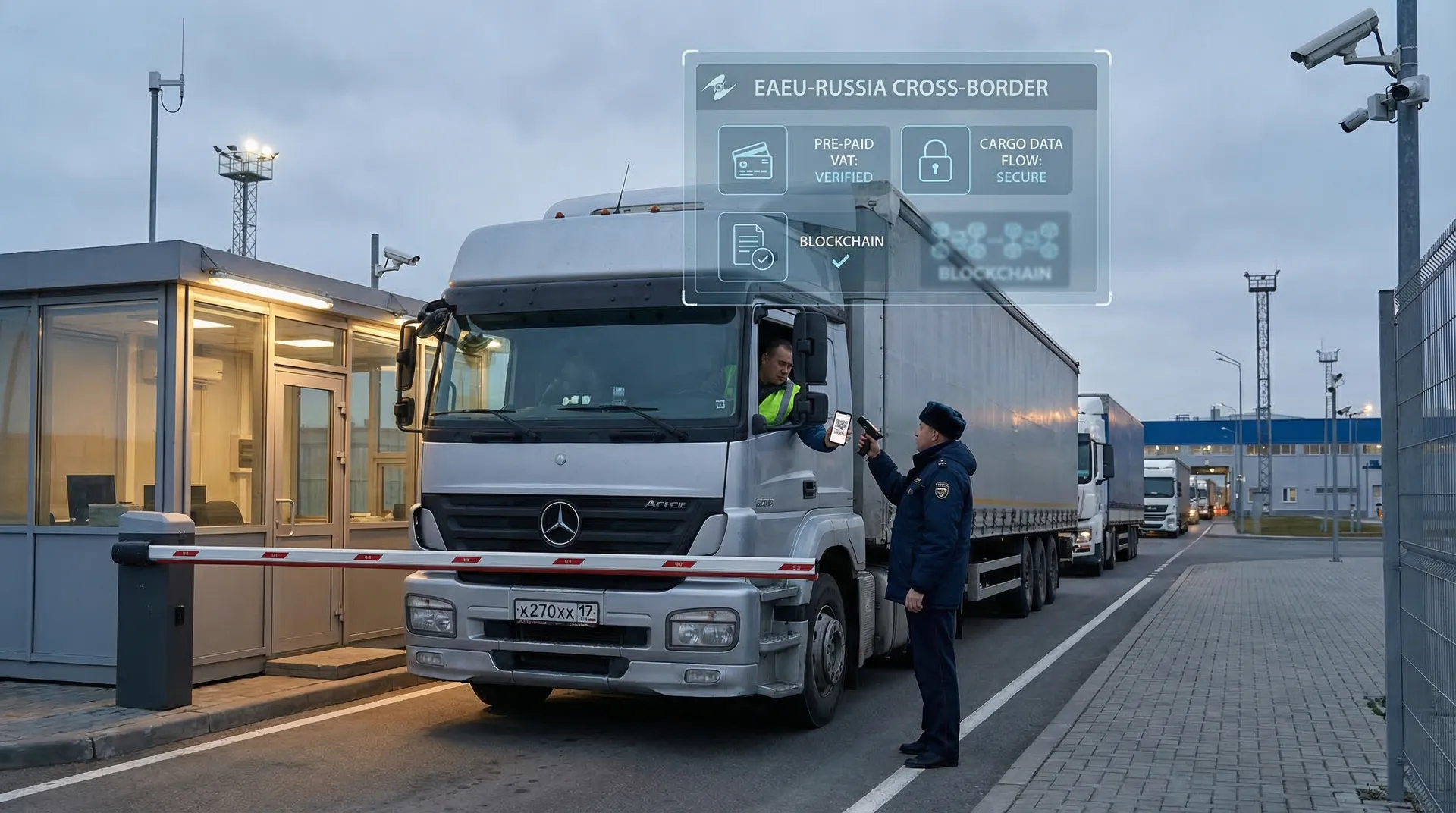
The Ministry of Finance has updated the procedure for "dispatching" electronic declarations for goods: order No. 19h dated March 2, 2026 corrects the current regulation No. 45h and changes the logic of distributing the flow of goods between customs posts and electronic declaration centers. The document was registered with the Ministry of Justice on April 3, 2026 and must be applied from May 1, 2026, subject to the deadline after the official publication.
The essence of the reconfiguration is to manage the download. The declaration distribution algorithm is based on the estimated burden on the inspector and directs the data analysis Department to the CED where the indicator is lower. For businesses, this means fewer chances to get into the "bottleneck" due to the local overload of a particular center, when everything is ready for the participant of foreign economic activity, and the queue for registration is growing due to the peak influx.
At the same time, the Ministry of Finance retains the principle of technological and organizational applicability. The distribution works when the post has the opportunity to register the data and perform control in normal mode, and if there is a failure, it should be short. The second filter is the working hours of a particular customs post: the system should not send declarations to places where reception and processing are not currently underway. These conditions are necessary so that automation does not turn into ping-pong between the centers and does not cause unnecessary delays at the time of submission.
A separate important point for practice is that the order clarifies how declarations are distributed according to individual declaration scenarios. For example, the procedure is fixed for cases of release of goods before filing a customs declaration under Article 120 of the EAEU Labor Code: the declaration is sent to the CED where the application for such release was previously submitted.
The rules for processing procedures have also been clarified, when the customs declaration authority is indicated in the processing permits.
What does this change for the participants of foreign economic activity on earth:
- Planning for the submission of data becomes more "floating" across the geography of the CED, therefore, the value of clean data in graphs, correct product codes and pre-prepared packages of documents for risk categories increases.
- It is important to check the settings at the broker and in the EDI circuit: registration notifications and control requests may come from another CED, and the approval process with the shipper or warehouse must withstand such routing.
- During peak periods, logistics benefits from a more even distribution, because there is less dependence on one overloaded center and it is easier to maintain a schedule of shipments from warehouses and terminals.