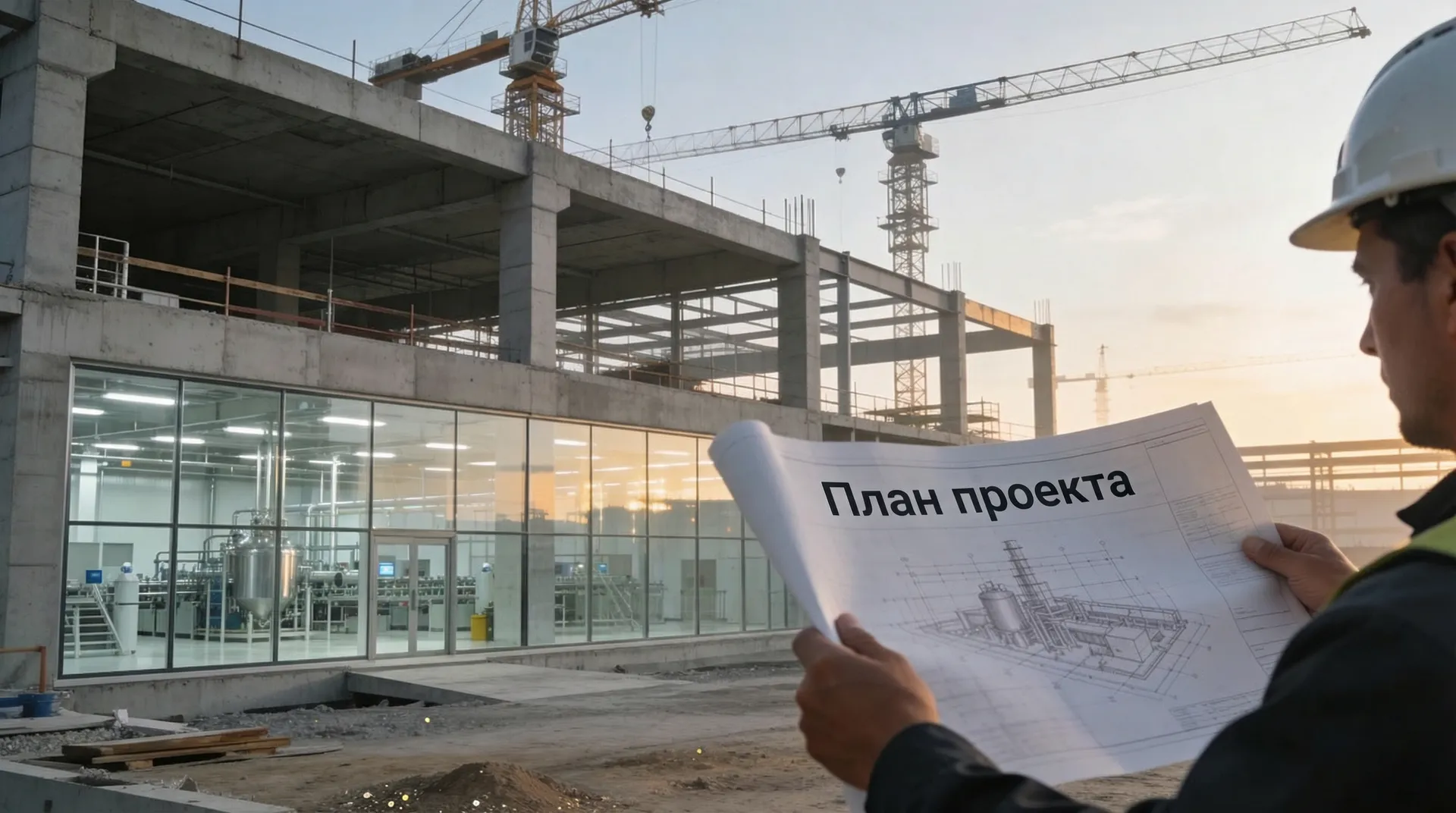
The essence of the initiative is to accelerate import substitution in the pharmaceutical industry through the construction and expansion of production facilities: the total investment is 173 billion tenge, and the production portfolio is stated as the localization of 356 names of medicines, including socially significant ones. The geography of the projects is distributed in such a way as to link to already established industrial and logistics hubs: two enterprises in Almaty, one each in Almaty and Turkestan regions.
The nomenclature is an indicator of where the government and investors are aiming: drugs for the treatment of oncology and diabetes, immunobiological and antiviral drugs, antibiotics, painkillers and anti-inflammatory, antianemic and antipruritic drugs. For the market, this means an attempt to close the most sensitive categories, where dependence on imports is traditionally high, and supply disruptions are hitting patients and budgets the hardest.
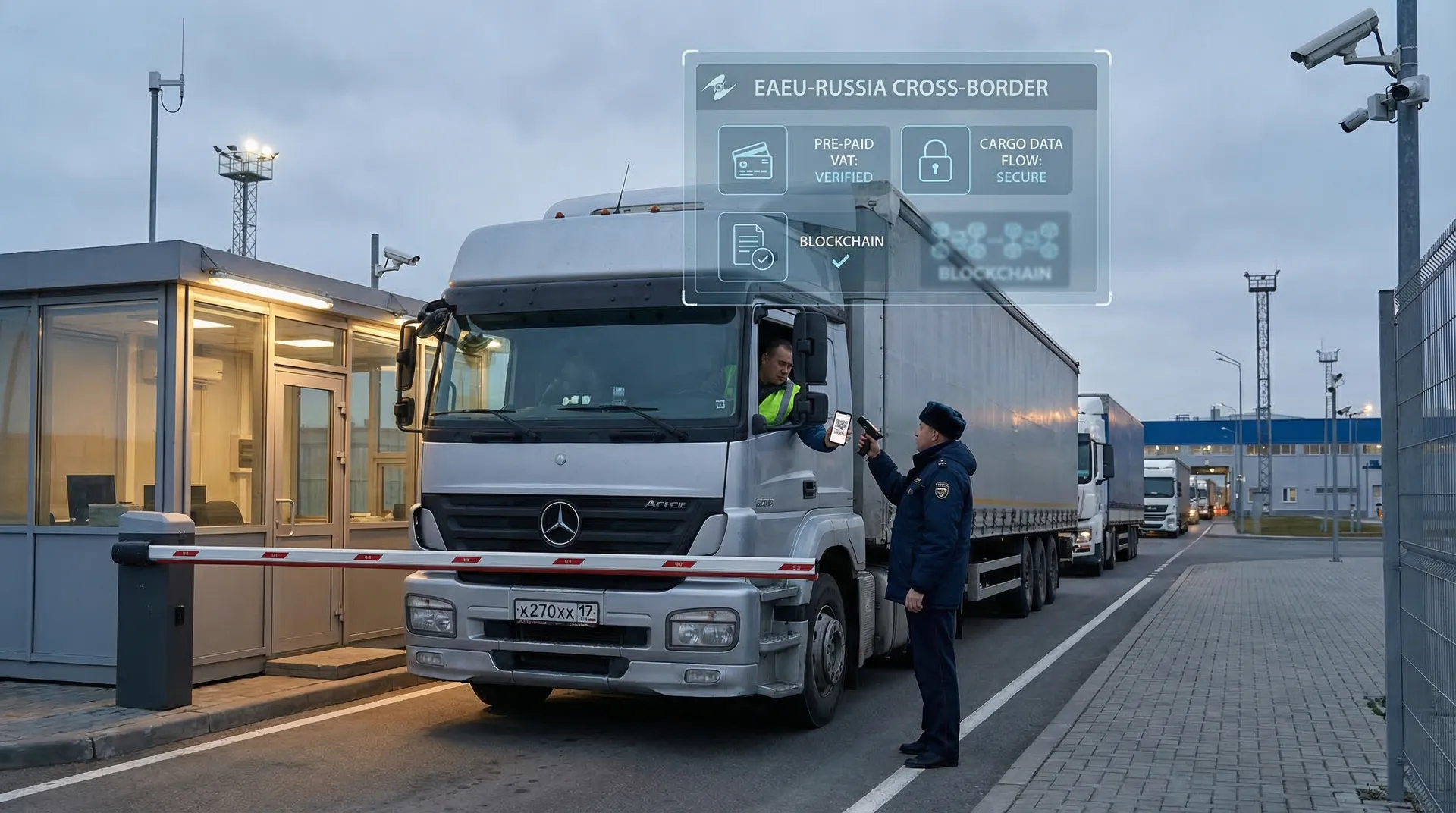
From the point of view of foreign economic activity and logistics, the construction of factories is only the first floor of the project. The second is raw materials and components. Even with the growth of local production, Kazakhstan will have to build stable chains of APIs (active pharmaceutical substances), excipients, packaging, laboratory reagents and equipment. In practice, a significant proportion of such supplies in the region are usually tied to imports from Asia and Europe, so those producers who provide in advance will benefit.:
- diversification of suppliers of substances;
- clear delivery dates and insurance stocks;
- cold chain and quality control during transportation of sensitive drugs;
- a fast customs loop for raw materials and critical equipment.
The third floor is the export potential. If the declared volumes and lines are confirmed by certification and stable quality, Kazakhstan will be able not only to reduce imports, but also to increase supplies to neighboring markets of Central Asia and the EAEU. GMP compliance, transparent serial traceability, and predictable logistics to distributors and government shipments are critical for this.
Separately, it is worth noting the management framework: projects are designed as investment agreements with the state, which usually means increased attention to deadlines, localization KPIs and the social significance of the product line. This is a signal for businesses: pharmaceutical production is becoming not just an industry, but an element of economic security, which means that an ecosystem (warehouses, certification, contract logistics, laboratory infrastructure) will grow around it.