Russia accelerates the introduction of AI: automation of public administration and business is reaching a new level
The rhetoric about "AI everywhere" in Russia has ceased to be just a slogan: in late 2025 and early 2026, the agenda is consolidated in the form of specific initiatives, where the state acts as the main customer of digital transformation. This is an important detail for the foreign economic activity and logistics market: when the public sector changes first, then the requirements for business processes of companies that work with documents, reports, licensing regimes and controls inevitably change.
The logic here is simple: large—scale implementations begin where the state has the scale, data and the effect of "removing routine" - in departments, state corporations and infrastructure monopolies. Then the cascade of changes reaches contractors and counterparties: carriers, forwarders, warehouse operators, participants in foreign trade chains, banks and insurance companies.
A separate signal to the market is the plans for experiments with generative AI in public administration. In such modes, scenarios are usually tested that quickly produce results: preparation of drafts of documents, classification of appeals, tips for employees, standard control, reconciliation and search for contradictions in reporting. For foreign economic activity, this means an increase in expectations for data quality and reaction speed: if documents start to be processed faster on the "other side", business weaknesses — chaos in the primary, disparate registries, manual reconciliations, dependence on individual specialists — become especially noticeable.
At the same time, government pilots usually go along with the safety framework: somewhere it is explicitly stated that AI should not be allowed near sensitive areas and critical decisions. For participants in foreign trade, this highlights the main practical conclusion: AI will have to be implemented not "instead of control", but "inside control" — with logging of actions, verifiability, access management and clear responsibility.
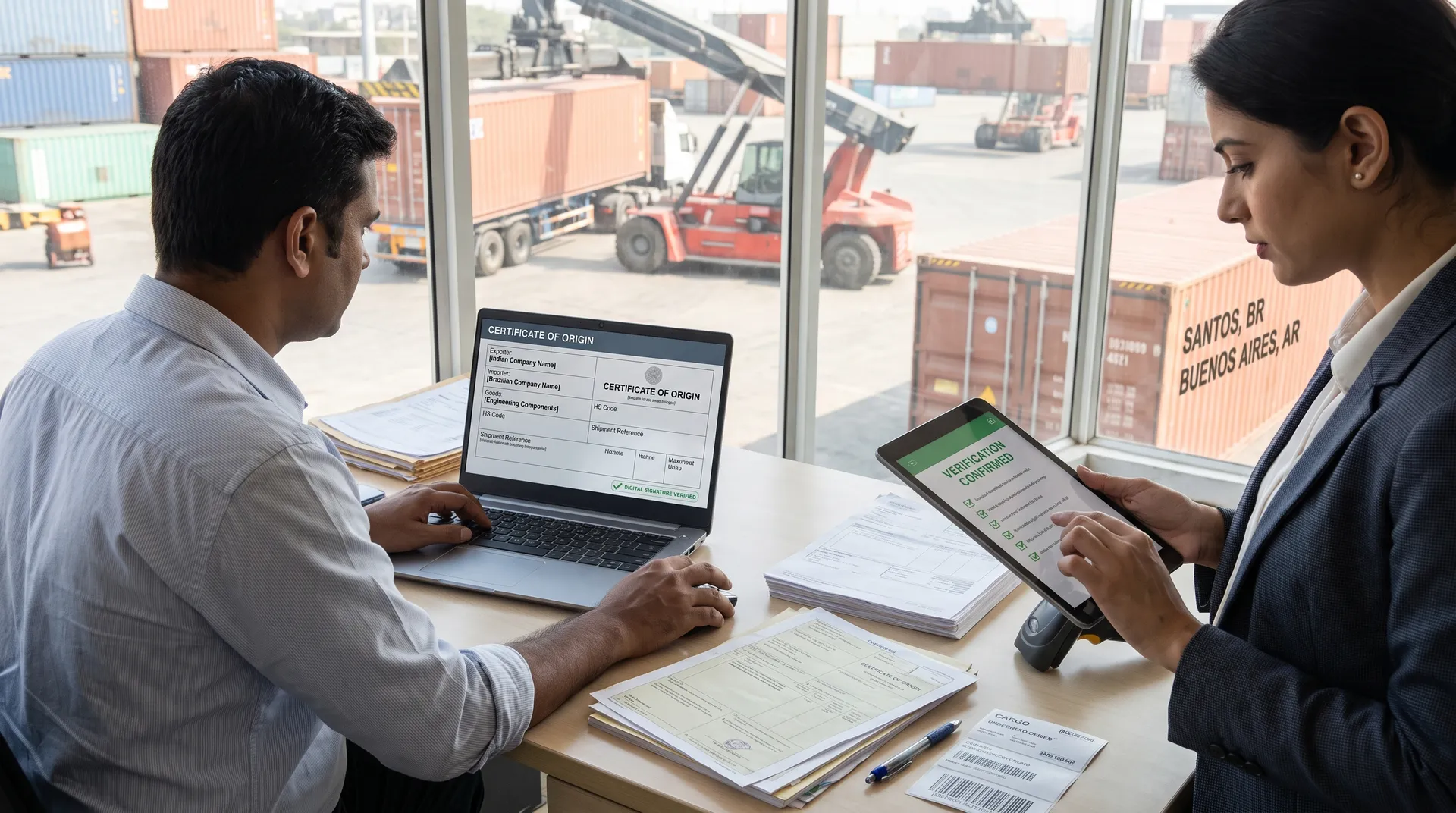
In logistics and foreign economic activity, the closest applied effect of AI is not "robots in warehouses" in the first place, but automation of document management and compliance.:
- intelligent verification of invoices, packing lists, specifications and contracts for errors and discrepancies;
- speeding up the preparation of standard letters, explanations, statements, and responses to inquiries;
- risk scoring of counterparties and routes, monitoring of sanctions and regulatory restrictions;
- forecasting bottlenecks in the supply chain based on internal company data (with a caveat: forecasts should be verifiable, not "model magic").
In practice, "where attention goes, money flows there. Where the money flows, there is development." In 2026, attention is focused on AI, which means budgets will go into data, integration, and security. Those who work in foreign economic activity and logistics will start by tidying up reference books, supply statuses, and a single archive of documents and regulations, and turn AI into a competitive advantage faster. The rest will have to catch up with the new standards of speed and quality — when automation becomes the norm and manual labor begins to be perceived as a risk.