The legal protection is designed according to eight classes of ICTs, which cover key areas for the e-commerce ecosystem: online commerce, financial services, digital and entertainment services. The registration period is set until September 19, 2034.
It is important to read the signal correctly: trademark registration is not an announcement of a "return", but a legal consolidation of the brand. For international platforms, this is a standard asset protection strategy in a jurisdiction, even if operating activities are limited. After 2022, the Russian market has become more complex in terms of payments and cross-border logistics, but at the same time, the demand for purchase/resale and parallel supply chains have not disappeared. In such an environment, the brand is particularly vulnerable: the risks of counterfeiting, "gray" storefronts and attempts to register similar designations are growing. Registration reduces these risks and simplifies further actions to protect rights.
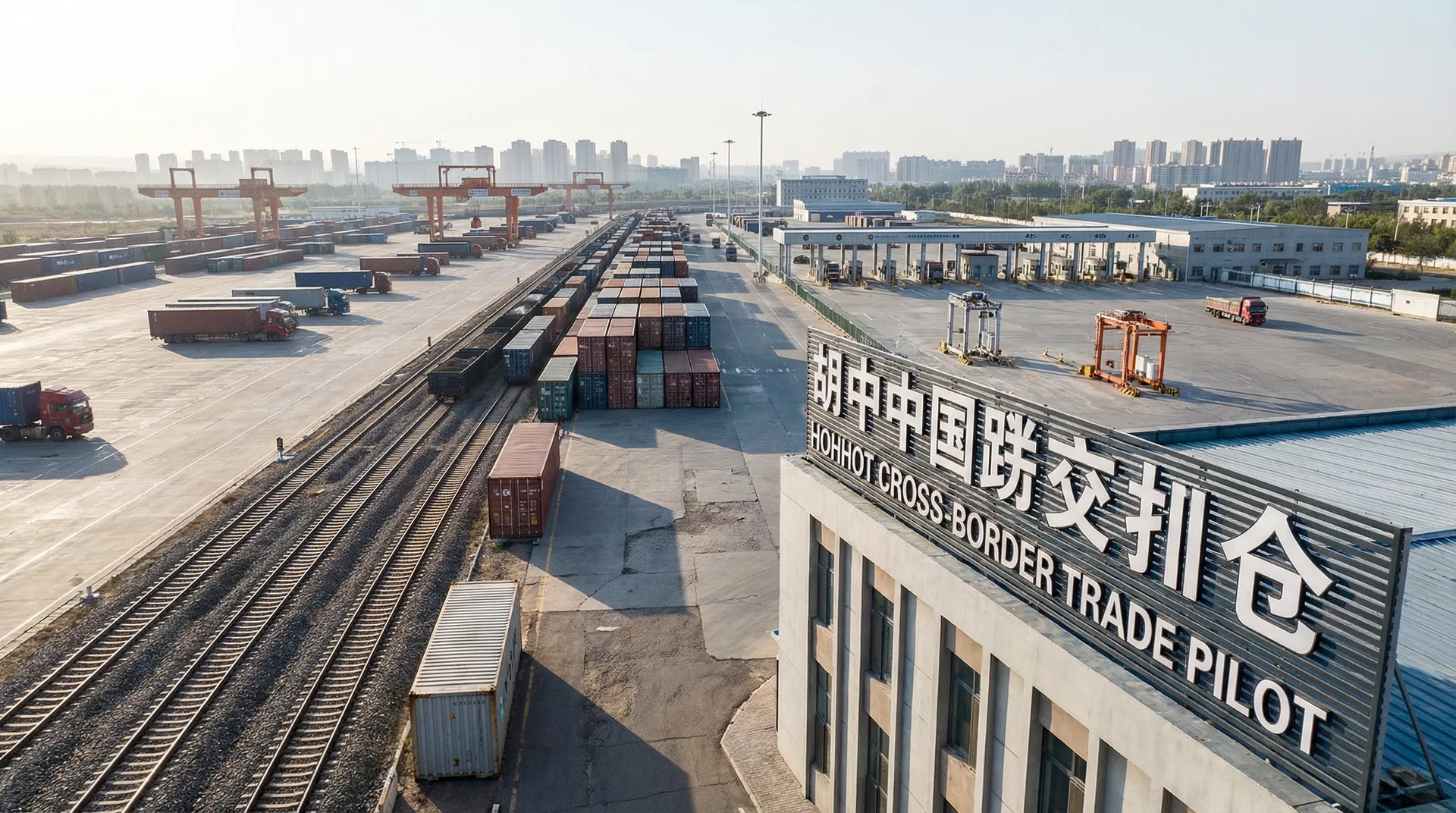
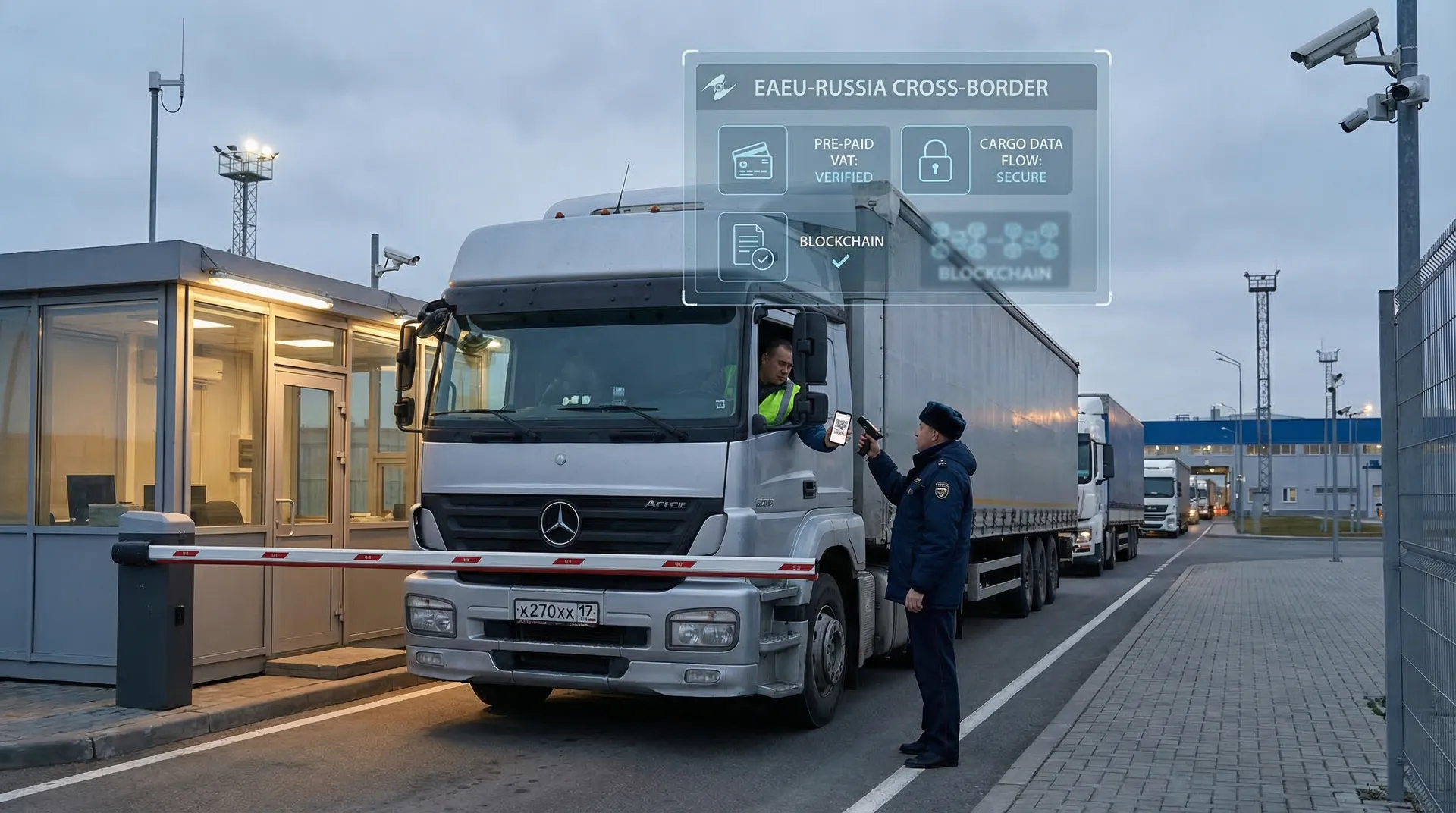
A separate layer is foreign economic activity and logistics. Once a brand has a stable legal framework, it is easier for it to build relationships with partners: from local services (support, fulfillment, logistics contractors) to financial and compliance tools. But the key constraint remains not trademarks, but the settlement infrastructure and the sanctions-payment reality. Therefore, even if there is legal protection, a "restart" is possible only if two tasks are solved: a clear payment contour for buyers/sellers and a working scheme for cross-border delivery.
Against this background, registration looks like an "option for the future": the company fixes the right to the brand in order not to start from scratch if conditions change. At the same time, the very fact that this is called the first noticeable action in the Russian legal field after the suspension of transactions in March 2022 makes the news important for the market: legal steps can precede any operational ones, but they themselves do not promise anything.
A practical conclusion for sellers and importers: it is worth focusing not on "signs", but on secondary indicators — payment integrations, changes in delivery rules, localization of support, official conditions for sellers. Registration is about protecting the brand and preparing a foothold, not the "start" button.