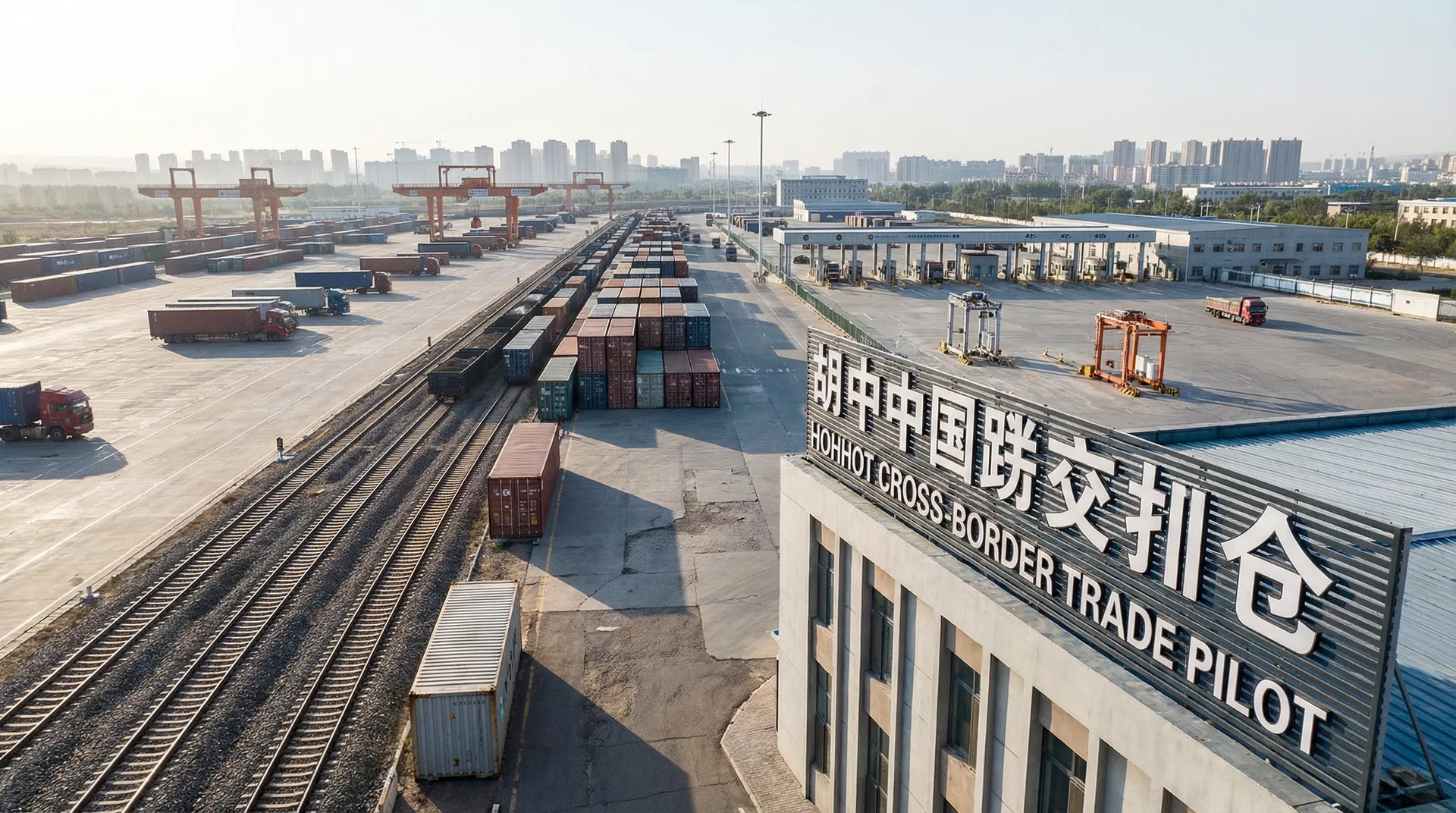
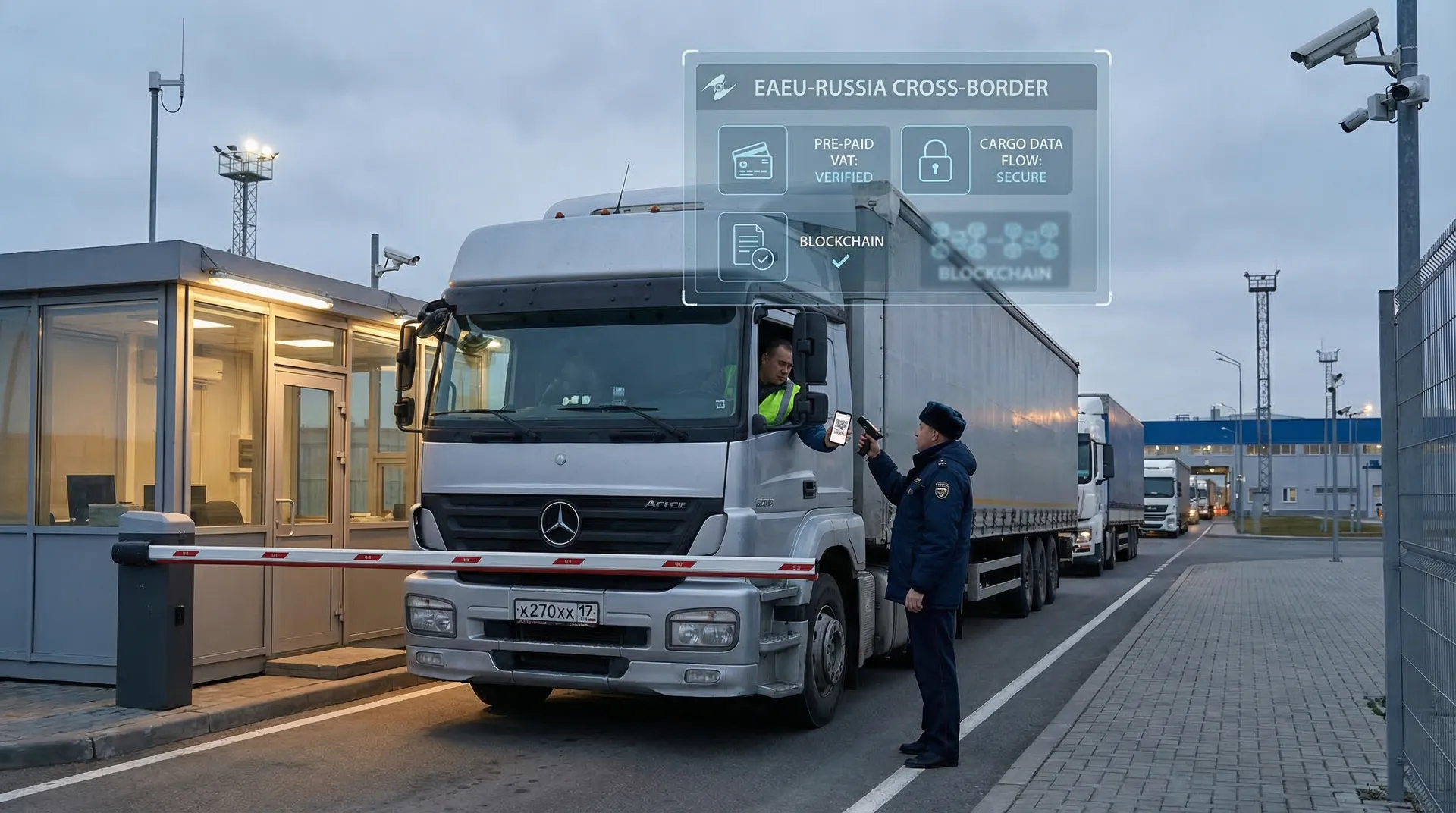
The New Year's Eve period traditionally becomes the busiest stage of the year for retail and logistics. While for most customers holidays are associated with relaxation and gifts, for retail it is a time of round—the-clock work and maximum load on the entire supply chain - from warehouses to couriers.
According to Avito Services, demand for warehouse logistics and fulfillment is steadily increasing by about 20% by the end of the year, while preparations for the peak season begin well before December — already in the summer months. This approach allows companies to reallocate resources in advance and reduce the risks of disruptions during periods of high demand.
Experts note that the myth of the "main December discounts" still persists in the popular consciousness. However, the real situation has changed: the traditional sales cycle has shifted and turned into a long marketing marathon, starting with November 11.11 and Black Friday promotions and continuing until the end of the year. Retailers are deliberately stretching demand to avoid a sudden logistics overload in the last weeks of December.
For buyers, this means the need for a more informed approach to shopping planning. The use of price aggregator services helps to track the dynamics of the cost of goods, and a sharp rise in prices in early December often indicates not a shortage, but a subsequent "decrease" under the guise of a discount. Closed sales and subscriptions to brand newsletters provide access to early offers and personal promotions, while pre-order and availability notification tools help avoid shortages of popular products.
On the business side, the key task is to build sustainable logistics against the background of the seasonal peak. Companies are strengthening cooperation with fulfillment operators, increasing inventory and redistributing goods to regions in advance in order to shorten delivery times and reduce the burden on transport in the last days before the holidays.
"Preparing for the New Year is a systematic process that begins long before December. During this period, the business is actively strengthening logistics and warehouse facilities to ensure maximum delivery speed," industry representatives say.
Despite the measures taken, December remains a time of increased risks. Limited resources, weather conditions, and staffing shortages in courier delivery lead to an increase in the time and cost of the last mile. As a result, those retailers who have managed to build flexible supply chains and adapt logistics processes in advance to seasonal demand benefit.