In recent weeks, customers working with the Chinese 1688 wholesale platform have increasingly encountered a situation where the total amount to be paid is higher than the price indicated on the product card. This caused a wave of discussions among marketplace sellers and importers focused on purchasing directly from factories.
As representatives of logistics and procurement services explain, the reason lies not in the actions of the suppliers themselves, but in changes in tax regulation in China.
For example, the team of one of these services, JOYCITY, notes:
"On December 25, 2024, China adopted a new law on value added tax (VAT), which entered into force on January 1, 2026. The 1688 platform (like other Chinese marketplaces) is officially required to withhold and transfer 1-5% sales tax, a requirement of the Chinese authorities for transparency in reporting. And now this tax is added to the price."
Thus, the marketplace has become a tax agent that automatically includes VAT in the calculation when paying for an order. Previously, the tax burden often remained on the side of factories or was processed through alternative schemes, which made it possible to display a lower price on the showcase.
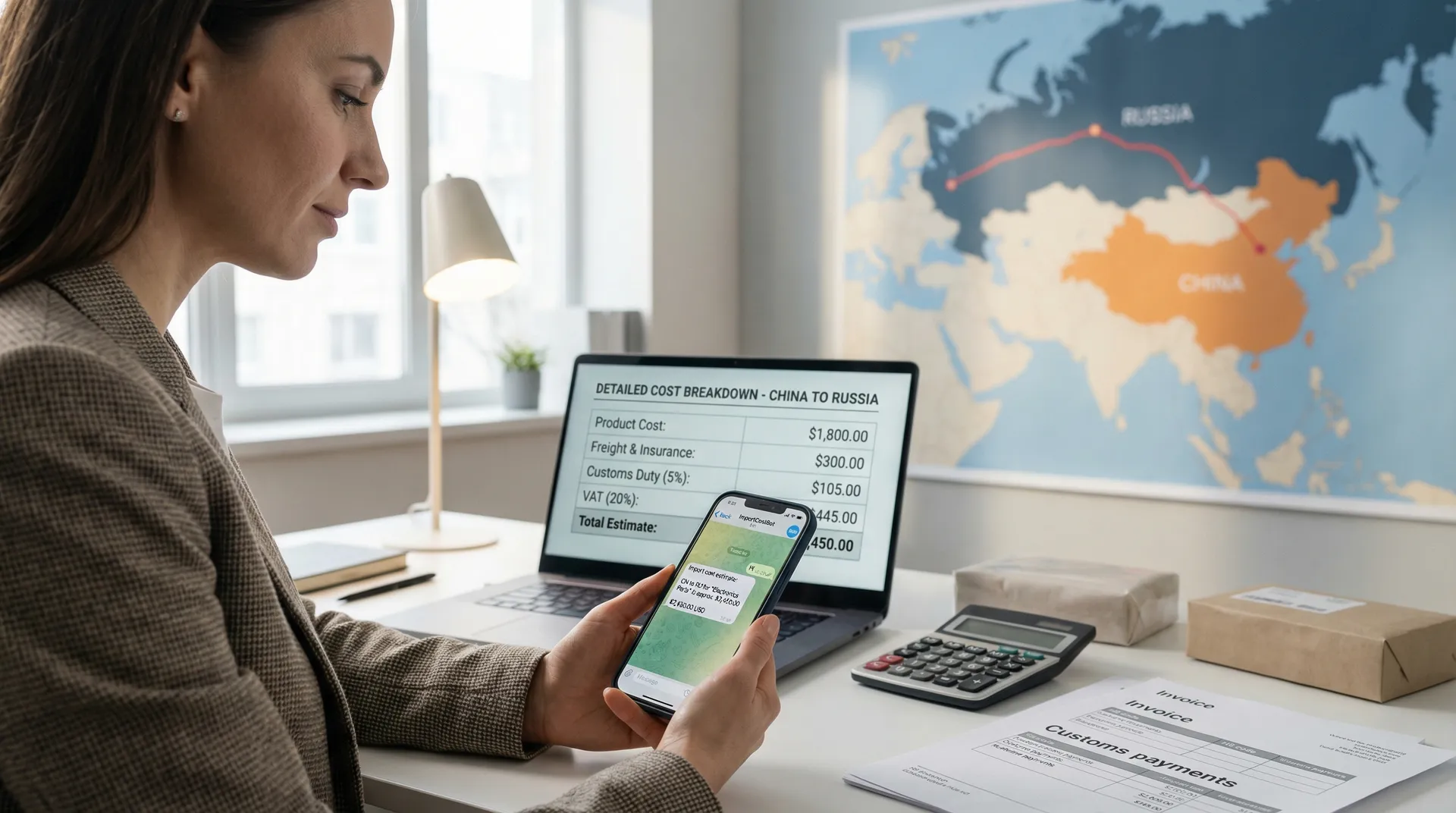
For buyers, this means changing the usual cost structure.
As emphasized in JOYCITY:
"first you see one, then an increased price — the same tax that becomes your additional expenses."
This is especially sensitive for sellers with thin margins operating in highly competitive niches. An additional 1-5% at the purchase stage can directly affect the final price of the product on marketplaces and reduce profitability.
Against the background of the new rules, some factories began to look for alternative ways to work with customers. We are talking about offers to pay for the goods directly, bypassing the site, in order to avoid withholding tax from 1688.
However, experts warn that this practice carries significant risks.
The team's explanation highlights:
"You lose the main advantage of the 1688 service — customer protection and a refund guarantee in case of non-delivery, defective or non-conforming goods. If the payment is made directly, you are left one-on-one with the supplier, and it will be extremely difficult to collect "protection".
In fact, the buyer leaves the legal framework of the platform and loses the arbitration mechanism, which is often the only protection tool in international procurement. In conditions of cross-border trade and the language barrier, it becomes almost impossible to return money in case of a problematic delivery.
For the foreign economic activity market, this change signals China's transition to a more transparent model of e-commerce and tax control. The authorities are strengthening control over domestic sales, even if the end customer is located outside the country, and marketplaces are becoming part of the official fiscal infrastructure.
In the long term, this may lead to a levelling of competition conditions between factories, a reduction in grey schemes and more stable pricing. However, in the short term, market participants will have to adapt to new costs and revise financial purchasing models.
Experts advise taking the tax into account immediately when calculating the unit economy, including it in the cost and not going to questionable schemes of direct transfers. Tax savings can result in the loss of the entire lot and financial losses that are many times higher than the initial price difference.