The main news: Shushary has launched 10 transit destinations.
In an official statement, the platform recorded the launch of 10 transit destinations from March 2: Kazan, Volgograd, Krasnodar (Tikhoretskaya), Vladimir (Vorshinskoye), Penza, Ryazan (Tyushevskoye), Vladivostok, Kotovsk, Nevinnomyssk, Tula.
For the seller, this means increased manageability of delivery by region. Manageability quickly affects revenue through its presence in local clusters. The product becomes available to the customer in the desired geography more often, and the card receives more stable orders with the same advertising settings. Transit management helps to keep a weekly replenishment plan and reduces the proportion of days without SKU leaders.
Transits are of particular importance for categories with seasonal spikes and for the assortment, where the customer expects fast delivery. A simple metric works here: a day without being in the right area turns into a loss of position and an increase in indirect costs for returning traffic through advertising. Therefore, the task for the next week looks practical: choose 20-30 SKUs that provide the main revenue, and consolidate the plan of shipments to "Shushary" for new routes. Then set the KPIs for "percentage of days without availability" and "turnover" for these SKUs and watch the dynamics.
News 2: Product cards and replacement articles have become more convenient.
WB added a convenient login to the service directly from card editing.
How to create: the "Products" section, the card, editing, the "Replacement articles" block, the "Create" button.
The tool is useful when the product's batch, packaging, and configuration are changing, and accounting discipline is important to the business. For the seller's team, this is an occasion to consolidate a single regulation: any replacements are processed through replacement articles with a short checklist of characteristics, barcodes and packaging. The regulations reduce the risk of chaos in the SKU tree and speed up the work of the content team.
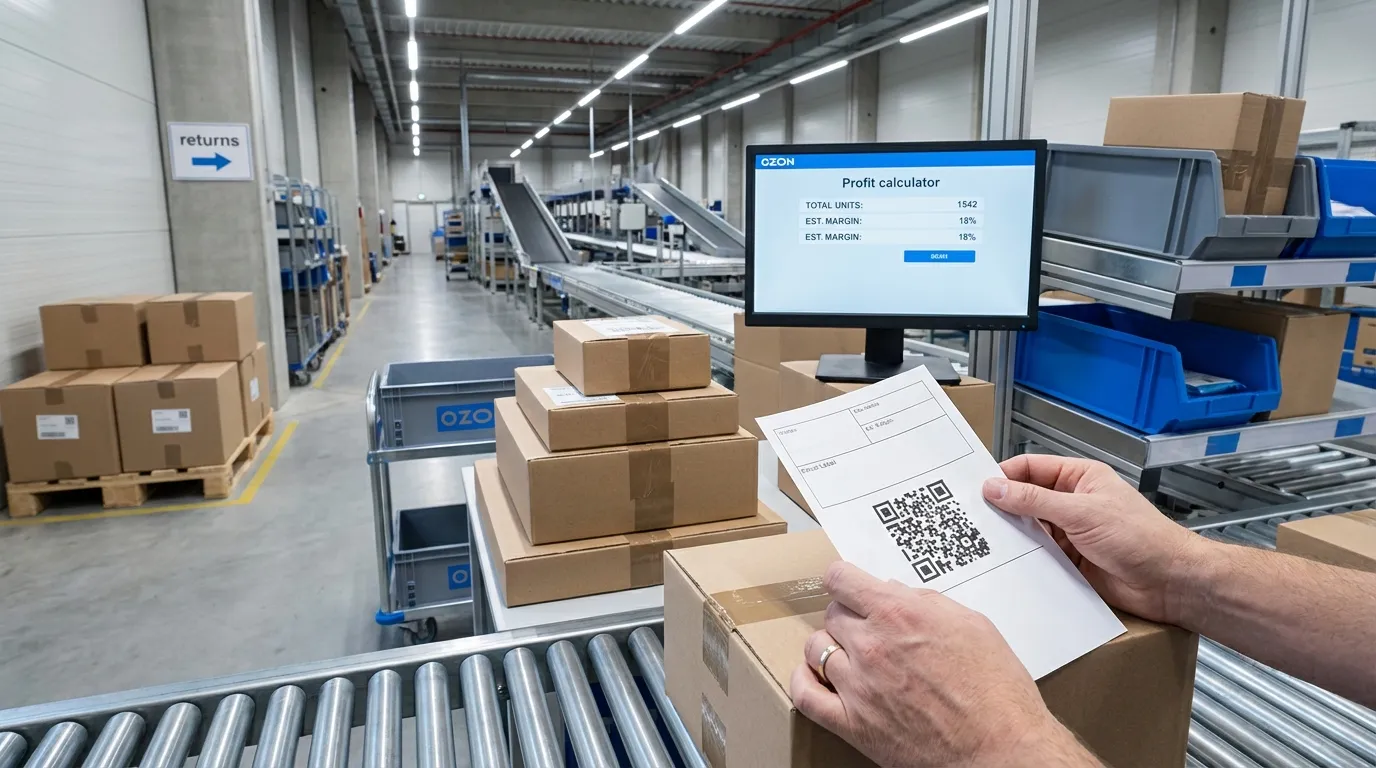
News 3: a calculation of the delivery direction by the seller has appeared in the profit calculator.
WB reported that the testing has been completed and now there is a calculation of the delivery direction by the seller.
The value here is that comparing the DBS, EDBS, and Click&Collect models ceases to be an "eye assessment" and becomes a calculation based on product parameters. Accounting for "other expenses" in these models turns into a mandatory block of management accounting, where the seller records packaging, acquiring, fulfillment, courier costs and service payments.
The practical step for 60 minutes looks like this: take 10 SKUs with a minimum margin, run them through new models, assemble a list of positions with steady profits and consolidate the "category — acceptable sales model" matrix. The matrix helps you make faster decisions on geographic expansion, advertising restrictions, and purchase volume. In 2026, it is the discipline of availability, SKU replacement, and unit economics that gives the seller an advantage on the marketplace.