Wildberries continues to change the rules of the site on a point-by-point basis, and during the period from March 23 to March 29, updates affected several sensitive areas for sellers at once. We are talking about tariffs, logistics, document management and packaging — factors that directly affect margins.
The first change concerns the "Tariff Constructor". The platform has updated a set of options, which changes the cost management capabilities. Even small adjustments in the logic of tariffs are reflected in the cost of logistics, storage and processing. If the settings remain unchanged, the cost increase is recorded after the fact — in the reports.
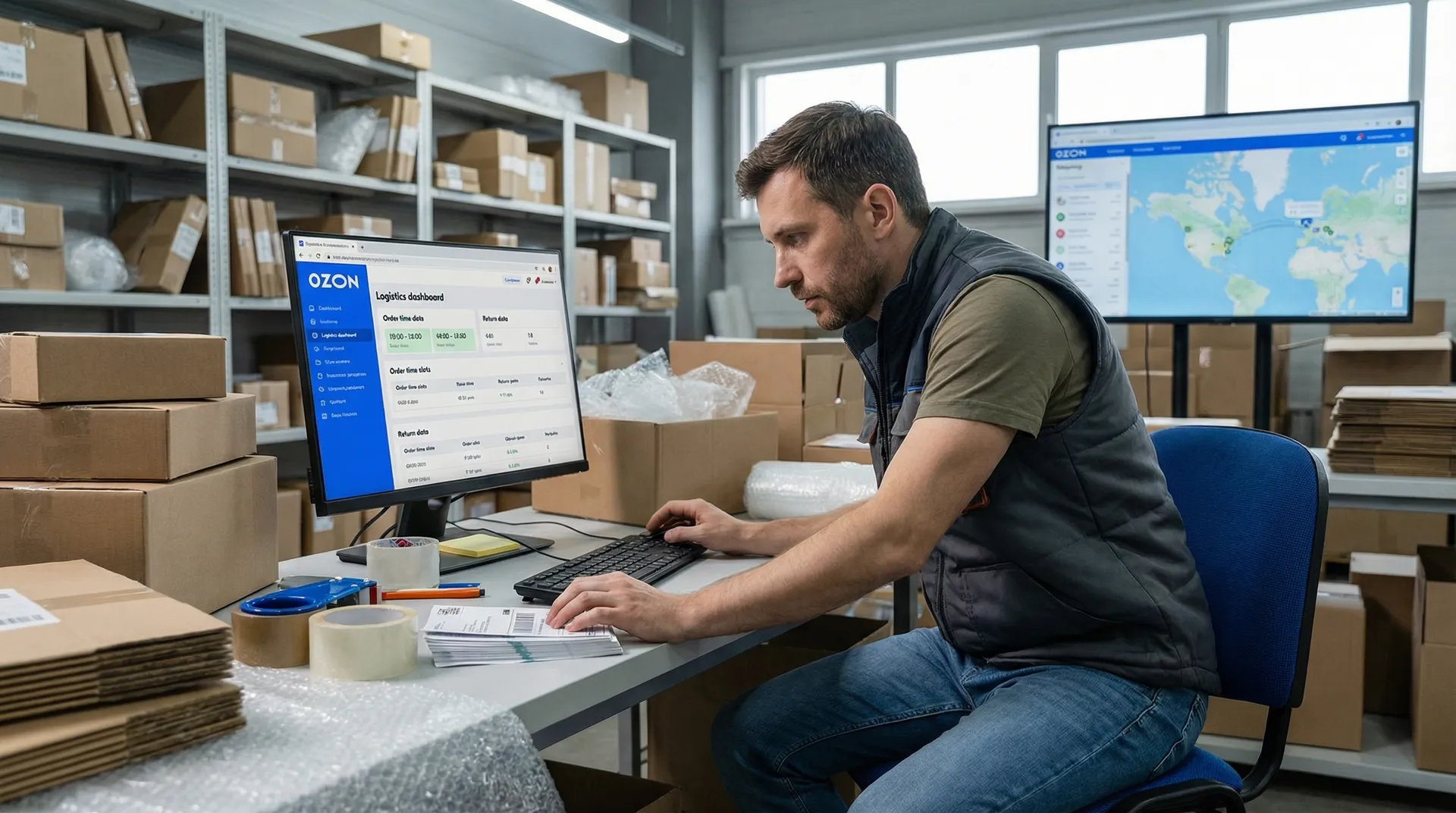
The second important block is the accounting of the "sales distribution index" when calculating logistics. This means that the cost of delivery is now more dependent on the geography of sales and distribution of flows. For sellers, this is a signal to review the actual sales structure by region and compare it with logistical write-offs.
The third update affected documents and the movement of goods. Changes in the instructions strengthen the requirements for operational control. Errors in documentation become a source of hidden problems, such as discrepancies in balances, delays, and additional checks.
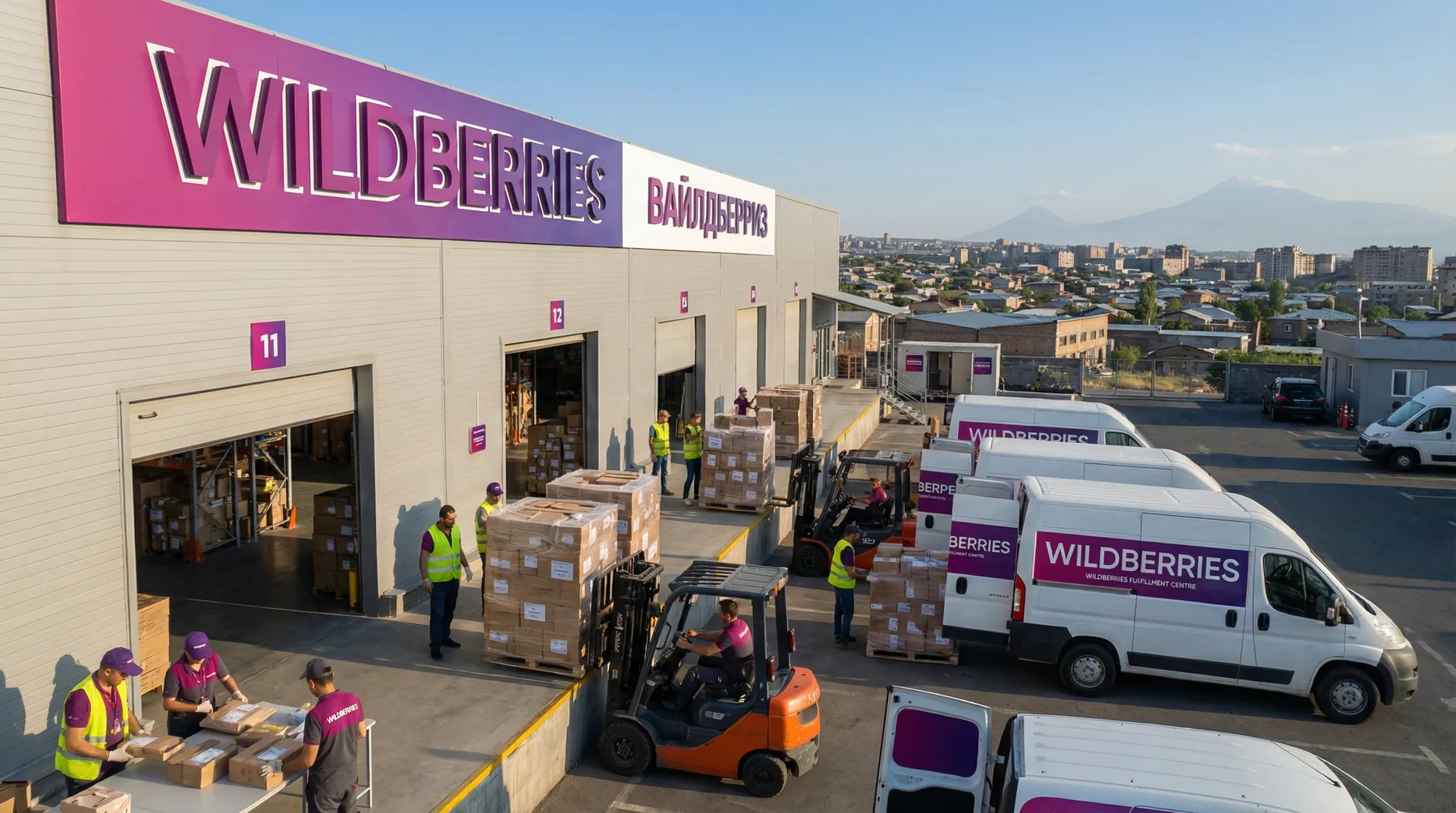
The fourth block is related to packaging and quality control of shipments. Wildberries clarified the rules for sorting and checking packaging, as well as emphasized the consequences of violations. Fines are provided for incorrect packaging, and in some cases a paid check is applied.
This change has a practical effect for everyone who works with volumes. As shipments increase, even minor packaging errors begin to recur and turn into system costs. This is especially noticeable during peak periods, when the load on the warehouse increases and control decreases.
As a result, a new reality is emerging: costs are rising not because of falling sales or changing demand, but because of the accumulation of operational factors — tariffs, logistics, documents, and packaging. For sellers, this means the need for regular audits of all processes that were previously perceived as stable.