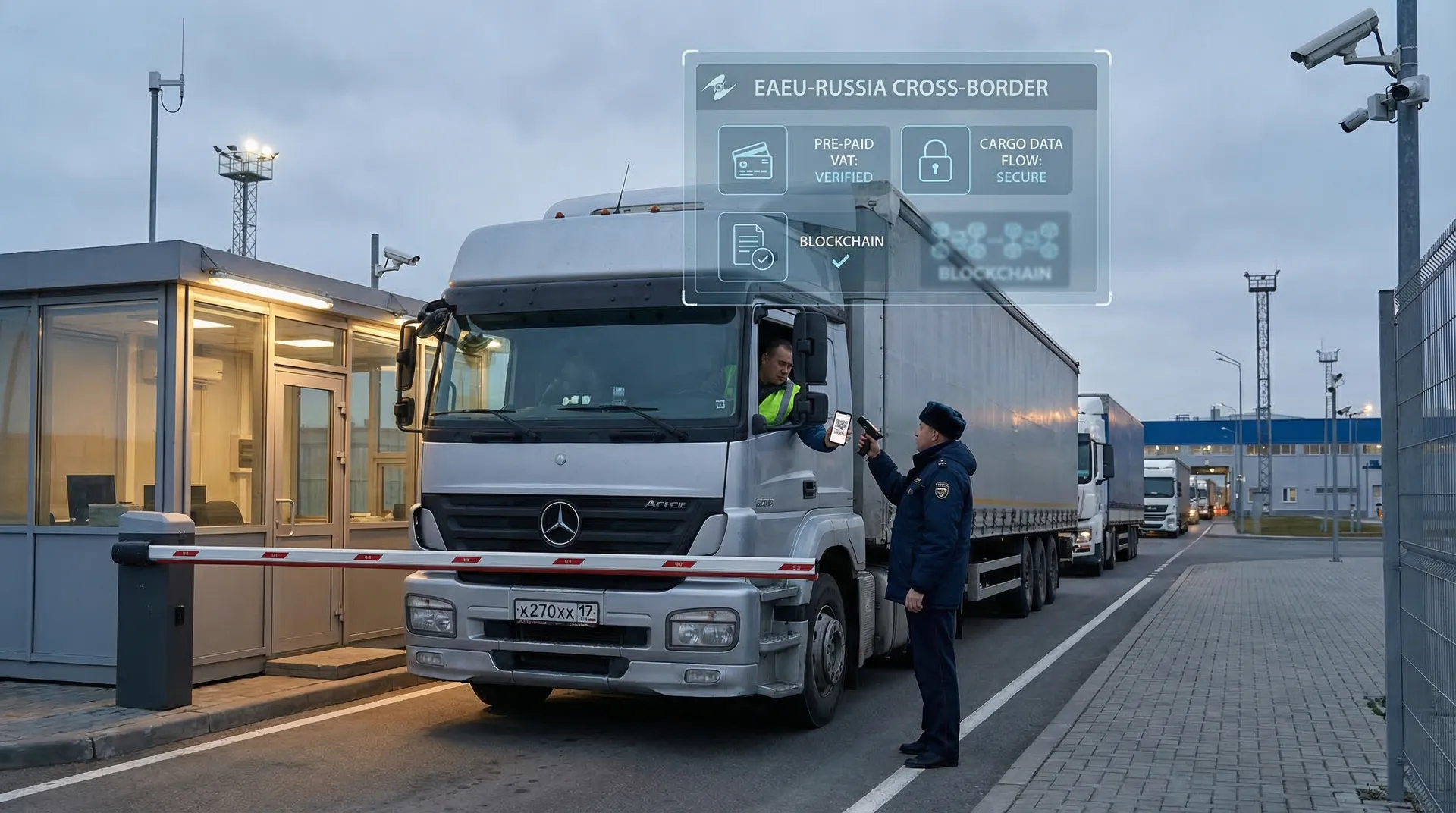
The Russian customs is beginning the most extensive digital restructuring in recent years. The Government of the Russian Federation has appointed AT Consulting, the IT structure of Rosatom, as the sole contractor for all purchases of the Federal Customs Service related to the design, development and implementation of customs software. The deadline is March 15, 2028.
The FCS explained that the project involves a large-scale reengineering of the service's technological processes and is being implemented as part of the agency's development strategy until 2030. As a result, the EAEU should switch to an import-independent infrastructure and receive new digital tools, including solutions based on artificial intelligence. Alta Software
What exactly will the AI do at customs? The first is to analyze declarations in real time and identify anomalies: undervalued prices, inconsistencies in product descriptions, and atypical routes. The second is to predict the load on checkpoints and redistribute flows before queues form. The third is to help inspectors make decisions about the inspection, reducing the human factor.
EAEU 2.0 will allow to form a new intelligent information system connected with internal and external partners. Already, the AI module allows you to recognize 243 product categories — almost a quarter of the entire product range of the EAEU. These include clothing, shoes, fabrics, wood, plants, fruits and vegetables, and meat. SelSup
AT Consulting has been supporting the FCS IT systems since 2023, and has been leading the EAIS since 2025. The appointment of the sole executor is a transition from support to complete restructuring. The contractor will replace parts of the software and infrastructure, develop new components, and modernize existing systems. In parallel, all the equipment will be transferred to domestic developments.
This project has a double meaning for businesses. On the one hand, AI analysis of declarations means the end of schemes that have been working for years due to the human factor: mistakes, inattention, and agreements. The system will detect patterns that cannot be detected manually. On the other hand, automation will speed up issuance for bona fide participants — low-risk declarations will be processed faster without manual verification.
By 2028, the Russian customs will operate on a fundamentally different technological basis. Those who are building long-term supply chains through Russia should include this in their strategy now.