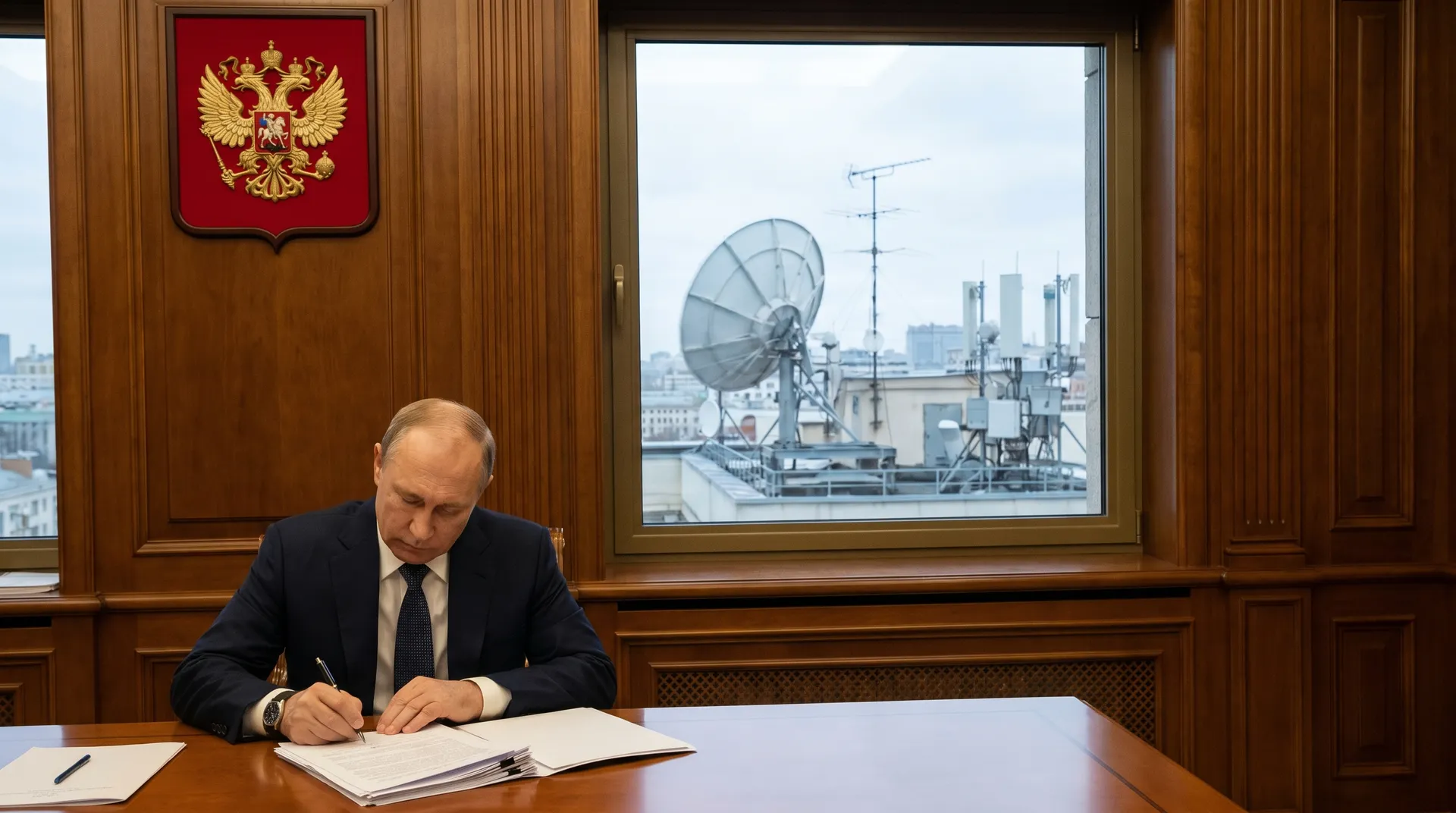
From May 1, 2026, the import of foreign-made satellite equipment to Russia is possible only with a special permit. A decree of the Government of the Russian Federation has imposed a direct ban on the import of electronic devices designed to receive and transmit signals from foreign satellites. The limit is valid for six months. The FCS and FSB jointly control the execution.
A wide range of equipment is covered by the decree. These are not only consumer satellite terminals such as Starlink, but also professional dual—use equipment - satellite communication and navigation systems that are used in logistics, transport, agriculture and energy.
The exceptions in the resolution are not spelled out publicly, however, within the meaning of the regulation, it is assumed that organizations legally operating with licensed satellite services and having the appropriate permits will be able to continue importing in accordance with the established procedure.
For businesses, the situation requires specific actions. The first is to conduct an inventory of the satellite equipment used and find out whether it falls under the decree. The second is to check the availability of permits for an existing fleet. The third is to suspend any applications for the import of new satellite equipment until the necessary permits are obtained from authorized bodies.
Six months is the horizon after which the government will either extend the restriction, or put it into permanent mode, or lift it. For companies planning to expand satellite infrastructure, this deadline means a pause in procurement and postponement of project deadlines.